Spain warns police and military are being targeted by growing disinformation campaigns
By Farah Mokrani • Published: 14 May 2026 • 20:57 • 4 minutes read
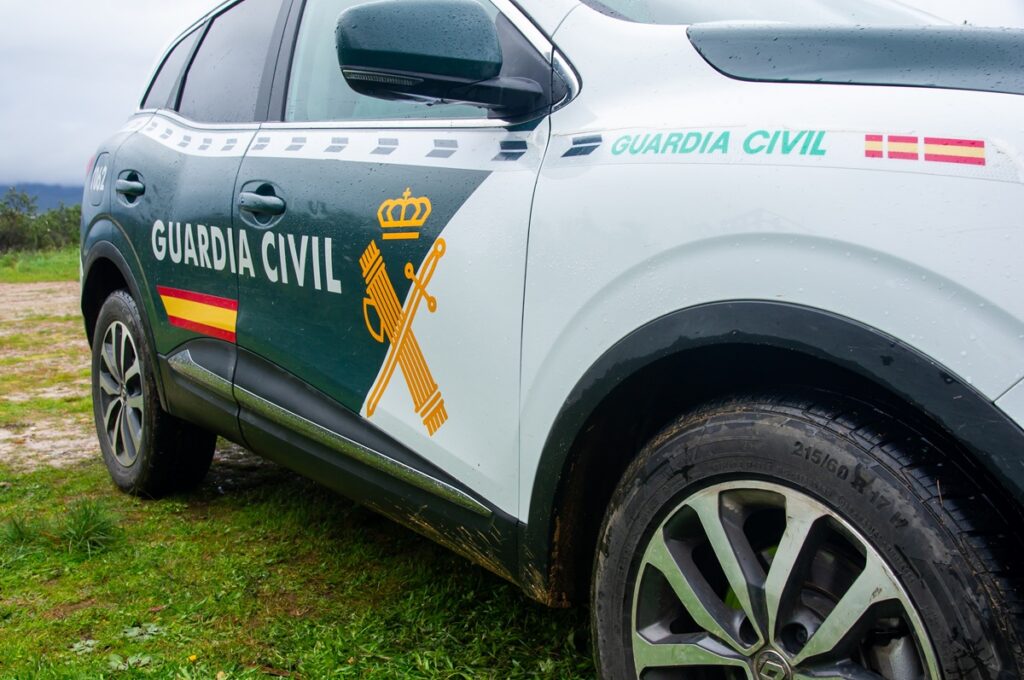
Spain’s National Security Department says police and military forces are increasingly being targeted by online disinformation campaigns. Credit : Ivanb.photo, Shutterstock
Spain’s National Security Department says online disinformation campaigns linked to extremist groups, anti European narratives and pro Russian networks are increasingly trying to influence members of the police, Civil Guard and armed forces. The warning appears in the country’s latest national security report, which says these operations are becoming more sophisticated and are now focused not only on the public, but also on state institutions themselves.
According to the report, some campaigns are attempting to erode institutional neutrality by spreading narratives about insecurity, migration and the supposed ‘moral decline’ of Europe. Spanish authorities say the aim is to push parts of society, including public servants, towards more radical and destabilising ideas while weakening trust in democratic institutions.
The report also warns that artificial intelligence and newer social media platforms are helping false or manipulated information spread faster and appear more convincing than before.
Officials believe the threat has been steadily growing since 2023 and could continue intensifying over the next five years.
Spanish authorities say online manipulation is becoming more aggressive
For years, concerns around fake news largely focused on misleading headlines, conspiracy theories or political propaganda aimed at the general public.
But Spain’s latest security assessment suggests the situation has evolved.
Authorities now say some online campaigns are trying to influence the people responsible for maintaining public order and national security themselves.
The report points to narratives aimed at police officers, Civil Guard members and military personnel that present Europe as weak, socially divided or increasingly unsafe.
According to officials, these messages are often carefully framed around emotional topics such as migration, crime, national identity and distrust of institutions.
Security experts say the concern is not simply that false information exists online. The bigger issue is how coordinated campaigns can slowly shape perceptions over time, especially when repeated constantly across different platforms.
The report says these narratives often attempt to create the illusion that extreme or marginal views are widely accepted by society when that is not necessarily the case.
Spanish authorities believe this tactic is designed to deepen division and encourage mistrust inside institutions as well as among the wider public.
The armed forces have also reportedly been targeted through campaigns questioning their operational effectiveness and the legitimacy of overseas military missions.
According to the report, some narratives try to damage public confidence in Spain’s military role abroad by portraying operations as ineffective or politically manipulated.
Russia remains a major concern for Spain’s security services
Spain’s National Security Department identifies Russia as one of the main actors continuing to develop disinformation campaigns targeting Spain and other European countries.
The report says pro Kremlin networks have adapted quickly to changing technology and social media habits.
Officials claim these operations increasingly use platforms such as TikTok and Discord, which until recently were seen as less central in political disinformation campaigns. Artificial intelligence is also becoming part of the problem.
According to the report, AI tools are being used to produce larger volumes of misleading content and make fabricated information appear more believable. That includes manipulated images, videos and coordinated narratives designed to look authentic.
Spanish authorities say these campaigns often intensify during politically sensitive periods such as elections, geopolitical crises or major emergencies.
The report points to the war in Ukraine, migration tensions and energy issues as recurring themes frequently used to generate fear, anger or distrust online.
There is also concern over increasingly hostile rhetoric targeting LGBTQ+ communities and the rise of strongly anti European narratives during recent elections in Eastern Europe.
Officials believe many of these campaigns are specifically designed to polarise societies by turning sensitive issues into constant sources of confrontation.
Natural disasters and migration debates are also being exploited
The report says one of the clearest patterns in recent years has been the exploitation of real world crises.
Spanish authorities point to the deadly floods in Valencia, where 229 people died, as an example of how quickly tragedies can become fuel for online conspiracy theories and disinformation.
According to the report, false narratives linked to the disaster attempted to portray Spain as chaotic and incapable of responding effectively to emergencies.
Officials claim some campaigns used the catastrophe to spread distrust towards institutions and amplify political anger online.
The same pattern has reportedly appeared in debates around migration.
The report highlights events in Torre Pacheco, Murcia, during July 2025 as a major example of how online narratives about immigration and insecurity escalated before violence occurred in the real world.
Authorities say there was a surge in online content linking illegal immigration to crime and insecurity before tensions intensified on the ground.
Security experts believe the speed at which inflammatory content spreads online is now creating genuine public security concerns.
Social media algorithms, viral videos and coordinated messaging campaigns can amplify emotional reactions within hours, particularly during moments of crisis or uncertainty.
Spanish officials warn that many users may not realise where this content originates or how organised some influence operations have become.
That is one reason the government now considers disinformation one of the country’s main national security threats.
The concern is no longer only about fake stories appearing online. Authorities say the bigger risk lies in the gradual erosion of trust between citizens, institutions and public servants.
And in a period marked by geopolitical tension, social division and rapid technological change, Spain’s security services believe those risks are becoming increasingly difficult to ignore.
Follow Euro Weekly News on Google News
Get breaking news from Spain, travel updates, and expat stories directly on your Google News feed.
Follow on Google NewsSign up for personalised news
Subscribe to our Euro Weekly News alerts to get the latest stories into your inbox!
By signing up, you will create a Euro Weekly News account if you don't already have one. Review our Privacy Policy for more information about our privacy practices.




Farah Mokrani
Farah is a journalist and content writer with over a decade of experience in both digital and print media. Originally from Tunisia and now based in Spain, she has covered current affairs, investigative reports, and long-form features for a range of international publications. At Euro Weekly News, Farah brings a global perspective to her reporting, contributing news and analysis informed by her editorial background and passion for clear, accurate storytelling.
Comments