Ryanair profit surges to €2.26bn driven by higher ticket prices
By Molly Grace • Published: 18 May 2026 • 18:23 • 3 minutes read
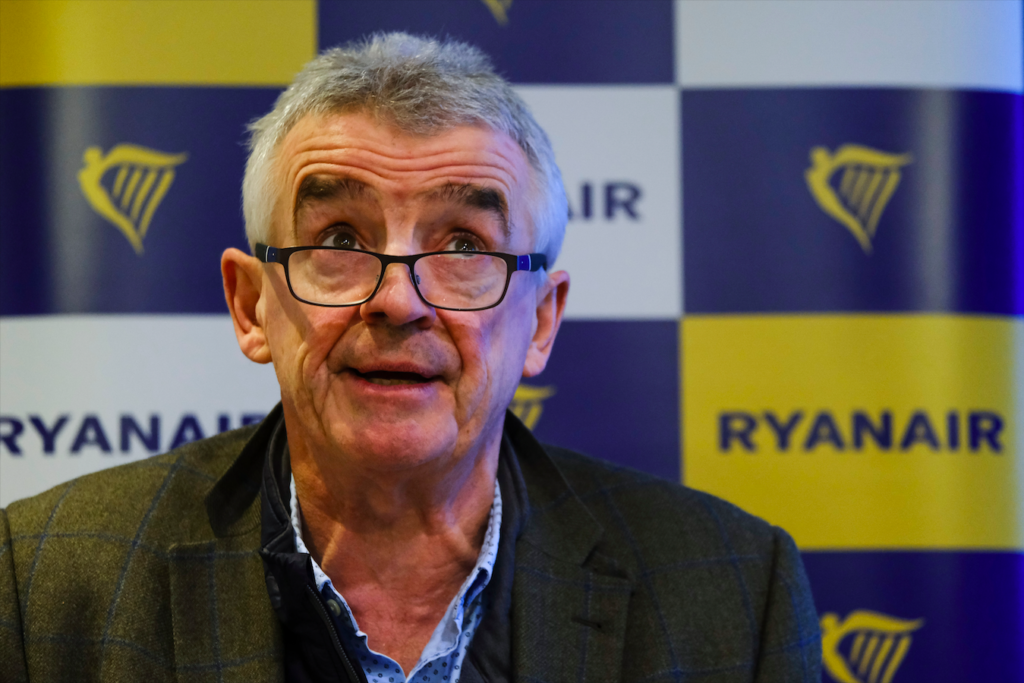
Ryanair’s performance was supported by both its core ticketing business and so-called ancillary revenue. Photo credit: Alexandros Michailidis/Shutterstock
Ryanair has reported a record annual profit of €2.26 billion for its latest financial year, marking the strongest result in the airline’s history. The figure represents an increase of around 40% compared with the previous year and reflects higher ticket prices alongside steady passenger demand across its network The airline said the result was supported by an increase in average fares of around 10% over the year, following a period in which prices had fallen.
Total revenue rose to approximately €15.5 billion, driven by both ticket sales and additional charges for services such as baggage and seat selection. Passenger numbers also continued to grow, with Ryanair carrying just over 208 million travellers during the period, an increase of around 4% year-on-year. The airline said demand remained strong across European markets despite higher living costs and wider economic pressure affecting households.
Growth in passenger numbers and revenue streams
Ryanair’s performance was supported by both its core ticketing business and so-called ancillary revenue, which includes optional extras purchased by passengers. This segment rose to just under €5 billion over the year, averaging around €24 per passenger.
Operating costs also increased, reaching about €13.1 billion, reflecting higher airport charges, staffing costs and fuel-related expenses.
However, the airline said it had managed to maintain profitability through pricing adjustments and high aircraft utilisation. The company also highlighted fuel hedging arrangements that helped stabilise costs during periods of volatility in global energy markets. A large proportion of its fuel needs have been secured in advance at fixed prices, reducing exposure to short-term fluctuations.
What the results mean for passengers
For passengers, the most immediate impact of Ryanair’s record profit is the continued rise in fares compared with the previous year. Average ticket prices increased by around 10%, meaning many travellers paid more for flights even as demand remained strong. However, the airline’s growth in passenger numbers suggests that demand for low-cost travel in Europe remains resilient.
Despite higher fares, Ryanair continues to attract customers by maintaining a large network of short-haul routes and offering relatively low base prices compared with traditional airlines. Passengers are also increasingly paying for additional services such as cabin baggage, seat selection and priority boarding. These optional extras contributed significantly to Ryanair’s overall revenue and mean that the final cost of a journey can vary widely depending on choices made during booking.
Strong demand despite cost pressures
The airline’s results come at a time when households across Europe have faced higher costs for essentials such as housing, food and energy. Despite this, air travel demand has remained relatively stable, particularly for short breaks and budget travel within Europe. Ryanair said bookings remained strong across most of its key markets, with particularly high demand during peak holiday periods.
The airline’s network, which covers routes across Europe and parts of North Africa, continues to rely heavily on leisure travellers.Industry analysts note that budget airlines have benefited from a shift in consumer behaviour, with travellers prioritising lower-cost flights and shorter trips rather than long-haul travel.
Operational performance and fleet constraints
The airline also reported continued expansion in passenger traffic despite constraints linked to aircraft availability. Delays in aircraft deliveries have affected fleet growth across the sector, although Ryanair said it still expects to increase capacity in the coming years.
Maintenance costs and airport fees remain key pressures on operating expenses, although these were offset in part by higher ticket yields.
Outlook for passengers and fares
Looking ahead, Ryanair indicated that pricing levels will continue to depend on demand patterns and capacity growth. While the airline has not given specific forecasts for fare changes, recent trends suggest that passengers are unlikely to see a return to the lower prices seen in previous years.
For travellers, the main implication is that while budget air travel remains widely available, the total cost of flights is increasingly shaped by timing, demand and the selection of additional services. As a result, final prices can vary significantly even on the same route.
Despite higher fares, Ryanair’s record profit highlights continued strong demand for low-cost European travel and suggests that price-sensitive passengers are still prioritising air travel within their budgets.
Follow Euro Weekly News on Google News
Get breaking news from Spain, travel updates, and expat stories directly on your Google News feed.
Follow on Google NewsSign up for personalised news
Subscribe to our Euro Weekly News alerts to get the latest stories into your inbox!
By signing up, you will create a Euro Weekly News account if you don't already have one. Review our Privacy Policy for more information about our privacy practices.





Molly Grace
Molly is a British journalist and author who has lived in Spain for over 25 years. With a background in animal welfare, equestrian science, and veterinary nursing, she brings curiosity, humour, and a sharp investigative eye to her work. At Euro Weekly News, Molly explores the intersections of nature, culture, and community - drawing on her deep local knowledge and passion for stories that reflect life in Spain from the ground up.
Comments