Spain heatwave 2026: When the next extreme temperatures could hit and which areas may suffer most
By Tara Russell • Updated: 29 May 2026 • 11:31 • 5 minutes read
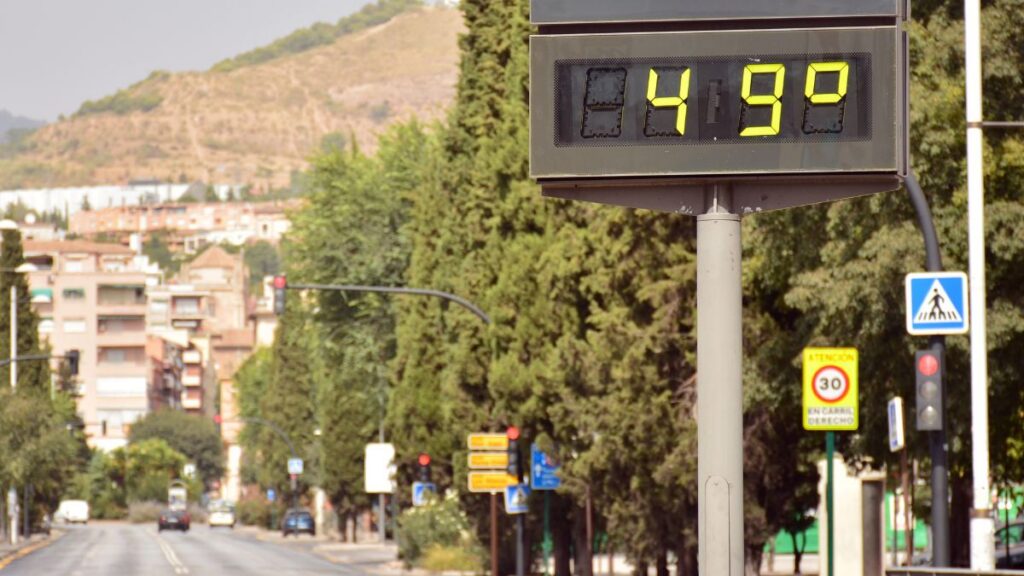
Record-breaking heat: A street thermometer in Spain hits a staggering 49°C as the risk of heatwaves intensifies across southern regions. Credit: Kuki Ladron de Guevara / Shutterstock
Spain could be edging closer to its first major heatwave of 2026, with forecasters increasingly monitoring a sharp rise in temperatures expected to develop across parts of the country over the coming days. After weeks of rain, storms and unusually cool conditions for May, weather models are now pointing towards a very different pattern as hotter air begins building across the peninsula.
For British tourists, second home owners and expats preparing for summer, attention is already shifting from unstable spring weather towards the possibility of prolonged early season heat. Spain has already been strengthening its response to extreme temperatures after deadly heatwaves in recent years, with authorities increasingly treating heat as a major public health threat. Some parts of southern Spain could soon see temperatures climbing well above seasonal averages, while forecasters are also warning that tropical nights, where temperatures remain above 20C overnight, may begin appearing in the warmest regions.
Which parts of Spain could become hottest first
Southern Spain is usually the first region to experience severe early summer heat, particularly inland Andalucia where cities such as Seville, Cordoba and Jaen regularly approach or exceed 40C during heatwaves.
However, coastal areas including the Costa del Sol and Costa Blanca can also experience uncomfortable conditions, especially when intense heat combines with high humidity and very little overnight cooling. During previous hot spells, some coastal resorts remained above 25C overnight, making conditions especially difficult for older residents and tourists unused to Spain’s summer climate.
According to previous patterns monitored by Spain’s state weather agency AEMET, the areas most vulnerable to early heatwaves include:
- Seville and the Guadalquivir Valley
- Cordoba and inland Andalucia
- Extremadura
- Murcia
- Parts of Castilla La Mancha
- The Ebro Valley around Zaragoza
Even popular tourist destinations such as Malaga, Alicante and Mallorca can experience dangerous conditions during prolonged periods of extreme heat, particularly during busy summer weeks when beaches, airports and city centres become heavily crowded.
Why Spain may face another intense summer
Meteorologists say several factors are increasing the likelihood of another unusually hot summer across Spain, with forecasters already monitoring weather patterns that tend to favour prolonged periods of extreme heat.
Sea surface temperatures across parts of the Mediterranean remain above average, while atmospheric conditions over Europe continue allowing hotter air masses to move northwards from Africa towards the Iberian Peninsula.
Some meteorologists are also monitoring wider climate patterns linked to the possible transition between El Niño and more neutral conditions across the Pacific. While these global systems do not directly cause heatwaves in Spain, they can influence broader atmospheric behaviour across Europe and increase the likelihood of prolonged periods of unusual heat.
Spain has also experienced a noticeable rise in the frequency and intensity of heatwaves in recent years. Some climate experts warn that extreme heat episodes are now arriving earlier in the season and lasting longer than they did historically.
Last summer saw multiple temperature records broken across southern Europe, including parts of Spain where overnight temperatures struggled to fall below 25C for several consecutive days. These so called tropical nights can become especially exhausting for residents and tourists because homes and apartments often remain hot long after sunset.
The situation is particularly difficult in older accommodation without modern air conditioning, especially during periods of sustained humidity along parts of the Mediterranean coast.
What tourists and residents should expect
For many British tourists, Spain’s summer heat is part of the appeal. But when temperatures push deep into the high 30s, everyday activities can quickly become exhausting, especially for visitors arriving from cooler northern European climates.
Simple things like walking through city centres in the afternoon, waiting for transport, sightseeing or spending long hours on exposed beaches can become far more physically demanding during prolonged heatwave conditions. In some parts of southern Spain, pavements, cars and apartment buildings can remain intensely hot well into the evening after hours of direct sunshine.
Health authorities usually advise people to:
• Avoid direct sun during the hottest hours of the afternoon
• Drink water regularly, even before feeling thirsty
• Use sunscreen, hats and lightweight clothing
• Limit strenuous outdoor activity during peak heat
• Check regularly on elderly relatives, neighbours and vulnerable people
Tourists travelling with children or older family members are often encouraged to organise sightseeing trips earlier in the morning or later in the evening, particularly during periods of extreme heat when temperatures can remain uncomfortable even after sunset.
Could flights and airports be affected
Extreme temperatures can also create disruption beyond the beaches and resorts.
During previous heatwaves in Spain, airports including Malaga, Alicante and Palma de Mallorca experienced delays linked to air traffic congestion, high passenger volumes and operational pressure during peak travel periods.
Very high temperatures can occasionally affect runway operations and aircraft performance, particularly during the hottest hours of the day.
Travel experts also warn that heatwaves often coincide with increased wildfire risk across parts of Spain, which can occasionally impact roads, rail services and air quality in nearby tourist areas.
How long could the heat last
At this stage, meteorologists are closely monitoring whether the developing conditions could evolve into Spain’s first official heatwave of 2026 under AEMET criteria, which takes into account both the duration of the heat and how many regions experience unusually high temperatures at the same time.
Long range forecasting always carries some uncertainty, particularly this far ahead. However, current projections increasingly point towards several periods of above average heat developing between late May and the early weeks of summer, especially across southern and inland parts of the country.
Some forecasters also warn that once strong high pressure settles over the Iberian Peninsula, hot conditions can persist for days at a time with very limited overnight relief, particularly during tropical nights along parts of the Mediterranean coast.
If temperatures continue intensifying over the coming weeks, Spain could see its first major nationwide heat alerts of the year arriving earlier than many people would normally expect.
What travellers should do now
Spanish health authorities and travel experts are encouraging both tourists and residents to prepare for the possibility of prolonged periods of extreme heat as temperatures begin rising across parts of the country.
Authorities generally recommend:
• Checking local weather forecasts regularly
• Confirming homes or accommodation have suitable cooling or air conditioning
• Drinking water consistently throughout the day
• Monitoring local wildfire warnings and emergency alerts
• Staying updated with airport, transport and local authority notifications during periods of extreme heat
People living in inland parts of southern Spain are also encouraged to avoid strenuous outdoor activity during the hottest afternoon hours, particularly during prolonged periods of high temperatures and tropical nights where buildings may struggle to cool down overnight.
With millions of tourists expected to arrive across Spain this summer alongside large foreign resident communities already living across the country, extreme heat and possible heatwave conditions could once again become one of Spain’s biggest travel and public health stories in the months ahead.
For the latest forecasts, heat alerts and regional weather updates across Spain, residents and travellers can visit our Spanish weather section
Follow Euro Weekly News on Google News
Get breaking news from Spain, travel updates, and expat stories directly on your Google News feed.
Follow on Google NewsSign up for personalised news
Subscribe to our Euro Weekly News alerts to get the latest stories into your inbox!
By signing up, you will create a Euro Weekly News account if you don't already have one. Review our Privacy Policy for more information about our privacy practices.





Tara Russell
Tara is a writer and editorial team member at Euro Weekly News, specialising in news reporting and feature writing. Born and raised in Spain, she holds a B.A. in Applied Languages and Translation Studies. With a strong background in linguistics, communication, and cross-cultural storytelling, Tara previously worked as a language teacher before transitioning to journalism and media.
Comments