The crucial role of timing belts in today’s European cars
By Guest Writer • Updated: 22 May 2026 • 14:26 • 3 minutes read
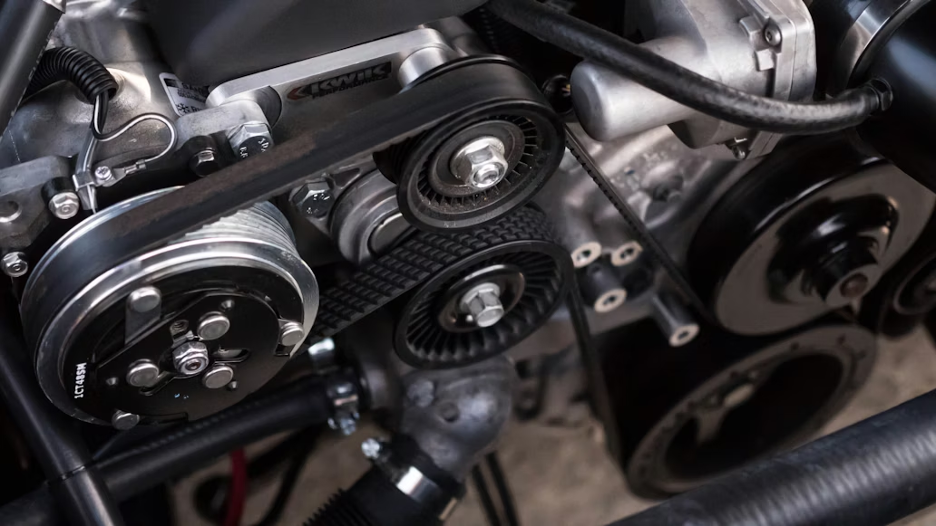
Image: Unsplash.com
The quiet hero inside your engine
If you drive a car in Europe, you know how demanding modern engines have become. Between tight emission laws and the constant push for better fuel economy, everything has to work in perfect sync. That’s where the timing belt does its most important job. It links the crankshaft and camshaft so the valves open and close at exactly the right moment. Simple idea, but if it fails, the repair bill can get painful fast.
I’ve worked on plenty of Golfs, 3 Series, 308s and C-Class cars in workshops from Germany to Spain. These European models use timing belts because they run quieter and lighter than old chains, which helps with mileage. But they don’t last forever. Heat from the engine, oil leaks, and day-to-day driving slowly break them down.
When should you actually replace it?
Car makers usually say change the belt between 60,000 and 100,000 km. Real life depends on how you drive and where you live. Some folks try to stretch it longer, but that’s risky – especially with today’s interference engines. One snap and the pistons can hit the valves, turning a normal job into a very expensive nightmare.
Watch out for little warning signs. A ticking or slapping noise from the front of the engine, power that feels flat, or the car struggling to start. Smart mechanics always replace the belt together with the tensioners, idler pulleys and water pump. Doing only the belt is false economy.
Getting the right part without overspending
When the time comes, you suddenly start looking at options. Original dealer parts are safe but they hit your wallet hard. Thankfully, there are really good aftermarket kits these days that fit perfectly and last well if you choose decent brands. The secret is strong rubber, proper tooth design and good reinforcement inside.
Most customers ask about timing belt price when they get a quote. A full kit for a common family car usually sits in a reasonable range, while bigger engines or premium models naturally cost more. Spending a bit extra on a complete kit almost always works out cheaper than doing the job twice.
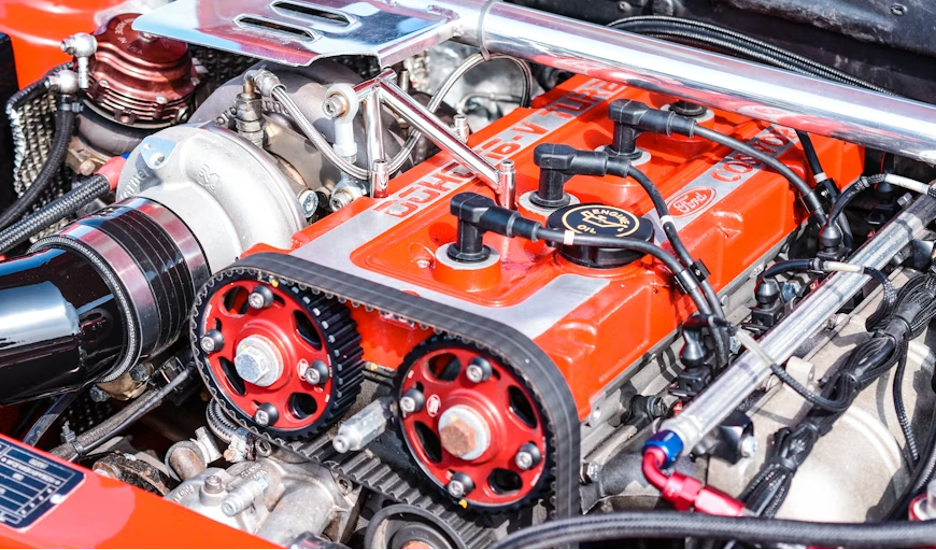
The spare parts scene across Europe
One thing Europe does really well is spare parts supply. Whether you’re in Berlin, a village in rural France, or somewhere in Poland, workshops can usually get parts quickly. This fast delivery keeps your car off the road for less time. Independent garages especially depend on reliable suppliers so they can compete with main dealers on both price and quality.
Even though electric cars are growing, there are still millions of petrol and diesel cars on our roads. That keeps the demand for timing belts and other normal spares very steady for the next many years. A lot of suppliers are also cleaning up their packaging and offering more eco-friendly options.
Easy things you can do to help your belt last
You don’t need to be a technician to look after your timing belt. Try cutting down on lots of cold short trips – they don’t let the engine warm up properly. Change your oil on time because clean oil means less heat and dirt inside the engine. If you live in very hot summers or freezing winters, get the belt checked a little more often.
During normal service, ask the mechanic to have a proper look at the whole timing system. It only takes a few minutes but can save you a breakdown on the motorway later.
The road ahead for everyday drivers
The car world is slowly moving toward hybrids and electrics, but all those existing cars will need traditional parts for a long time. New belt materials are tougher against heat and stretching, which is good news for everyone.
Looking after your car properly with the right parts keeps it running sweet, holds its value, and stops those nasty surprise bills. European drivers have always been careful with their vehicles. Giving attention to something like the timing belt might feel small, but it makes a massive difference in the long run.
Stay on top of your maintenance and you’ll enjoy many more trouble-free miles. Whether it’s your dailydrive or the family wagon, a little care now means much less stress later.
Follow Euro Weekly News on Google News
Get breaking news from Spain, travel updates, and expat stories directly on your Google News feed.
Follow on Google NewsSign up for personalised news
Subscribe to our Euro Weekly News alerts to get the latest stories into your inbox!
By signing up, you will create a Euro Weekly News account if you don't already have one. Review our Privacy Policy for more information about our privacy practices.





Guest Writer
Comments