Experts warn ”medicanes” could soon become a regular weather phenomenon in Spain
By Molly Grace • Published: 25 May 2026 • 22:28 • 3 minutes read
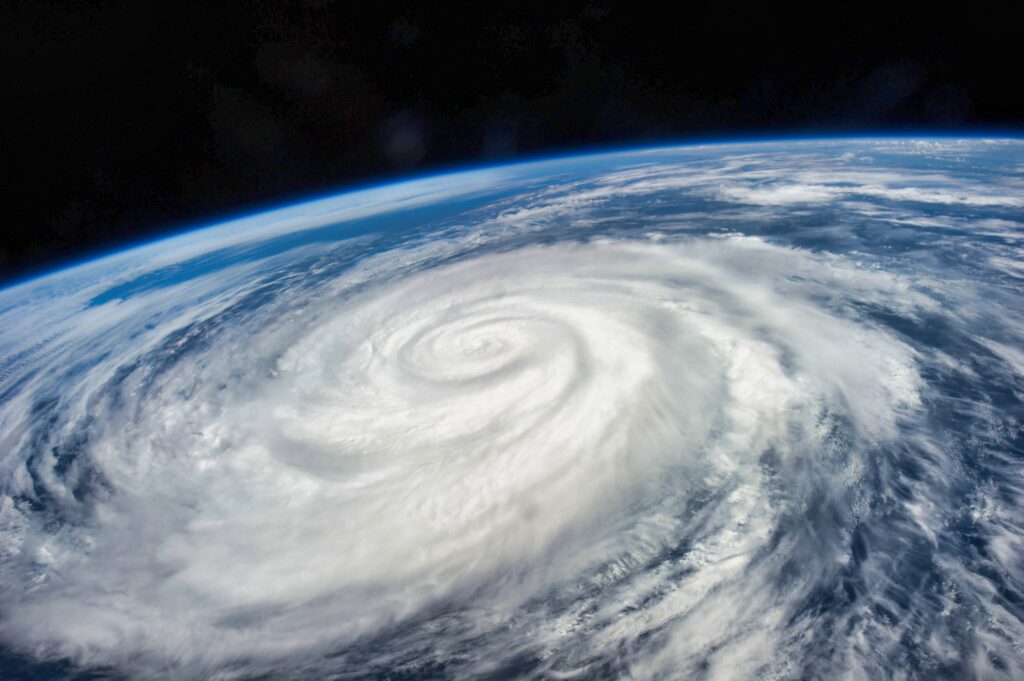
Meteorologists note that the greatest risk from medicanes is often not wind strength alone. Photo credit: BEST-BACKGROUNDS/shutterstock
Meteorologists and climate researchers are warning that hurricane-like storms in the Mediterranean may become more common as sea temperatures continue to increase. The systems, known as “medicanes”, are Mediterranean cyclones that can develop some characteristics associated with tropical storms, including spiral cloud structures, heavy rainfall, strong winds and an eye-like centre. Experts stress, however, that they are not the same as Atlantic hurricanes.
The discussion follows recent meteorological analysis examining how rising sea temperatures could affect weather systems across southern Europe. Scientists studying the Mediterranean climate say warmer waters can provide additional heat and moisture for storm development, creating conditions more favourable to medicane formation than in previous decades.
According to climate data cited by meteorological researchers, parts of the Mediterranean Sea have recorded temperatures above seasonal averages in recent years.
What a medicane is and how it forms
Researchers have also identified long-term warming patterns in the basin, with sea surface temperatures increasing steadily over recent decades.
The term “medicane” combines the words Mediterranean and hurricane. These systems form over the Mediterranean Sea and can develop features resembling tropical cyclones, although they are usually smaller and weaker than hurricanes seen in the Atlantic Ocean.
Meteorologists explain that medicanes often begin as low-pressure systems before acquiring tropical characteristics over warm water. They can produce intense rainfall, strong winds and dangerous sea conditions, particularly near coastal areas.
Mediterranean conditions differ from Atlantic hurricanes
Unlike Atlantic hurricanes, which usually develop over large expanses of tropical ocean water, Mediterranean systems form within a much smaller basin surrounded by land. Atmospheric conditions in the region are also different, limiting the development of full-scale tropical hurricanes.
Scientists say that while the Mediterranean is capable of producing storms with hurricane-like features, the region does not typically generate cyclones matching the scale or duration of major Atlantic storms.
Researchers studying Mediterranean climate conditions say warmer sea temperatures may increase the amount of energy available to developing storm systems. Warm water contributes heat and moisture to the atmosphere, which can strengthen rainfall and wind activity.
Rising sea temperatures linked to stronger storms
According to meteorological analysis published by Meteored, Mediterranean waters warmed by around 0.4C per decade between 1990 and 2020. Some areas of the sea have also recorded temperatures significantly above average during recent summers.
Meteorologist Pedro de la Fuente said some recent Mediterranean storms have shown organised structures similar to tropical cyclones, including warm cores and spiral cloud formations. He noted that these systems remain different from Atlantic hurricanes but can still generate severe weather conditions.
Researchers continue to examine whether climate change could influence how frequently these storms form or how intense they become. Current studies focus on changes in sea temperature, rainfall patterns and atmospheric circulation across the Mediterranean basin.
Previous storms have caused severe flooding
Several Mediterranean storm systems in recent years have caused flooding and wind damage across southern Europe and North Africa. Storm Daniel in 2023 is among the most widely cited examples, bringing severe flooding to parts of Libya after crossing the Mediterranean.
Scientists studying extreme rainfall events have found links between unusually warm Mediterranean waters and heavy precipitation episodes affecting coastal regions. Warmer seas can increase evaporation and atmospheric moisture, contributing to more intense rainfall when storm systems develop.
Meteorologists also note that the greatest risk from medicanes is often not wind strength alone, but flooding caused by prolonged rainfall and storm surges in coastal areas.
What it could mean for southern Europe
Countries bordering the Mediterranean, including Spain, Italy and Greece, are considered among the areas most exposed to these weather systems. Coastal regions can experience flooding, strong winds and disruption to transport during severe storms.
Weather agencies continue to monitor sea temperatures and atmospheric conditions, particularly during late summer and autumn, when medicanes are more likely to develop. Researchers say these storms remain relatively uncommon, but conditions in the Mediterranean are being studied closely as sea temperatures continue to rise.
Scientists emphasise that the Mediterranean is still very different from tropical hurricane regions such as the Atlantic or Caribbean. However, meteorologists say the basin is increasingly capable of producing storms with some tropical characteristics under favourable conditions.
Follow Euro Weekly News on Google News
Get breaking news from Spain, travel updates, and expat stories directly on your Google News feed.
Follow on Google NewsSign up for personalised news
Subscribe to our Euro Weekly News alerts to get the latest stories into your inbox!
By signing up, you will create a Euro Weekly News account if you don't already have one. Review our Privacy Policy for more information about our privacy practices.

Molly Grace
Molly is a British journalist and author who has lived in Spain for over 25 years. With a background in animal welfare, equestrian science, and veterinary nursing, she brings curiosity, humour, and a sharp investigative eye to her work. At Euro Weekly News, Molly explores the intersections of nature, culture, and community - drawing on her deep local knowledge and passion for stories that reflect life in Spain from the ground up.
Comments