New EU driving rule means future cars may refuse to start
By Farah Mokrani • Published: 25 May 2026 • 22:40 • 3 minutes read
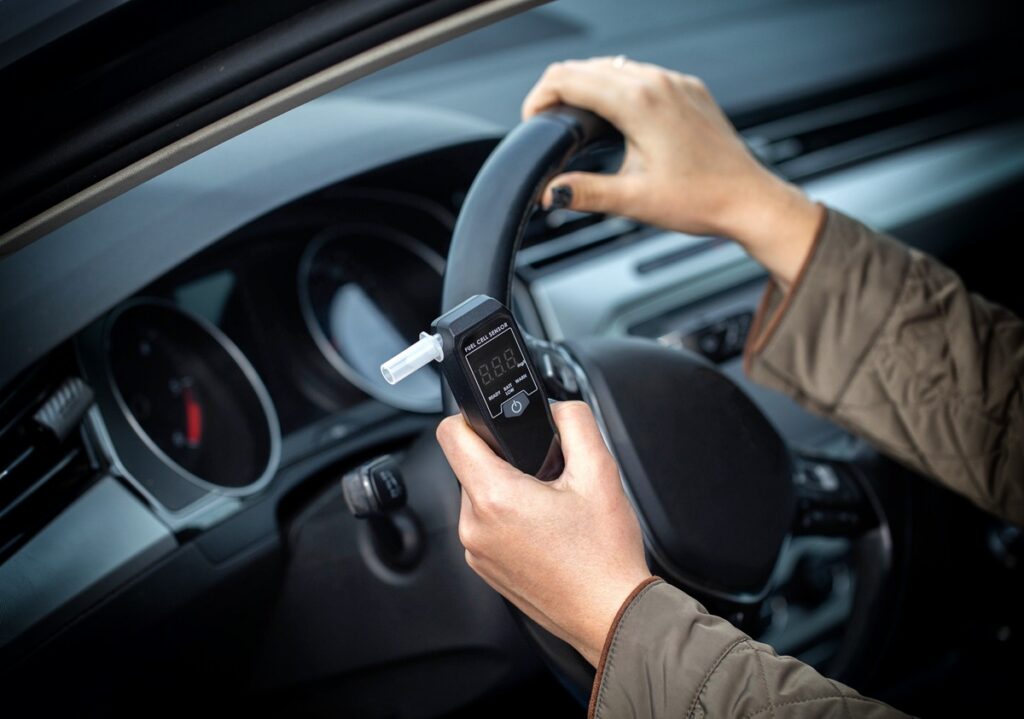
New EU rules will require all new cars to be prepared for alcohol interlock systems from 2026. Credit : HenadziPechan, Shutterstock
Drivers buying a new car in Europe from July 2026 may notice something changing behind the scenes.
Every newly registered vehicle sold across the European Union will have to come ready for an alcohol interlock device to be installed.
The rule is already creating confusion online because many people believe it means all drivers will need to blow into a breathalyser before starting their car.
That is not actually what the law says.
Drivers will not automatically be forced to take alcohol tests every time they use the vehicle. What becomes mandatory is the built in preparation inside the car itself, allowing an alcohol interlock system to be connected quickly if required in the future.
Still, the change says a lot about where European road safety rules are heading. Cars are becoming increasingly packed with monitoring systems, alerts and automated safety technology and this is another step in that direction.
What will actually change in cars from July 2026
The important detail is that the EU is requiring a standardised interface for something called an Alcolock system.
In simple terms, manufacturers must make sure new vehicles leave the factory technically ready for an alcohol breath test device to be installed later without expensive modifications.
The actual device works similarly to a police breathalyser. The driver blows into it before starting the engine.
If alcohol levels are above the legal limit, the car stays immobilised.
The technology already exists and is not new. It has been used for years in parts of the transport industry and in certain court ordered driving cases involving repeat drink driving offenders.
The difference now is that Brussels wants all newly registered cars across the EU prepared for the possibility of wider use later on.
That means the connection system and installation capability must already exist inside the vehicle from the moment it leaves the factory.
For many drivers, the system will probably remain invisible unless national authorities or courts ever require the device itself to be activated. But safety experts believe making installation easier could increase future use significantly.
According to road safety estimates linked to the proposal, alcohol interlock systems may help reduce fatal crashes linked to drink driving by a considerable margin. And despite years of awareness campaigns, alcohol remains a major factor in serious road accidents across Europe.
Modern cars in Europe are already watching drivers more closely
For many motorists, this latest rule feels like part of a much bigger shift already happening inside newer vehicles.
Cars sold in Europe today already contain far more automated systems than they did only a few years ago.
Some drivers barely notice them while others find them impossible to ignore.
Speed warning systems are one example. Many newer cars now alert drivers when they exceed local speed limits using GPS data and traffic sign recognition cameras.
Lane assistance technology has also become increasingly common, with some vehicles gently correcting steering if the driver drifts unintentionally.
Then there are fatigue and distraction alerts.
Some systems monitor driving behaviour looking for signs of tiredness. Others react if drivers stop paying attention to the road for too long.
New cars are also required to include Event Data Recorders, often compared to black boxes on aircraft. These store technical information before and after collisions to help investigators understand what happened during an accident.
Emergency braking alerts are also now becoming standard on many models. During sudden heavy braking, rear lights flash rapidly to warn vehicles behind.
Taken separately, each system may seem relatively minor.
Together though, they show how quickly driving in Europe is becoming more technology driven.
Why the EU is introducing these changes
The broader goal behind all of this is the EU’s long term road safety plan known as ‘Vision Zero‘.
Brussels wants to cut road deaths and serious injuries dramatically over the coming decades and eventually move towards almost zero road fatalities by 2050.
That ambition is shaping more and more vehicle regulations every year. And honestly, the pace of change has surprised many drivers.
Not long ago, debates around car technology focused mostly on electric vehicles or touchscreen dashboards.
Now conversations increasingly revolve around monitoring systems, automated assistance and driver behaviour controls.
Supporters argue the technology saves lives and reduces human error on the road.
Critics worry modern cars are becoming overly intrusive and increasingly dependent on digital systems that many motorists never asked for in the first place.
The July 2026 deadline matters because it marks the point where newly registered vehicles that do not meet the updated safety requirements will no longer be able to enter the EU market.
For most drivers, the alcohol interlock preparation rule will probably change very little day to day.
They may never even see the system. But it reflects something bigger happening across Europe’s car industry.
Vehicles are slowly becoming less mechanical and far more connected to software, monitoring tools and automated safety controls than many people ever expected.
Follow Euro Weekly News on Google News
Get breaking news from Spain, travel updates, and expat stories directly on your Google News feed.
Follow on Google NewsSign up for personalised news
Subscribe to our Euro Weekly News alerts to get the latest stories into your inbox!
By signing up, you will create a Euro Weekly News account if you don't already have one. Review our Privacy Policy for more information about our privacy practices.





Farah Mokrani
Farah is a journalist and content writer with over a decade of experience in both digital and print media. Originally from Tunisia and now based in Spain, she has covered current affairs, investigative reports, and long-form features for a range of international publications. At Euro Weekly News, Farah brings a global perspective to her reporting, contributing news and analysis informed by her editorial background and passion for clear, accurate storytelling.
Comments