A Dutch couple bought an abandoned village in Spain – and want strangers to come live there
By Molly Grace • Updated: 27 May 2026 • 9:19 • 3 minutes read
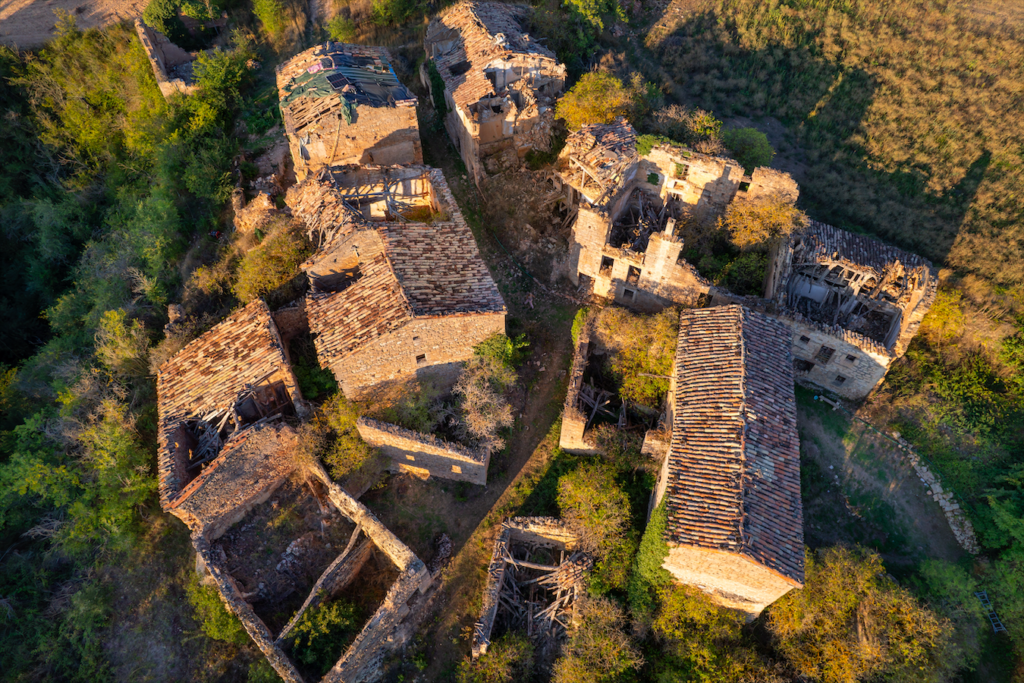
Rather than keeping the village as a private project, the couple have opened participation to external residents. Photo credit: David Herraez Calzada/shutterstock
A Dutch couple have acquired a largely abandoned village in northern Spain and are transforming it into a self-sufficient eco-community designed to attract residents from different countries. Maaike Geurts and Tibor Strausz purchased Bárcena de Bureba, in the province of Burgos, Castilla y León, for a reported price of around 339,000 to 350,000 euros. The village had been almost entirely deserted for around 40 to 50 years, depending on sources, as rural depopulation gradually emptied settlements across the region.
The site contains between 62 and 65 buildings, including residential properties and communal structures. Many were left in advanced states of disrepair after decades without maintenance. The couple say their intention is to reverse long-term abandonment by restoring housing, rebuilding basic infrastructure and gradually repopulating the village through shared settlement.
Open international recruitment and planned arrivals
Rather than keeping the village as a private project, the couple have opened participation to external residents and are actively encouraging people from different nationalities to relocate. They expect at least six families from the Netherlands to join in early phases of the project, alongside interest from other countries. New arrivals are invited to take part in reconstruction work and help shape the emerging community.
Participation is based on a collaborative model, where residents contribute labour, funding or specialist skills. Some participants stay temporarily during initial phases, while longer-term housing is repaired. Those involved are encouraged to visit the site before committing, with some early arrivals already assisting in restoration and planning.
Energy system built from solar container and water filtration
Early infrastructure work has focused on making the village functional without relying on external utilities. Electricity is generated through a solar power system installed inside a converted shipping container fitted with batteries. According to those involved, the system was assembled as a compact off-grid energy solution capable of supplying early-stage buildings.
Water is sourced from a nearby river and treated through a filtration system developed on site. The aim is to ensure a stable supply for residents while reducing dependence on external infrastructure. Additional systems include water storage and irrigation structures designed to support future agricultural use.
Food production plans and landscape restoration
The project includes the creation of productive land around the village through agricultural restoration and long-term planting strategies. Plans include the development of an edible forest combining fruit trees, vegetation and crops intended to support sustainable food production. The approach is based on regenerative agriculture principles designed to improve soil quality over time.
Horticultural plots and shared gardens are also being prepared, with the aim of supplying food locally as the population increases. The wider plan combines agriculture, housing restoration and communal resource management into a single settlement model.
Restoration challenges and practical constraints
Despite early progress, the project faces significant structural and administrative challenges. Many of the buildings require extensive renovation after decades of exposure, with some needing full reconstruction before they can be safely used.
The site also lacks modern services, and development must account for limited connectivity, access to healthcare and infrastructure constraints typical of rural inland Spain.
Permits and regulatory approvals are required for certain building works, and progress depends on both funding and compliance with local planning rules. The founders acknowledge that the project requires long-term investment, steady participation and ongoing adaptation to the conditions of the area.
Community structure and decision-making model
The village is being organised around a shared governance system rather than a traditional ownership model. Residents are expected to participate in collective decision-making processes covering land use, construction priorities and community organisation. The aim is to create a structured but cooperative living environment.
Work includes rebuilding homes, maintaining shared spaces and developing small-scale economic activity such as workshops and food production. The intention is to establish a self-managed settlement where responsibilities and resources are distributed among participants.
Rural depopulation context in Spain
The project is taking place within a wider pattern of rural depopulation in northern and central Spain, where many villages were abandoned over several decades as residents moved to cities for employment and services.
Bárcena de Bureba is one of many settlements affected by this long-term demographic shift, leaving large areas of countryside sparsely populated and numerous villages without permanent residents. In recent years, some abandoned villages have been purchased by private individuals and international groups seeking to restore housing and develop alternative rural living models.
Long-term development plans
The project is expected to evolve gradually as new residents arrive and infrastructure expands. Future plans include continued rebuilding of housing, expansion of renewable energy systems, development of communal facilities and further agricultural planting.
The couple say their aim is not only to restore buildings, but to create a functioning settlement where people can live, work and participate in shared community life over the long term. Progress will depend on sustained investment, continued recruitment of residents and the gradual transformation of the abandoned village into a stable inhabited community.
Follow Euro Weekly News on Google News
Get breaking news from Spain, travel updates, and expat stories directly on your Google News feed.
Follow on Google NewsSign up for personalised news
Subscribe to our Euro Weekly News alerts to get the latest stories into your inbox!
By signing up, you will create a Euro Weekly News account if you don't already have one. Review our Privacy Policy for more information about our privacy practices.


Molly Grace
Molly is a British journalist and author who has lived in Spain for over 25 years. With a background in animal welfare, equestrian science, and veterinary nursing, she brings curiosity, humour, and a sharp investigative eye to her work. At Euro Weekly News, Molly explores the intersections of nature, culture, and community - drawing on her deep local knowledge and passion for stories that reflect life in Spain from the ground up.
Comments