Spain’s health system shows striking divide as migrants rely less on doctors but more on emergency care
By Molly Grace • Updated: 02 Jun 2026 • 19:16 • 4 minutes read
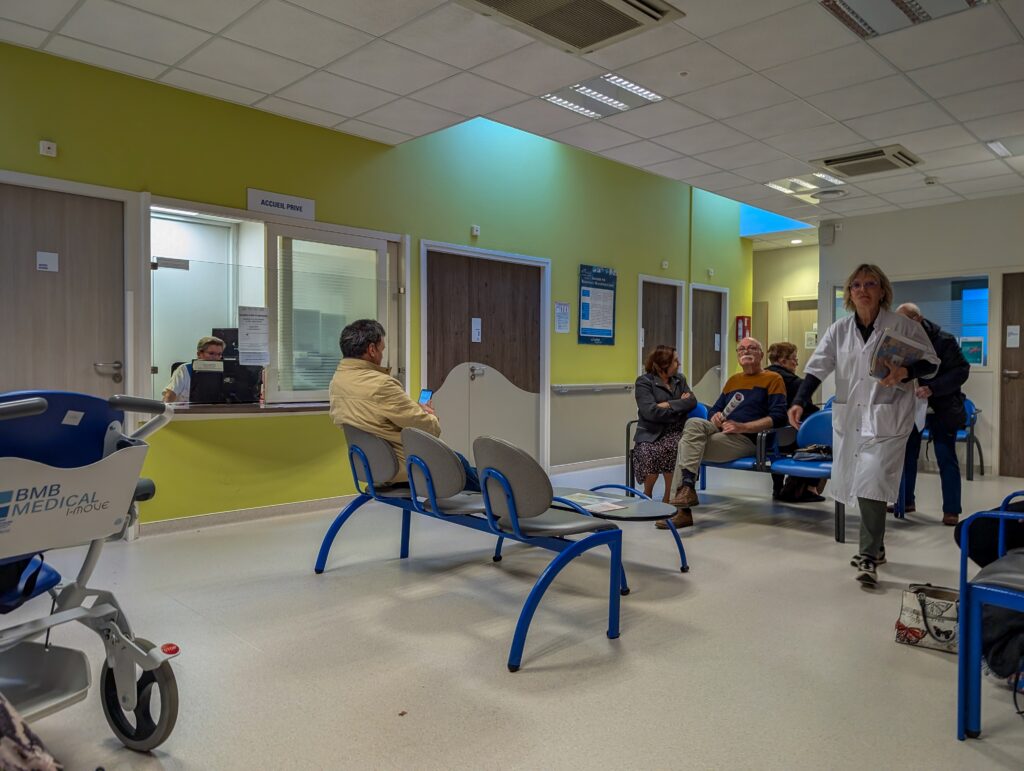
Immigrants have higher rates of emergency department attendance and hospital admissions. Photo credit: Henry Saint John/Shutterstock
Recent reports from the Spanish Ministry of Health show that migrants living in Spain use fewer healthcare resources overall than people born in the country, although the picture varies significantly depending on region of origin, age profile and type of care.
The study, Estado de salud y uso del sistema sanitario por la población migrante en España (Health status and use of the healthcare system by the migrant population in Spain), is based on data from the Barómetro Sanitario (Health Barometer) and the Base de Datos Clínicos de Atención Primaria (BDCAP) (Primary Care Clinical Database), covering millions of medical records. It compares Spanish-born residents with migrants from the European Union, Africa, Latin America, the Eastern Mediterranean, and other regions.
While the overall conclusion points to lower healthcare use among migrants, the report highlights marked differences in health status, disease patterns and patterns of service use, with important implications for how pressure is distributed across Spain’s health system.
Lower use of primary care across all groups
Migrants consistently make less use of primary care than Spanish-born residents.
Spaniards visit their GP an average of 9.55 times per year. This is 51.2% higher than EU migrants, 39.1% higher than African migrants, 17.8% higher than Latin American migrants, and around 26.9% higher than migrants from the Eastern Mediterranean.
EU migrants sit in a middle position: they use primary care less frequently than Spanish-born residents, but more than several non-EU groups.
Since primary care is the main gateway into Spain’s health system, lower use can reduce early diagnosis, continuity of care and long-term management of chronic illness.
Main health conditions by region
The report reveals clear differences in the most common health conditions recorded across population groups, closely linked to age, lifestyle factors and underlying health profiles.
Among Spanish-born residents, the most frequently recorded conditions are largely chronic and long-term in nature. These include anxiety and other mood disorders, lipid metabolism problems such as high cholesterol, respiratory illnesses including asthma and infections, and cardiovascular risks such as hypertension. Overall, this group shows higher prevalence in 16 of the 21 conditions analysed, particularly in chronic diseases associated with ageing.
EU migrants show a broadly similar pattern of illness but at lower levels overall. The most common conditions include cardiovascular and respiratory diseases, digestive problems and mental health conditions such as anxiety and depression. However, the overall burden of chronic illness is lower than among Spanish-born residents, placing this group in an intermediate position between the native population and other migrant groups.
Among African-origin populations, the most notable conditions are hypertension and chronic kidney disease, which appear slightly more frequently than in Spanish-born residents. Diabetes is also present, alongside acute respiratory conditions. Despite some elevated cardiovascular risk factors, overall levels of multimorbidity remain lower than in the Spanish-born population.
For Latin American migrants, the most common health issues include respiratory infections, musculoskeletal pain conditions, mental health disorders such as anxiety and depression, and moderate levels of diabetes in certain subgroups. The report also highlights a higher rate of specialist referrals in gynaecology and obstetrics, reflecting a younger population profile and higher fertility rates compared with other groups.
Finally, among Eastern Mediterranean migrants, metabolic conditions dominate. Type 2 diabetes is notably more prevalent than in Spanish-born residents, alongside hypertension and other metabolic disorders linked to cardiovascular risk.
Emergency and hospital use
Patterns of hospital use show a more mixed picture.
Overall, 43.3% of migrants reported using emergency services compared with 37.2% of Spanish-born residents. Hospital admission rates were also slightly higher among migrants, at 10.5% compared with 9.2%.
However, EU migrants do not stand out as a high-pressure group for emergency care, with their patterns closer to Spanish-born residents than to some non-EU populations.
In outpatient hospital care, Spanish-born residents still report higher overall use of specialist consultations (63.3% versus 57.9% among migrants).
A younger population with lower disease burden
A key factor behind these differences is age and baseline health.
Migrants in Spain have an average age of 36.6 years, compared with 45.3 years for Spanish-born residents. This younger population structure is associated with lower rates of chronic disease, fewer long-term conditions and reduced medication use.
Spaniards consume significantly more medication overall, including 62.7% more than African migrants and nearly 50% more than Latin American migrants. EU migrants again fall in a middle position, with lower medication use than Spaniards but higher than some non-EU groups.
What this means for residents in Spain
For residents, the report highlights that pressure on the healthcare system is shaped less by overall demand from migrants and more by how and when people access care. Spain’s health system is structured around primary care as the first point of contact. When access is delayed or underused, patients are more likely to enter the system later through emergency departments or hospital admissions, which are more resource-intensive and costly.
This affects all residents, not only migrants, particularly in areas with high demand, staffing shortages or long waiting lists for GP appointments. Delays in early care can lead to worsening conditions and increased reliance on hospital services. EU migrants reflect a more integrated pattern, with generally good health but lower engagement with preventive and routine care than Spanish-born residents.
Impact on Spain’s healthcare system
The report highlights a structural issue affecting the entire system: access to timely primary care. When patients cannot be seen early, conditions are more likely to deteriorate before treatment, increasing pressure on emergency departments and hospitals.
This contributes to inefficiencies in a system already facing workforce constraints and rising demand. The Ministry argues that improving access to primary care would reduce avoidable hospital use, improve chronic disease management and ease pressure on emergency services. Recent policy measures have also aimed to reduce administrative barriers for foreign residents in order to encourage earlier engagement with healthcare services.
Conclusion
Overall, the report shows that migrants in Spain generally use fewer healthcare resources than Spanish-born residents, particularly in primary care and medication use, while also presenting different patterns of illness depending on region of origin.
EU migrants occupy a middle position: closer to Spanish-born residents in health profile and hospital use, but still less engaged with routine primary care.
Rather than indicating excessive demand from migration, the findings point to broader structural challenges in Spain’s healthcare system, particularly around timely access to primary care, which affect both migrants and Spanish-born residents and shape pressure on hospitals and emergency services.
Follow Euro Weekly News on Google News
Get breaking news from Spain, travel updates, and expat stories directly on your Google News feed.
Follow on Google NewsSign up for personalised news
Subscribe to our Euro Weekly News alerts to get the latest stories into your inbox!
By signing up, you will create a Euro Weekly News account if you don't already have one. Review our Privacy Policy for more information about our privacy practices.





Molly Grace
Molly is a British journalist and author who has lived in Spain for over 25 years. With a background in animal welfare, equestrian science, and veterinary nursing, she brings curiosity, humour, and a sharp investigative eye to her work. At Euro Weekly News, Molly explores the intersections of nature, culture, and community - drawing on her deep local knowledge and passion for stories that reflect life in Spain from the ground up.
Comments