Some vehicles in Spain will need ITV inspections every six months after turning 10
By Farah Mokrani • Published: 03 Jun 2026 • 0:18 • 3 minutes read
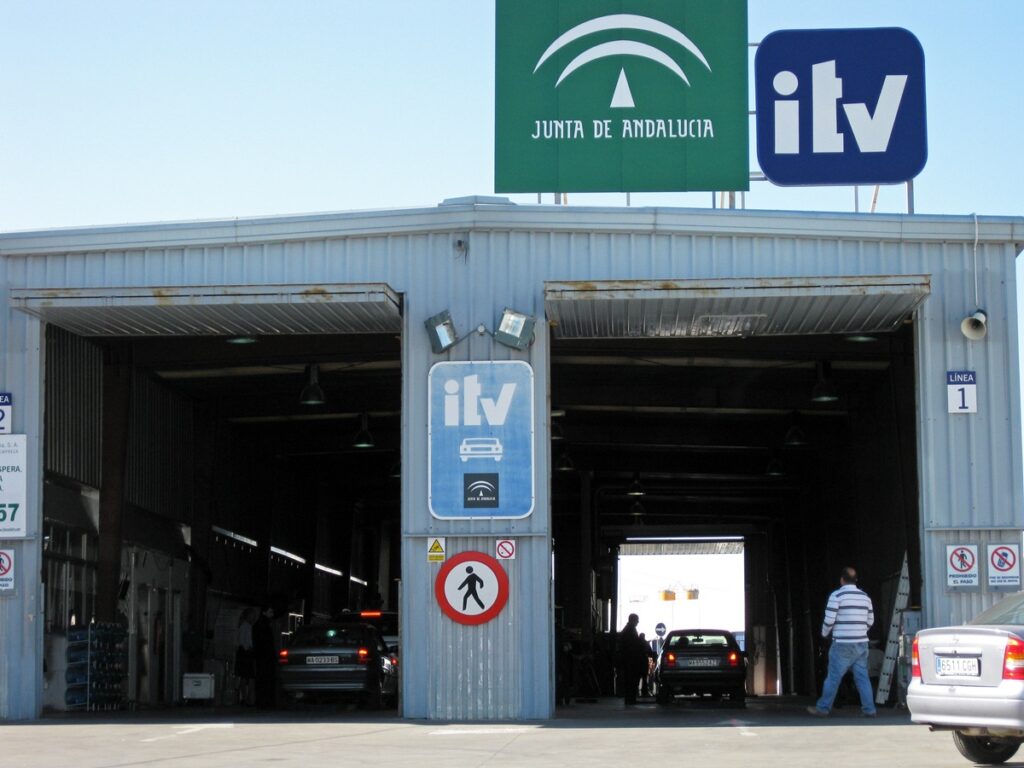
Some vehicles in Spain may face more frequent ITV inspections once they reach 10 years of age. Credit : Caron Badkin, Shutterstock
For many camper van owners, reaching the ten year mark is hardly a reason to worry. If the vehicle is running well and passes its annual inspection, most assume nothing much changes.
But for thousands of drivers across Spain, that assumption could prove expensive.
A clarification published by Spain’s Directorate General of Traffic (DGT) confirms that some camper vans over ten years old will need to undergo ITV inspections every six months rather than once a year. While the change does not affect all recreational vehicles equally, it could leave certain owners facing twice as many inspection appointments and significantly higher annual costs.
The distinction comes down to something many drivers rarely think about: how their vehicle is classified.
At first glance, a motorhome and a camper van may seem to serve exactly the same purpose. Both are used for holidays, road trips and weekends away. Both can include sleeping areas, cooking facilities and storage space.
When it comes to ITV inspections, however, the rules are not the same.
Why some camper van owners face more inspections than motorhome drivers
The latest DGT instruction updates guidance issued in 2023 and aligns inspection schedules with existing national regulations.
Under the rules, traditional motorhomes classified as category M vehicles follow one timetable.
Once they are more than four years old, they require an ITV inspection every two years. After reaching ten years of age, the inspection becomes annual.
For many motorhome owners, nothing changes. Camper vans classified as category N vehicles are treated differently.
Up to the age of ten, they must undergo an ITV inspection every year. After their tenth birthday, that frequency doubles, meaning inspections are required every six months.
For owners who assumed all leisure vehicles followed the same schedule, the difference can come as an unwelcome surprise.
A camper van and a motorhome parked side by side on a campsite may look similar, but their inspection obligations can be very different.
The extra cost many owners may not have budgeted for
The most obvious consequence is financial. ITV prices vary depending on the vehicle and inspection station, but owners of camper vans and motorhomes often pay between €120 and €150 for each inspection.
While the exact figure differs across Spain, the maths is straightforward.
A motorhome older than ten years generally requires one inspection each year.
A camper van older than ten years requires two.
Over time, that difference can add hundreds of euros to ownership costs.
For people who use their camper van regularly for holidays, festivals or long weekends, the additional expense may be manageable. For occasional users, however, paying for two inspections every year may feel much harder to justify.
Some owners may try to reduce costs by shopping around.
Spanish regulations allow drivers to complete their ITV inspection in any autonomous community, regardless of where the vehicle is registered or where road tax is paid.
That flexibility means prices can be compared before booking an appointment.
Why more drivers are likely to be affected in the coming years
The timing is significant.
Camper vans have enjoyed a remarkable rise in popularity over the last decade. Long before remote working became common, many travellers were already embracing the freedom of travelling with their accommodation on board.
The trend accelerated even further after the pandemic, when domestic tourism and outdoor travel became increasingly attractive.
As a result, large numbers of vehicles purchased or converted around 2015 and 2016 are now approaching the age at which the stricter inspection timetable applies.
That means more owners are likely to discover the six month rule in the years ahead.
The updated DGT guidance also contains other clarifications relating to motorhomes and camper vans, including parking rules and infrastructure designed for recreational vehicles. Among them is the introduction of the S-128 road sign, which identifies designated disposal points for wastewater from caravans and motorhomes.
Yet for many drivers, the inspection schedule is likely to attract the most attention.
Nobody enjoys booking an ITV appointment and having to book two every year is even less appealing.
For camper van owners approaching the ten year mark, checking how their vehicle is classified may now be just as important as checking the engine, tyres or brakes.
Because in Spain, two vehicles that look almost identical can end up following very different rules once they get older.
Follow Euro Weekly News on Google News
Get breaking news from Spain, travel updates, and expat stories directly on your Google News feed.
Follow on Google NewsSign up for personalised news
Subscribe to our Euro Weekly News alerts to get the latest stories into your inbox!
By signing up, you will create a Euro Weekly News account if you don't already have one. Review our Privacy Policy for more information about our privacy practices.





Farah Mokrani
Farah is a journalist and content writer with over a decade of experience in both digital and print media. Originally from Tunisia and now based in Spain, she has covered current affairs, investigative reports, and long-form features for a range of international publications. At Euro Weekly News, Farah brings a global perspective to her reporting, contributing news and analysis informed by her editorial background and passion for clear, accurate storytelling.
Comments
White
04 June 2026 • 12:12Campervans n motor homes do not look identical
Comments are closed.