The same ITV inspection can cost twice as much depending on where you live in Spain
By Farah Mokrani • Published: 10 May 2026 • 17:00 • 3 minutes read
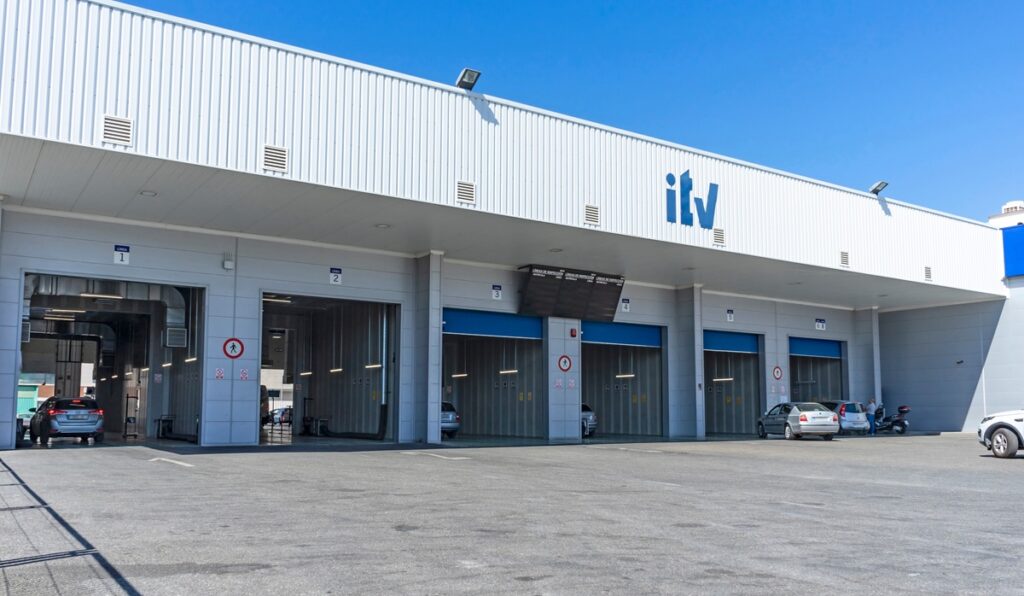
ITV prices in Spain continue to vary sharply depending on the region and vehicle type. Credit :rafa jodar, Shutterstock
Two drivers can take almost the same car for an ITV inspection in Spain this year and walk away paying completely different prices. In some regions, motorists are paying little more than €30, while in others the bill for a diesel vehicle is climbing past €60. And with prices rising again in several parts of the country, many drivers are starting to ask the same question: how can the same mandatory inspection cost so much more depending on where you live?
The ITV has always been one of those unavoidable expenses for drivers in Spain. But in 2026, it is becoming a growing frustration, especially for people already dealing with higher fuel prices, insurance increases and tighter driving restrictions in many cities.
What surprises many motorists is that there is no single ITV price across Spain. The inspection itself is mandatory nationwide, but the amount people actually pay depends on the autonomous community, the type of vehicle and even the station they choose.
For drivers with diesel cars, the difference can be especially painful.
Why the ITV costs much more in some parts of Spain
Many drivers assume the ITV works like a national fixed fee. It does not. The technical side of vehicle inspections is regulated under Royal Decree 920/2017, which establishes the safety and environmental checks stations must carry out. But pricing is left largely in the hands of the autonomous communities.
That is where the big differences begin.
Some regions regulate tariffs directly. Others operate with more open competition between private ITV companies. As a result, prices can vary sharply from one province to another.
In Catalonia, for example, a standard petrol car inspection currently sits at just over €40, while a diesel vehicle rises to roughly €45.
In Andalusia, prices vary depending on the vehicle type and station, but diesel inspections can approach €50.
Meanwhile, in places such as Cantabria and the Valencian Community, certain diesel vehicles may end up paying more than €60 for the inspection.
Madrid is another example where drivers often see major price differences between stations because the market is more liberalised. That means comparing prices before booking an appointment can genuinely save money.
Some motorists are now even travelling to neighbouring towns or nearby stations purely because the difference in price is worth it.
Diesel drivers are still the ones paying the highest prices
If there is one group feeling the increases most, it is diesel car owners.
Diesel vehicles usually cost more to inspect because the ITV includes stricter emissions testing and additional pollution controls. That extra scrutiny pushes the price up compared with petrol vehicles.
Electric cars can sometimes be slightly cheaper depending on the region, although not dramatically so. For many drivers, however, the frustration is not only about the ITV itself. It is the feeling that driving in Spain is becoming steadily more expensive from every angle.
Insurance has gone up for many households. Fuel prices remain unpredictable. Parking is becoming more complicated in some cities and Low Emission Zones continue expanding. Against that background, even an extra €10 or €15 on an ITV inspection feels annoying to many motorists.
The inspection stations themselves argue that rising operational costs are partly behind the increases.
Energy bills, equipment maintenance and updated inspection technology all come at a price. Modern vehicles also contain increasingly sophisticated electronic systems that ITV stations now have to test properly.
Environmental regulations have added further pressure, especially for diesel engines. Industry sources say some stations had already delayed tariff increases for years and are now trying to recover higher operating costs gradually.
What drivers can do to avoid paying more than necessary
One thing many motorists still do not realise is how much prices can vary between stations in the same area.
In regions with a more competitive system, the difference between two nearby ITV centres can sometimes be surprisingly large for the exact same vehicle. That is why many drivers now compare prices online before booking.
Some stations also offer cheaper appointments during quieter hours or discounts for online bookings, although these promotions are not always easy to spot.
Another way drivers end up spending more than necessary is by failing the inspection over small problems.
Faulty lights, worn tyres, warning lights on the dashboard, damaged wipers or registration plate issues remain among the most common reasons for a failed ITV.
That means checking the vehicle properly beforehand can save both time and money. Drivers are also being advised not to leave the appointment until the last moment.
In some areas, waiting lists can become longer during busy periods and driving with an expired ITV can lead to fines as well as problems with insurance if an accident occurs.
Spanish rules allow drivers to complete the inspection up to 30 days before the expiry date without changing the renewal cycle for the next ITV. For many motorists, that extra flexibility is becoming increasingly useful. But despite all the comparisons, discounts and planning, one reality remains the same across Spain in 2026.
The ITV is still compulsory for everyone. The only thing that changes dramatically is the amount drivers end up paying for it.
Sign up for personalised news
Subscribe to our Euro Weekly News alerts to get the latest stories into your inbox!
By signing up, you will create a Euro Weekly News account if you don't already have one. Review our Privacy Policy for more information about our privacy practices.




Farah Mokrani
Farah is a journalist and content writer with over a decade of experience in both digital and print media. Originally from Tunisia and now based in Spain, she has covered current affairs, investigative reports, and long-form features for a range of international publications. At Euro Weekly News, Farah brings a global perspective to her reporting, contributing news and analysis informed by her editorial background and passion for clear, accurate storytelling.
Comments