The traditional Spanish foods experts say may secretly worsen allergy symptoms
By Lucy Ramnought • Published: 10 May 2026 • 17:04 • 2 minutes read
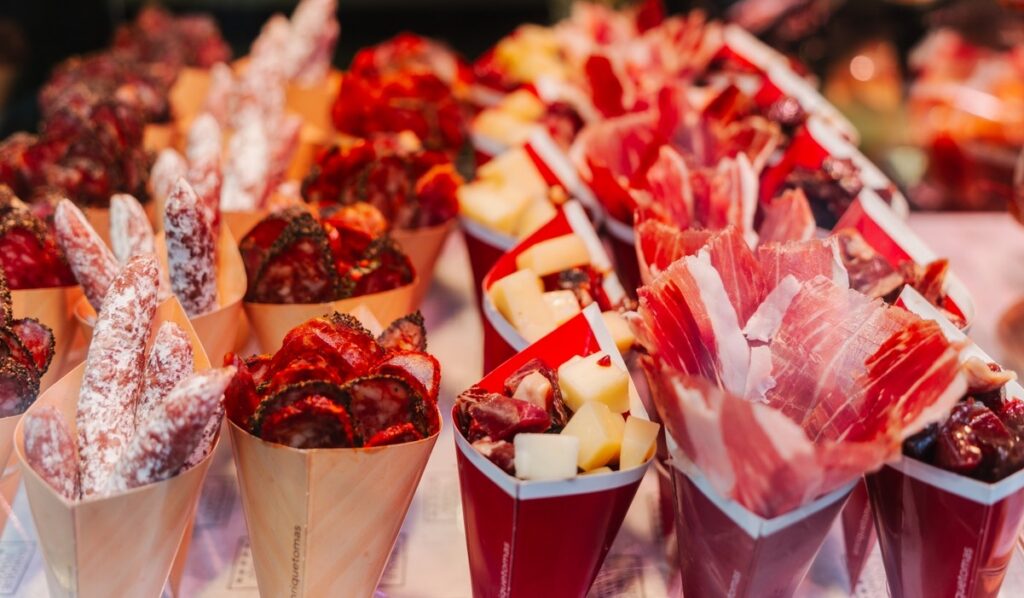
Some Spanish favourites Credit:LCHphotogallery/shutterstock
Spring allergy season has hit Spain super hard once again, with olive pollen, grasses, and cypress triggering sneezing, itchy eyes, congestion, and fatigue across the country. Millions of people are turning to antihistamines for relief from the misery that is allergies, but few realise that some traditional Spanish foods may also be adding to their discomfort.
Antihistamines are designed to block the body’s histamine response, certain foods in your favourite tapas naturally contain high levels of histamine or encourage its release. For people already suffering with allergies, the combination can sometimes make symptoms feel worse rather than better.
Why histamine-rich foods matter during allergy season
Histamine is a chemical involved in both the immune system and allergic reactions. During hay fever season, the body already produces more histamine in response to pollen. Some foods, especially aged, cured, fermented, or preserved products also contain histamine.
Although antihistamine medication helps reduce symptoms, experts say large amounts of dietary histamine may still contribute to headaches, flushing, congestion, skin irritation, digestive issues, and tiredness in sensitive people.
According to medical sources people with suspected histamine intolerance or severe seasonal allergies may benefit from temporarily reducing high-histamine foods while symptoms are at a high.
Traditional Spanish foods highest in histamine
Spain’s Mediterranean diet is widely considered one of the healthiest in the world, but several beloved staples happen to fall into the high-histamine category.
Cured meats
Jamon serrano, chorizo, fuet, salchichon, and other cured meats develop histamine during the ageing and fermentation process. The longer the curing time, the higher histamine levels can become.
For allergy sufferers, large tapas platters filled with cured meats may sometimes contribute to blocked sinuses, headaches, or feelings of fatigue.
Aged cheeses
Mature Manchego, Cabrales, Mahon, and blue cheeses are also known for naturally elevated histamine levels. Fresh cheeses tend to contain less histamine than aged varieties.
Experts note that fermentation and ageing are two of the main drivers behind histamine build-up in foods.
Anchovies and preserved seafood
Boquerones, anchovies, canned tuna, sardines, mussels, and other conservas can also contain significant histamine levels, particularly when preserved for long periods.
Seafood itself is not necessarily the problem, freshness is key. Fresh grilled fish generally contains lower histamine levels than canned or heavily preserved alternatives.
Vinegar-heavy tapas and pickled foods
Popular tapas dishes prepared with vinegar or brine, including olives, pickled vegetables, and boquerones en vinagre, may also trigger symptoms in people sensitive to histamine.
What allergy sufferers should eat instead
Doctors are not advising people to avoid traditional Spanish cuisine entirely. Instead, experts recommend focusing more on fresh foods during peak allergy periods.
Lower-histamine options may include:
- Fresh grilled fish
- Tortilla española
- Fresh chicken
- Rice dishes
- Most fresh vegetables
- Olive oil-based meals
- Fresh goat’s cheese
- Seasonal fruit except citrus for sensitive individuals
When to speak to a doctor
Histamine intolerance is not the same as a food allergy, and many people can eat these foods without any issue at all. However, if allergy symptoms seem unusually severe despite taking antihistamines, diet may be worth discussing with a pharmacist or doctor.
If you are tearing your eyes out and have a streaming nose this season then making a few temporary changes to the tapas menu could help some sufferers breathe a little easier.
Sign up for personalised news
Subscribe to our Euro Weekly News alerts to get the latest stories into your inbox!
By signing up, you will create a Euro Weekly News account if you don't already have one. Review our Privacy Policy for more information about our privacy practices.


Lucy Ramnought
Lucy Ramnought is a local news writer and mother of 4 from the UK who has lived in the Costa Del Sol for just over 4 years. With a background in content writing and social media for various companies, and with vast experience in PA and project management, Lucy is committed to producing accurate, engaging and reliable stories to her work at Euro Weekly News.
Comments