Spain’s transport strike delayed in last-minute move for Pope Leo’s visit
By Molly Grace • Published: 04 Jun 2026 • 21:54 • 3 minutes read
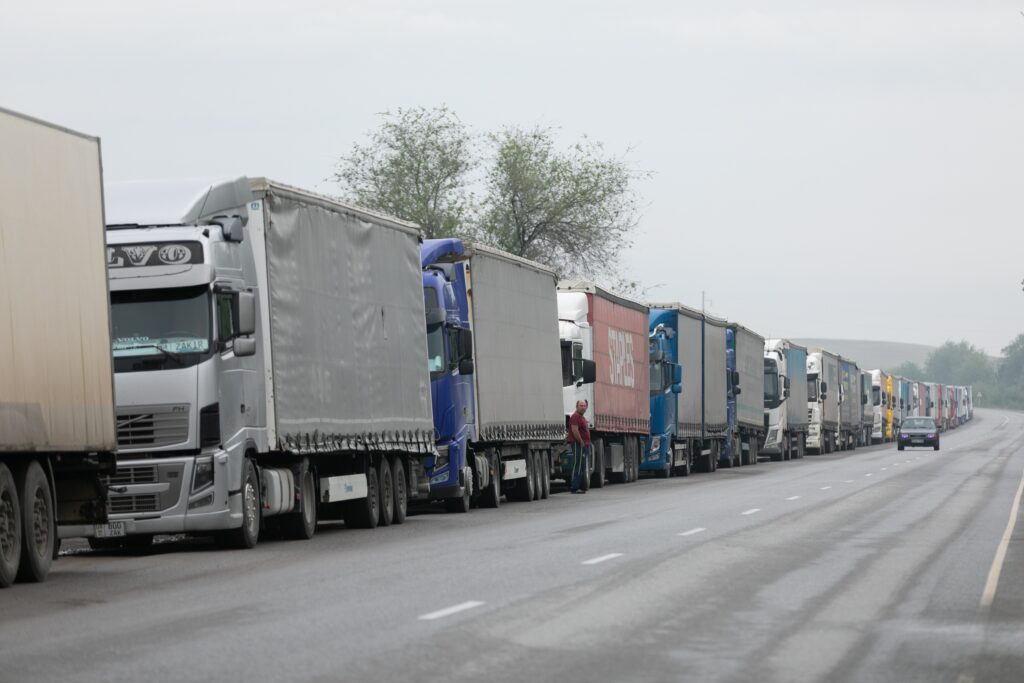
Transport operators and local authorities will now be watching closely. Photo credit: TIMUR BATYRSHIN/Shutterstock
The Spanish trade union UGT has postponed the start of an indefinite strike involving truck and bus drivers until June 22, delaying industrial action that had originally been scheduled to begin on 8 June. The decision was announced by the union’s Road Transport, Urban Transport and Logistics sector, which said it wanted to avoid disrupting travel during the visit of Pope Leo XIV in these coming weeks (this may come as a miracle to many)!
UGT described the move as a responsible measure aimed at preventing additional transport difficulties during a period when large numbers of people are expected to travel. The strike will affect drivers working in Spain’s road transport sector, including both passenger transport and freight services. Despite the delay, the union has confirmed that the dispute remains active and that industrial action will begin on the new date if no agreement is reached beforehand. The disagreement centres on working conditions and demands for improvements for professional drivers, particularly older workers approaching retirement.
What does the postponement mean
For residents, businesses and visitors across Spain, the postponement means transport services are expected to operate normally during the Pope’s visit and the busy early summer travel period. Areas with significant tourist activity, including Malaga, Barcelona, Benidorm and Torrevieja would likely have felt the impact of a nationwide transport strike. Bus services are particularly important in many coastal towns where large numbers of residents and tourists rely on public transport to travel between resorts, airports and city centres.
Freight transport is also critical for local businesses. A prolonged strike could affect deliveries to supermarkets, shops and hospitality businesses, especially in popular tourist destinations preparing for the summer season. By delaying the action until later in June, the union has reduced the immediate risk of travel disruption at a time when many religious events, holidays and summer journeys are expected to increase demand on Spain’s transport network.
Transport operators and local authorities will now be watching closely to see whether negotiations can resolve hopefully before the new strike date arrives.
Advice for passengers and businesses
Although no immediate disruption is expected, residents and travellers should remain aware of developments.
If you are planning to travel to and around Spain during the second half of June you should remember to do the following:
- Check regularly with your bus or coach operator before travelling.
- Monitor updates from transport companies and local authorities.
- Allow extra flexibility in travel plans after June 22.
- Consider alternative transport options such as BlaBla car, taxi service or trains especially if travelling longer distances.
For businesses that depend on road freight should:
- Review delivery schedules for late June.
- Contact suppliers about contingency plans.
- Monitor announcements from transport associations and unions.
At present, no additional action is required for journeys taking place before the planned date.
What has changed compared with the original plan?
The key difference is the timing rather than the nature of the dispute itself.
Under the original plan, the indefinite strike was due to begin on June 8, creating the possibility of disruption during the Pope’s visit to Spain and at the start of the summer travel season. Following UGT’s decision, the strike has been postponed until later in the month This means the expected increase in travel linked to the Pope’s visit will not coincide with industrial action, reducing the risk of transport problems for residents, pilgrims and tourists. It also gives unions and employers an additional two weeks to continue negotiations and potentially reach an agreement.
However, the underlying dispute remains unresolved. The union has not cancelled the strike and continues to press for improvements to working conditions and retirement arrangements for professional drivers. If talks fail, both freight and passenger transport services could still face disruption from June 22 onwards. For travellers and businesses, the postponement provides short-term certainty but does not remove the possibility of disruption later in the month. Anyone with travel plans or deliveries scheduled after the new set date should continue to monitor developments closely.
Questions regarding the strike
Does this affect existing bus and coach services if im travelling?
Yes, only if you are travelling from June 22 onwards
Should I stock up on food if the strike affects deliveries?
While a prolonged freight strike could eventually affect deliveries of fresh produce, dairy products and other short-shelf-life goods, supermarkets across Spain generally have contingency plans and existing stock levels designed to manage short-term disruption.
What happens if negotiations succeed before June 22?
If unions and employers reach an agreement, the planned strike could be cancelled or suspended. Further announcements would be made before the scheduled start date.
Attention turns to negotiations
Passengers, transport companies and businesses across Spain will now be looking towards the next key date. Further updates are expected as negotiations continue, and transport operators may issue contingency plans if an agreement remains out of reach.
For now, the immediate threat of disruption has been removed, but the possibility of a nationwide truck and bus drivers’ strike later this month remains firmly on the table.
Follow Euro Weekly News on Google News
Get breaking news from Spain, travel updates, and expat stories directly on your Google News feed.
Follow on Google NewsSign up for personalised news
Subscribe to our Euro Weekly News alerts to get the latest stories into your inbox!
By signing up, you will create a Euro Weekly News account if you don't already have one. Review our Privacy Policy for more information about our privacy practices.




Molly Grace
Molly is a British journalist and author who has lived in Spain for over 25 years. With a background in animal welfare, equestrian science, and veterinary nursing, she brings curiosity, humour, and a sharp investigative eye to her work. At Euro Weekly News, Molly explores the intersections of nature, culture, and community - drawing on her deep local knowledge and passion for stories that reflect life in Spain from the ground up.
Comments