FlixBus revives Poland’s controversial 666 bus route to Hel after years of religious backlash
By Adam Woodward • Published: 07 Jun 2026 • 10:50 • 2 minutes read
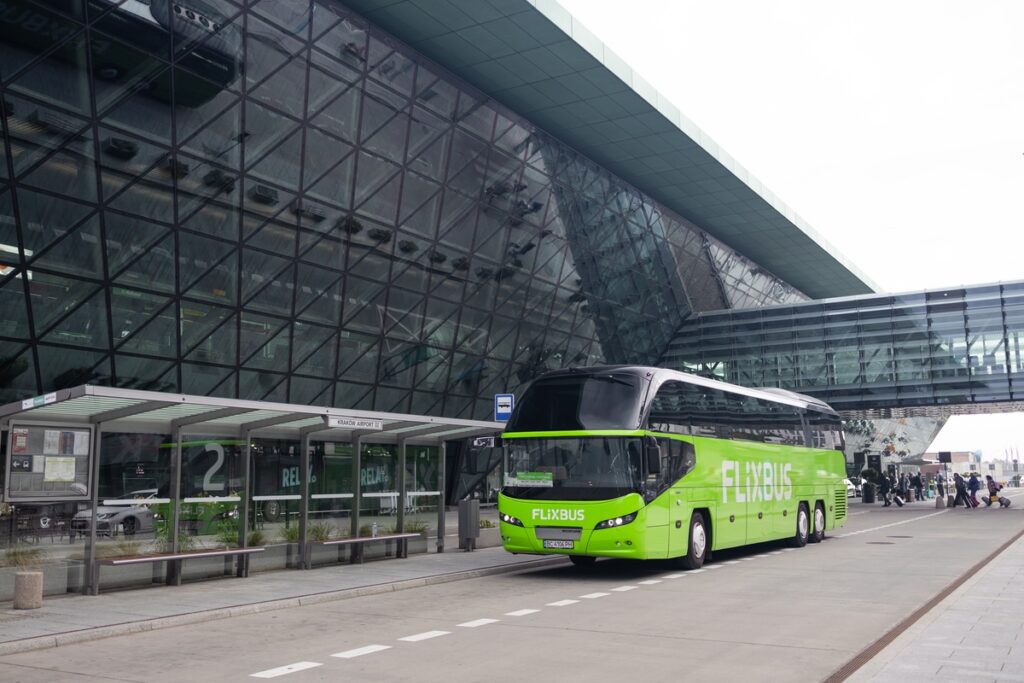
666 Flixbus stopping at Krakow Airport. Credit: Irina Shatilova - Shutterstock
FlixBus has confirmed plans to relaunch the notorious 666 bus service from Krakow to the Baltic resort town of Hel this summer. The decision revives a route previously abandoned following continuous criticism from religious campaigners who linked the number to satanic symbolism.
Route details and schedule
Passengers can board daily coaches departing Krakow at 6am and reaching Hel shortly before 8pm. The full journey lasts around 13 hours and passes through Warsaw before continuing north to the Hel Peninsula. Tickets start from around 89 zloty, with the first departures scheduled for late June. The operator chose this specific numbering deliberately to capitalise on the route’s existing fame among travellers.
Earlier cancellation due to protests
Local bus operator PKS Gdynia previously ran a similar service using number 666 until 2023. Campaigners argued the combination of the route number and destination name promoted Satanism, leading to years of complaints to company management. Officials eventually switched the number to 669 after receiving repeated requests from religious groups. Poland remains a predominantly Catholic country where church influence continues to shape public debate on cultural matters.
Marketing decision causes fresh debate
FlixBus executives stated openly that they selected 666 to increase visibility and recognition. One spokesperson described the choice as a deliberate marketing tactic hoping to draw attention to the popular summer connection. According to managing director Michal Leman, clear numbering allows passengers to quickly grasp the destination without needing further clarification. Critics now accuse the company of deliberately provoking religious sentiment for commercial gain.
Church leaders express strong opposition
Spokesman for the Gdansk Archdiocese Father Maciej Kwiecien called the decision completely incomprehensible and provocative. He argued that marketing should consider religious members of society and warned that some travellers might simply choose alternative transport. Church representatives also stated that associating the Hel Peninsula with hell damages local tourism interests and undermines efforts to promote sacred sites in the region.
Global media coverage best marketing ever
News outlets across Europe and around the World have reported extensively on the development. References to the AC/DC song Highway to Hell appear frequently in international coverage. Outlets in Britain, the United States and Ukraine have highlighted the contrast between the biblical “number of the beast” and the actual seaside destination. The story has generated widespread discussion about religious sensitivities versus commercial branding in transport.
Tourist appeal of the number
Many visitors previously stopped to photograph buses carrying the 666 designation because of its unusual combination with the final stop. The Hel Peninsula itself attracts thousands of holidaymakers each year with its long sandy beaches and popular seal sanctuary. FlixBus expects similar interest to return once services begin operating again under the original number.
Follow Euro Weekly News on Google News
Get breaking news from Spain, travel updates, and expat stories directly on your Google News feed.
Follow on Google NewsSign up for personalised news
Subscribe to our Euro Weekly News alerts to get the latest stories into your inbox!
By signing up, you will create a Euro Weekly News account if you don't already have one. Review our Privacy Policy for more information about our privacy practices.


Adam Woodward
Adam is a writer who has lived in Spain for over 25 years. With a background in English teaching and a passion for music, food, and the arts, he brings a rich personal perspective to his work at Euro Weekly News. As a father of three with deep roots in Spanish life, Adam writes engaging stories that explore culture, lifestyle, and the everyday experiences that shape communities across Spain.
Comments