Empty tables and closed doors: rising costs are forcing Britain’s restaurants to shut
By Elli Freeman • Published: 15 Jun 2026 • 5:30 • 2 minutes read
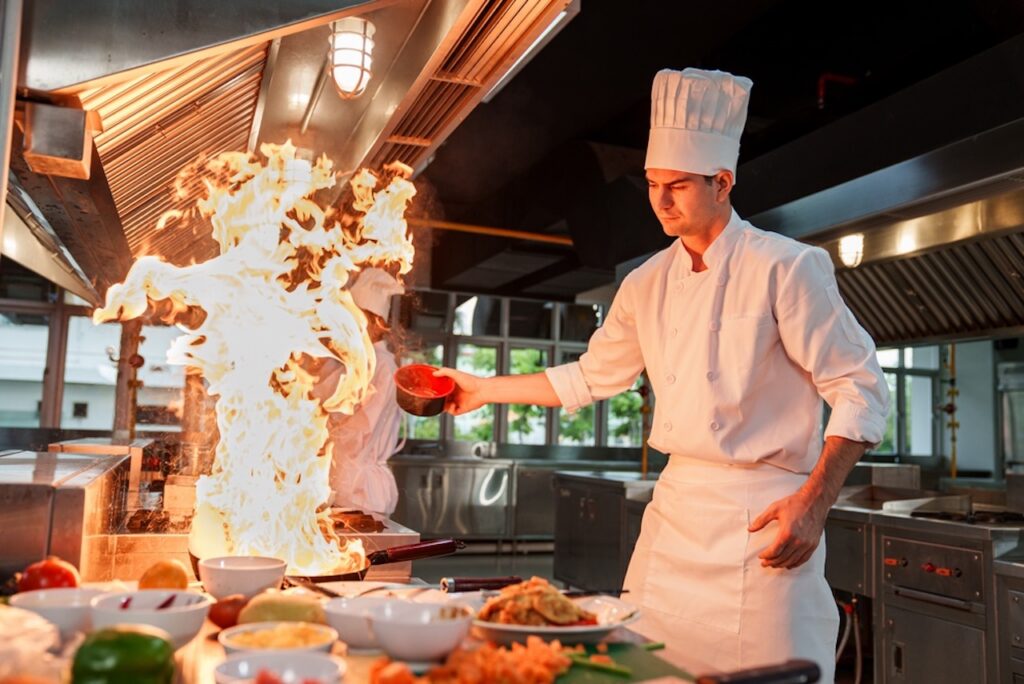
Restaurants are closing at an alarming rate Credit: Shutterstock, DJ Creative Studio
Britain was once a foodie hotspot, but in recent years the scene has dropped off, and in some places disappeared entirely.
UK restaurant closures reach crisis point
Currently, the hospitality sector is losing three establishments a day. Bars and restaurants are drowning under rising taxes, high overheads and produce costs. The reinstatement of 20 per cent VAT and the abolishment of the 40 per cent business rate discount severely impacted restaurants that were only just recovering from the pandemic. These measures have piled pressure onto businesses already operating on notoriously slim margins, leaving many owners with little room to absorb additional costs.
The USA-Israeli war is also exacerbating the problem as the cost of raw ingredients is forcing restaurants to choose between adapting the menu, upping the price or taking the loss. Food inflation, utility bills, insurance costs and rising wages have created a perfect storm for hospitality businesses across the country. Even successful operators are reporting that profits have been wiped out entirely by the combined impact of these rising expenses.
Cost of living crisis hits hospitality sector
It doesn’t help that would-be customers simply can’t afford to dine out. Money is being spent on essentials or saved for a rainy day, not spent on eating out. Even if they wanted to, many can’t afford the high prices restaurants are having to charge to stay afloat.
The result is a damaging cycle. Restaurants are forced to increase prices to cover costs, while customers cut back on discretionary spending. Many establishments are also reporting fewer bookings and lower spend per customer than in previous years. Dining out, once a regular social activity for many households, is increasingly becoming an occasional luxury.
Michelin-starred restaurants not immune
Award-winning spots are just as susceptible to closure. Since 2021, London has lost 24 of its 112 Michelin-starred restaurants. In total, Michelin-starred restaurants have reduced by more than 20 per cent across the whole of England and Wales since 2020. The closures have affected every level of the industry, from neighbourhood bistros and family-run restaurants to some of the country’s most celebrated fine-dining destinations.
Many chefs who spent years building acclaimed businesses have been forced to shut their doors despite strong reputations, loyal customers and critical success. For smaller independent venues in particular, even a modest increase in costs can prove impossible to overcome.
Impact on hospitality jobs and young workers
With each closure, a whole cohort of staff is left unemployed, from award-winning chefs to busboys and front-of-house personnel. Hospitality has typically been a reliable entry-level job, a chance for young people to get their foot on the career ladder. But with establishments closing at an extreme rate, job security is feeling like a thing of the past.
The consequences extend beyond individual businesses. Restaurants, pubs and bars support local economies, attract tourism and help create vibrant communities. If the current trend continues, Britain risks losing not only thousands of jobs but also decades of progress that transformed the country into one of the world’s most exciting food destinations. Without meaningful intervention, many fear the decline of Britain’s hospitality industry is only just beginning.
Follow Euro Weekly News on Google News
Get breaking news from Spain, travel updates, and expat stories directly on your Google News feed.
Follow on Google NewsSign up for personalised news
Subscribe to our Euro Weekly News alerts to get the latest stories into your inbox!
By signing up, you will create a Euro Weekly News account if you don't already have one. Review our Privacy Policy for more information about our privacy practices.



Elli Freeman
Originally from the UK, Elli has lived in Spain for more than half of her life. She holds a B.A in English Literature and Creative Writing. Before joining the Euro Weekly News team, Elli was an avid traveller, with a keen interest in exploring new cultures.
Comments