Tourist boat ride horror in Spain leaves woman dead after propeller accident
By Molly Grace • Updated: 06 Jul 2026 • 23:36 • 3 minutes read
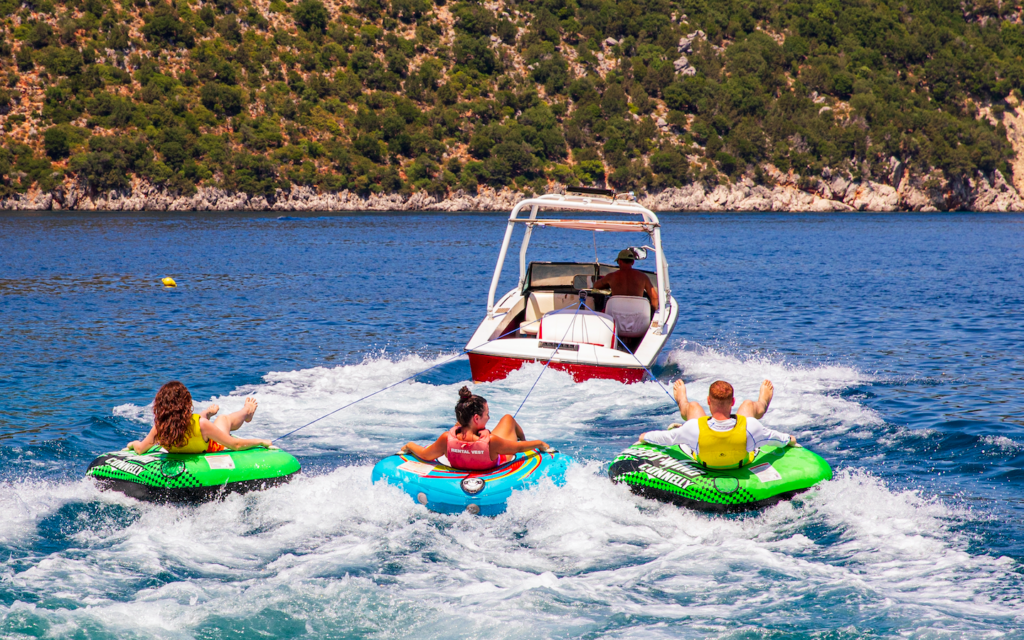
operators are trained to follow strict procedures when towing inflatable rides. Photo credit: Victoria Kurylo/shutterstock
How many times have you watched people being pulled behind boats on inflatables and thought it looked like harmless holiday fun? For thousands of families spending summer on Spain’s coast, it’s part of the holiday experience. A short burst of excitement at sea, often booked on impulse, often remembered as one of the highlights of a beach day.
Most people step off laughing, brushing off the saltwater, already talking about the next activity. But off the coast of Javea, that familiar summer scene ended in tragedy when a 36-year-old woman died after falling into the water and being struck by a boat’s propeller. What should have been a fun experience turned into a fatal accident.
The incident has raised uncomfortable questions about how these experiences are managed, and how quickly something designed purely for fun can take a devastating turn.
A routine summer activity that ended in tragedy
The accident took place during a towable inflatable ”donut” ride, one of the most common water-based activities offered along Spain’s coastline during the summer months. Early reports indicate that the woman was taking part in the ride when she fell into the sea. She was then struck by the propeller of the boat towing the inflatable. Emergency services were called to the scene, but despite efforts to assist her, she could not be saved.
The Guardia Civil is now investigating the exact circumstances of the incident, although initial findings suggest it was simply a tragic accident. For those who live along the coast, the news has been difficult to process, particularly at a time when these activities are at their busiest.
Why this activity feels so safe
Towable inflatables are one of the most visible attractions on Spain’s beaches. They are advertised everywhere in coastal resorts, often positioned as light-hearted, family-friendly fun that requires no experience and little preparation. The appeal is obvious. It is fast, affordable, and exciting. For many holidaymakers, it feels like one of the safest ways to experience speed on the water without needing any skill or training.
That perception is exactly what makes incidents like this so shocking. From the outside, there is very little to suggest danger. Passengers sit on an inflatable, hold on, and are towed across open water for a few minutes of adrenaline and spray. But the reality of safety depends entirely on the operation of the boat and the procedures in place behind the scenes.
What happens when something goes wrong
Marine safety experts have long highlighted that propellers remain one of the most dangerous elements of recreational boating. When a passenger falls into the water, the situation can change in seconds. The boat operator may have limited visibility of what is happening behind the vessel, especially if attention is focused on controlling the inflatable or navigating nearby traffic.
Even when engines are immediately reduced, stopping a boat completely takes time. In busy coastal areas, where multiple vessels are often operating close together, those seconds can be critical.
Operators are expected to follow strict safety procedures, including maintaining safe distances, ensuring the presence of an observer, and cutting engines immediately if a rider falls into the water. However, these processes are not always visible to passengers, who experience only the ride itself rather than the operational safety measures behind it.
A wider question for holidaymakers
Spain’s coastline sees millions of tourists every year, and water-based leisure activities are a major part of the summer economy.Jet skis, banana boats, parasailing and inflatable rides are available in almost every major resort, offering visitors a way to experience the sea beyond swimming or sunbathing.
For most people, these activities are completed safely and without incident. They are designed to be accessible, quick and enjoyable, often forming part of a wider holiday experience.
But this tragedy has reopened a question many travellers never think to ask: how closely do holidaymakers understand the safety procedures behind these activities? It is easy to assume that anything widely available on a tourist beach has been fully standardised and tightly controlled. Incidents like this show why that assumption is not always enough.
What holidaymakers should consider
No one is suggesting that people avoid water activities altogether. For many visitors, they are a core part of their holiday memories and a key reason for choosing Spain as a destination. But there are simple checks that can make a difference before taking part.
Is there a clear safety briefing before the activity begins? Are lifejackets provided and correctly fitted? Is there a dedicated observer watching the rider at all times? These are basic questions, but they are often overlooked in the excitement of a holiday experience.
A reminder that stays with the coast
Spain’s beaches remain one of Europe’s most popular destinations, and the overwhelming majority of water-based activities take place safely every day. But the coastline is also a shared space, where leisure, tourism and marine traffic operate side by side under busy summer conditions. For one family, a short ride that should have lasted only minutes ended in unimaginable loss.
Follow Euro Weekly News on Google News
Get breaking news from Spain, travel updates, and expat stories directly on your Google News feed.
Follow on Google NewsSign up for personalised news
Subscribe to our Euro Weekly News alerts to get the latest stories into your inbox!
By signing up, you will create a Euro Weekly News account if you don't already have one. Review our Privacy Policy for more information about our privacy practices.


Molly Grace
Molly is a British journalist and author who has lived in Spain for over 25 years. With a background in animal welfare, equestrian science, and veterinary nursing, she brings curiosity, humour, and a sharp investigative eye to her work. At Euro Weekly News, Molly explores the intersections of nature, culture, and community - drawing on her deep local knowledge and passion for stories that reflect life in Spain from the ground up.
Comments