Spanish residents reveal their cooling tricks that make 40°C far more bearable
By Molly Grace • Published: 06 Jul 2026 • 23:00 • 5 minutes read
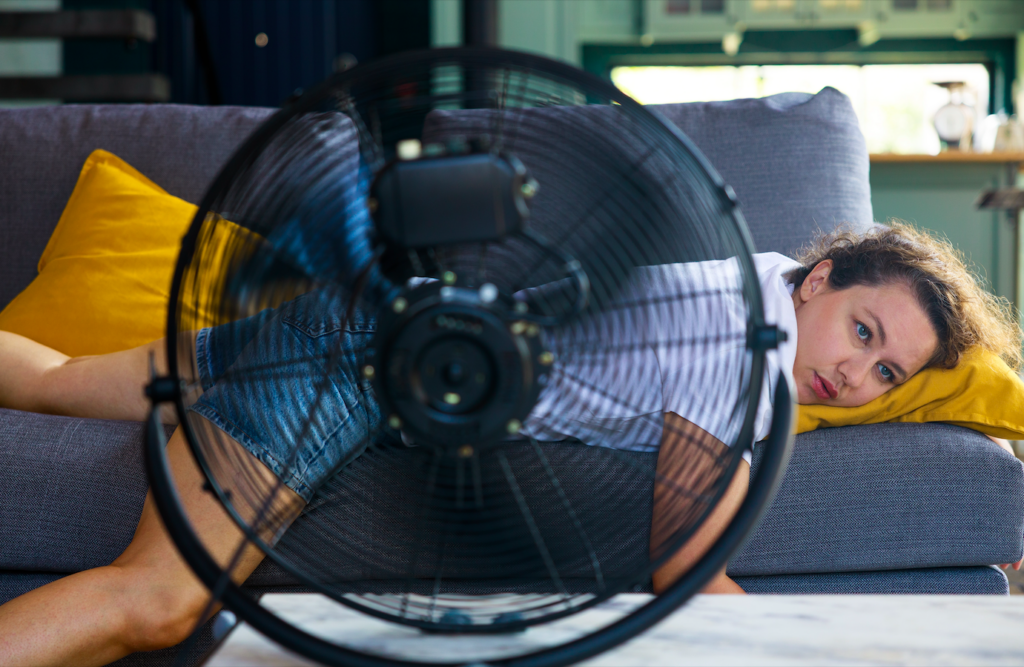
Afternoons have effectively disappeared from daily life. Photo credit: Ahmet Misirligul/Shutterstock
If you’re living in Spain right now, or arriving for the summer, you don’t need a weather forecast to understand what is happening. The moment you step outside, the heat is immediate, heavy air, bright streets, and temperatures that already feel active before the day has properly started.
Across the country, conditions are climbing again and even nights are offering little relief. But while forecasts focus on numbers, Euro Weekly News readers describe something far more practical: how everyday life actually changes when summer takes hold, and the small, repeated adjustments that make it manageable. Because in Spain, summer doesn’t just change the weather. It changes how people live.
Life reorganised around the heat
For many readers, the biggest shift is not the temperature itself, but how quickly normal routines stop working. In Almerimar, one reader described how afternoons have effectively disappeared from daily life, with activity shifting entirely into early mornings and late evenings when the heat becomes manageable again.
Others describe the same pattern in different ways, with errands brought forward and social plans pushed back. The middle of the day is no longer treated as usable time, but as something to work around. It becomes less about maintaining routine and more about rebuilding it around the sun.
Small habits that carry people through
Among readers, it is often the simplest adjustments that make the most difference. Cold water is widely treated as essential, with many saying they never leave the house without it and constantly rotate bottles between fridge and freezer so there is always something available during peak temperatures.
Food habits shift in the same direction. Frozen grapes appear repeatedly in reader messages, alongside chilled fruit and cold soups, replacing anything that requires heat or cooking during the day. But not all advice follows the same logic. Carol from Mijas challenges one of the most common assumptions about summer cooling:
“People actually believe that drinking cool drinks will cool you down but it does the opposite, the body has to heat it up making you hotter. I’ve found that drinking warm teas and infusions throughout the hottest parts of the day helps with cooling off.”
Her experience reflects something echoed by others, that in extreme heat, instinct does not always match what actually helps the body regulate temperature.
Homes adapted, not upgraded
At home, readers describe a shift in focus from reacting to heat, to stopping it from building up in the first place. Martin, living in Barcelona, explains how timing is key: “I’ve found that pulling the blinds down before 11:00am in all the rooms and allowing air flow through the entire house with a fan really helps manage the heat.”
The approach is simple, but effective. Many readers say that once the sun fully takes hold, preventing heat is far easier than trying to remove it later. Even without air conditioning, people find practical workarounds. In Alicante, Ingrid shared a method that has become increasingly common:
“I don’t have AC in my apartment so what I do is place a bowl full of ice in front of the fan either on the coffee table or bedside table and it works just as well and probably cheaper too!” It is not high-tech, but it reflects a wider pattern of adaptation, using whatever is available to create small pockets of relief.
When nights become the hardest part
If daytime heat is difficult, many readers say nights can be even more challenging. In Granada, Laurence describes how limited airflow and outside noise can make sleeping almost impossible without air conditioning. For him, the solution has been unexpected but effective:
“At night time without AC it’s insufferable. I even have to close the window due to noisy people below my bedroom. I’ve found that the bathroom is one of the coolest rooms so what I do is lie in the bath with a damp towel over me. It’s actually quite comfortable.”
Other readers have found that sometimes it’s not about buying bigger appliances, but using smaller ones that are more cost effective:
Carlsen from Chiclana says that buying two cheap portable fans has made everyday life far more comfortable:
“I have invested little over 25€ in two small portable fans. One is a neck fan, it’s wonderful, especially when doing chores around the house. The other is a clip-on desk fan I can take everywhere around the house and put in places a regular large fan wouldn’t reach.”
It’s another reminder that staying cool doesn’t always require expensive air conditioning. For many readers, it’s the small, portable solutions that make the biggest difference, particularly when moving around the house during the hottest part of the day.
In Almuñécar, Matteo takes a different approach altogether, using outdoor space to escape indoor heat: “I’m lucky to have a garden. I have brought myself a hammock with mosquito netting and I sleep outside. Sometimes I need a blanket in the early mornings.”
And in Benahavís, Maggie says nights became far more manageable once she stopped trying to cool the room and instead focused on cooling the body directly:
“I got a cooling mat for my dog and realised it actually did the job. That’s when I discovered that there are cooling mattress toppers for beds. Night times are so much more manageable now that I have one, I don’t sleep in my own sweat!”
Even clothing becomes part of survival
Over time, many readers say adaptation extends into every part of daily life, including what people wear. Margaret from Ciutadella explained how her approach changed after travelling abroad:
“I went on a trip a few years back to Dubai and I noticed how nearly everyone wears long clothing which I thought it was ridiculous in that kind of heat. It wasn’t until a local lady explained to me how wearing several layers of loose light linen actually traps the cool air keeping the body cool that I changed my summer style. Now I wear lots of loose trousers and tops which, believe it or not, actually makes a difference.” It is another example of how habits shift once experience replaces assumption.
Living with it, not fighting it
What becomes clear from readers’ experiences is that there is no single solution to Spanish summers. Instead, there is a collection of small adjustments that, over time, form a way of living. Shutters are closed earlier in the day, routines are reshaped around temperature, sleep is adapted, and even food and clothing choices change with the season.
Each change on its own is small, together, they become a system that makes the heat manageable. And while the conditions remain intense, the message from readers is consistent. Spanish summers are not something to overcome, they are something to adapt to. What do you do to endure the heat?
Follow Euro Weekly News on Google News
Get breaking news from Spain, travel updates, and expat stories directly on your Google News feed.
Follow on Google NewsSign up for personalised news
Subscribe to our Euro Weekly News alerts to get the latest stories into your inbox!
By signing up, you will create a Euro Weekly News account if you don't already have one. Review our Privacy Policy for more information about our privacy practices.




Molly Grace
Molly is a British journalist and author who has lived in Spain for over 25 years. With a background in animal welfare, equestrian science, and veterinary nursing, she brings curiosity, humour, and a sharp investigative eye to her work. At Euro Weekly News, Molly explores the intersections of nature, culture, and community - drawing on her deep local knowledge and passion for stories that reflect life in Spain from the ground up.
Comments