Could wearable air conditioning become the next summer essential in Spain?
By Molly Grace • Published: 02 Jul 2026 • 23:30 • 3 minutes read
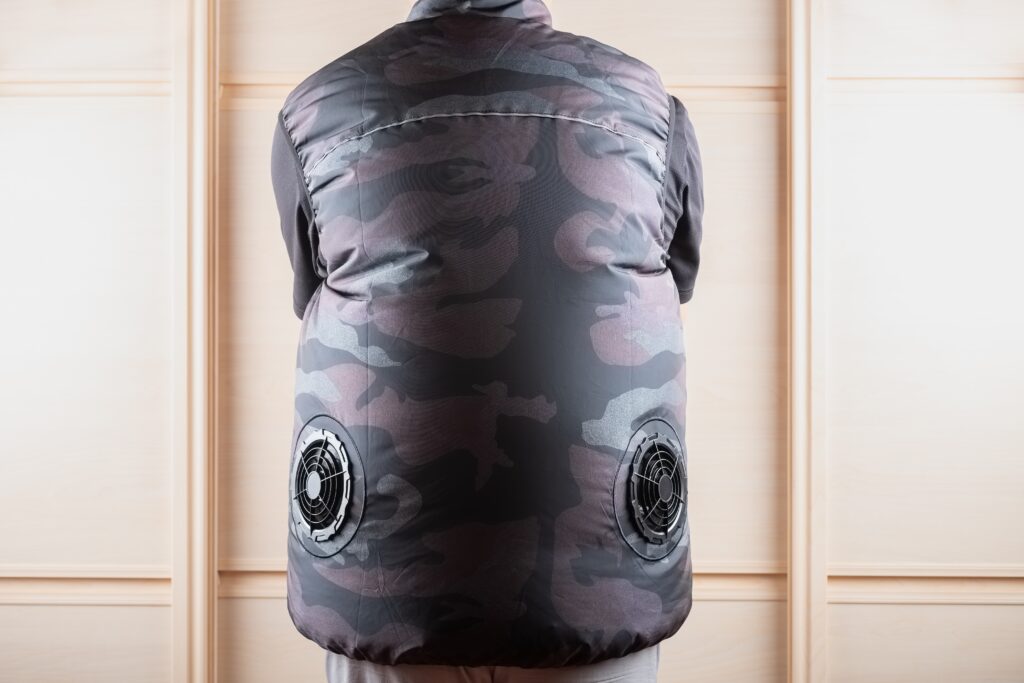
Most battery-powered cooling clothing can run for several hours before needing to be recharged. Photo credit: Freer/Shutterstock
Spain is once again enduring another summer of relentless heatwaves, with soaring temperatures making everyday life increasingly uncomfortable. Whether you’re working outdoors, sightseeing or simply walking to the shops, staying cool in hot weather is becoming more of a challenge as periods of extreme heat grow longer and more frequent. In response, companies are experimenting with clothing that actively cools the body, almost like wearing a personal air conditioner, in the hope of helping people cope with a warming climate.
One of the latest examples comes from Adidas, which has teamed up with fashion designer Rick Owens to unveil a futuristic cooling jacket. While the concept has attracted attention for its striking appearance, it is really part of a much bigger trend. Rather than creating the next fashion statement, companies are exploring how wearable air conditioning and wearable cooling technology could help people stay safer and more comfortable during increasingly hot summers.
Why companies are developing cooling clothing
Climate experts have warned that southern Europe is becoming increasingly vulnerable to longer, more frequent and more intense heatwaves. Spain has already experienced repeated periods of dangerously high temperatures this summer, prompting health alerts and renewed concerns about the risks of heat exhaustion and heatstroke.
While advice such as drinking plenty of water, staying in the shade and avoiding the hottest part of the day remains essential, these measures are not always practical for people who work outdoors. That is driving interest in new technologies that can help reduce heat stress, particularly as climate change makes extreme weather more common.
How the technology works
The Adidas concept uses built-in miniature fans alongside the company’s Climacool technology to circulate air around the body. By increasing airflow, the jacket helps sweat evaporate more efficiently, creating a cooling effect while the wearer is moving.
The project also includes a cooling vest developed for athletes competing in extreme heat, helping to lower body temperature before events in hot conditions.
Although the design looks futuristic, the underlying idea has been around for years. In Japan, battery-powered fan jackets have long been used by construction workers, factory employees and other outdoor labourers to make physically demanding jobs more comfortable during hot, humid summers.
It’s not just one futuristic jacket
Wearable cooling technology already extends well beyond the Adidas concept. Fan-powered work jackets, evaporative cooling vests, phase-change garments that absorb body heat and wearable neck coolers are already available in Europe, particularly for people who work in high temperatures or spend long periods outdoors.
Most battery-powered cooling clothing can run for several hours before needing to be recharged, although battery life depends on fan speed and battery size. There are still practical limitations. Batteries add weight, fans produce some noise and the garments work best when they can help sweat evaporate naturally. However, as batteries become smaller and lighter, experts expect these systems to become more practical and affordable over time.
Could people in Spain eventually wear it?
If Spain heatwave conditions continue to become the norm, wearable cooling technology could eventually find a wider audience other than elite athletes.
Outdoor workers such as builders, gardeners, delivery drivers and agricultural staff are among the people who could benefit most from clothing designed to reduce heat stress. But it could also prove useful for hikers, cyclists, golfers and even tourists spending hours exploring cities such as Sevilla, Córdoba or Madrid during the height of summer.
Rather than replacing air conditioning or other heat protection measures, cooling clothing could become another tool for helping people cope with rising temperatures when staying indoors simply isn’t an option.
Is wearable cooling the future?
Wearable air conditioning is unlikely to become an everyday sight overnight, and today’s high-profile concepts remain more experimental than practical. But the technology itself is already being used in workplaces, sport and specialist industries, and it continues to evolve.
As Europe adapts to hotter summers, clothing that actively helps cool the body could become another way of living safely with extreme heat. Whether it remains a niche innovation or develops into a new category of everyday clothing remains to be seen, but one thing is clear: as temperatures continue to rise, the race to stay cool is driving innovation far beyond the air conditioner.
Follow Euro Weekly News on Google News
Get breaking news from Spain, travel updates, and expat stories directly on your Google News feed.
Follow on Google NewsSign up for personalised news
Subscribe to our Euro Weekly News alerts to get the latest stories into your inbox!
By signing up, you will create a Euro Weekly News account if you don't already have one. Review our Privacy Policy for more information about our privacy practices.





Molly Grace
Molly is a British journalist and author who has lived in Spain for over 25 years. With a background in animal welfare, equestrian science, and veterinary nursing, she brings curiosity, humour, and a sharp investigative eye to her work. At Euro Weekly News, Molly explores the intersections of nature, culture, and community - drawing on her deep local knowledge and passion for stories that reflect life in Spain from the ground up.
Comments