Google loses €4.1bn EU fight over the apps Android users see first
By Harry Dennis • Published: 02 Jul 2026 • 16:38 • 3 minutes read
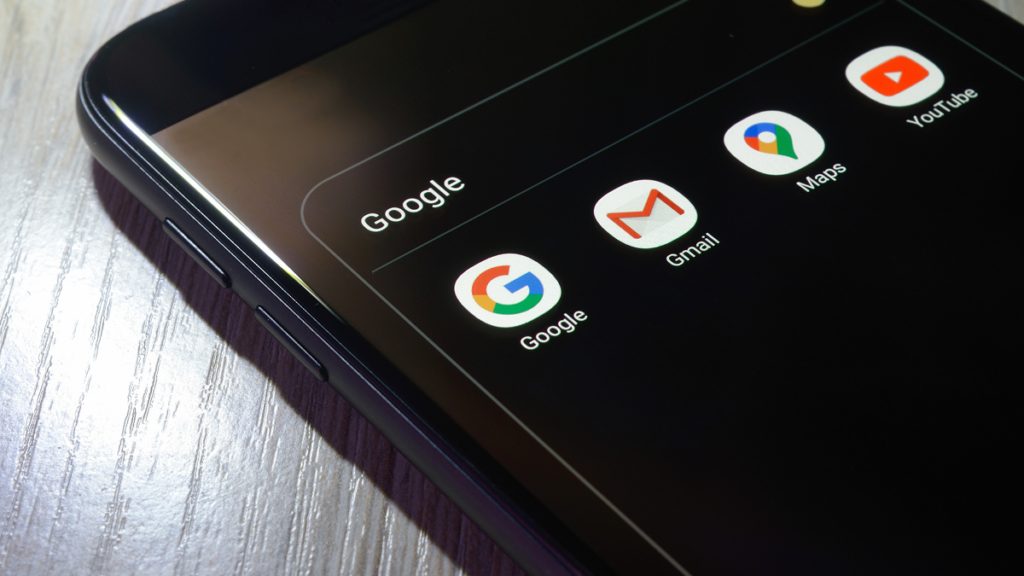
Android phone defaults are back under EU scrutiny. Credit: L-51 / Shutterstock
Many Android users never actively choose the browser or search app their phone opens first. On Thursday, July 2, Europe’s top court confirmed Google’s €4.125 billion Android fine, turning an old competition case into a fresh reminder of how phone defaults shape our digital habits, and the corporate slight-of-hand going on behind the curtains.
How Android phone defaults became a €4.1bn EU case
The Court of Justice of the European Union, known in Spain as the Tribunal de Justicia de la Unión Europea (TJUE), has dismissed the final appeal by Google and its parent company Alphabet in a long-running Android competition case.
The Luxembourg-based court confirmed the penalty imposed over Google Search’s abuse of a dominant position in the context of the Android operating system, according to the court’s own press release listing for the case of Google and Alphabet v Commission. The fine, widely reported as €4.125 billion, remains the European Union’s largest antitrust penalty.
The case began with a European Commission decision in 2018, when Brussels fined Google €4.34 billion for restrictions linked to Android mobile devices. The Commission said Google had used Android to strengthen the position of its own search engine by imposing conditions on manufacturers and mobile network operators.
The fine was later reduced by the EU’s General Court in 2022, before Google took the case to the EU’s highest court. Reuters reported that Thursday’s decision dismissed Google’s final appeal and confirmed the lower penalty.
Google’s monopoly on Android pre-installed apps
The dispute was not simply about Google Search or Chrome appearing on Android phones. It centred on whether Google used the popularity of Android to make its own services harder to avoid and rival services harder to reach.
According to the Commission’s original 2018 decision, Google required manufacturers to pre-install Google Search and Chrome as a condition for licensing the Google Play Store. It also objected to payments linked to exclusive pre-installation of Google Search and restrictions on devices using alternative versions of Android, often called Android forks.
The Commission stressed in 2018 that its decision did not challenge Android as an open-source system or the Android operating system itself. Its case was about specific contractual restrictions imposed around Google’s own apps and services.
Google has argued that Android created choice and helped keep mobile devices competitive. After Thursday’s ruling, Reuters reported that the company said the judgment failed to recognise its investment in keeping Android open, interoperable and free, adding that it had adapted its agreements after the original 2018 decision.
Anyone using an Android phone can check which apps are set as defaults. Google’s own Android Help pages say the default browser can be changed through Settings, then Apps, then Default apps or Choose default apps, before selecting the Browser app.
The ruling isn’t a dramatic household event, but it has given people another perspective on the ongoing changes occurring in the tech industry today. The infamous search engine is now being called out and fined €4 billion for their abuse of power over Android phones, they are competing heavily with other up and coming search engines, and AI services are rapidly becoming many people’s default go-to for general enquiries.
Android AI services are already the next EU battleground
The Android case also lands at a moment when Brussels is looking beyond browsers and search bars.
In April 2026, the European Commission said it had sent preliminary findings to Google under the Digital Markets Act (DMA), the EU law designed to make large digital platforms, known as gatekeepers, fairer and more open. The Commission said the proposed Android measures were aimed at ensuring third parties have effective access and interoperability with key Android capabilities.
That newer process includes competing artificial intelligence (AI) services. The Commission said the proposed measures would help rival AI services interact with apps on Android devices, such as sending an email through a user’s preferred email app, ordering food or sharing a photo.
This is where the story becomes more forward-looking. The browser and search engine battles of the past are now moving into AI assistants, voice tools and automated phone tasks. And the next changes may be less about a fine already imposed and more about whether future phones make it easier to choose the services that open, search, answer and act first.
Follow Euro Weekly News on Google News
Get breaking news from Spain, travel updates, and expat stories directly on your Google News feed.
Follow on Google NewsSign up for personalised news
Subscribe to our Euro Weekly News alerts to get the latest stories into your inbox!
By signing up, you will create a Euro Weekly News account if you don't already have one. Review our Privacy Policy for more information about our privacy practices.





Harry Dennis
Born in the UK and raised on the Cádiz coast, Harry brings his background in design, music, and photography to his writing for Euro Weekly News, sharing stories that celebrate culture and lifestyle across Spain and beyond.
Comments