Spain’s summer sales could cost more than the discount saves – the traps consumers need to avoid this July
By Harry Dennis • Published: 15 Jun 2026 • 16:28 • 3 minutes read
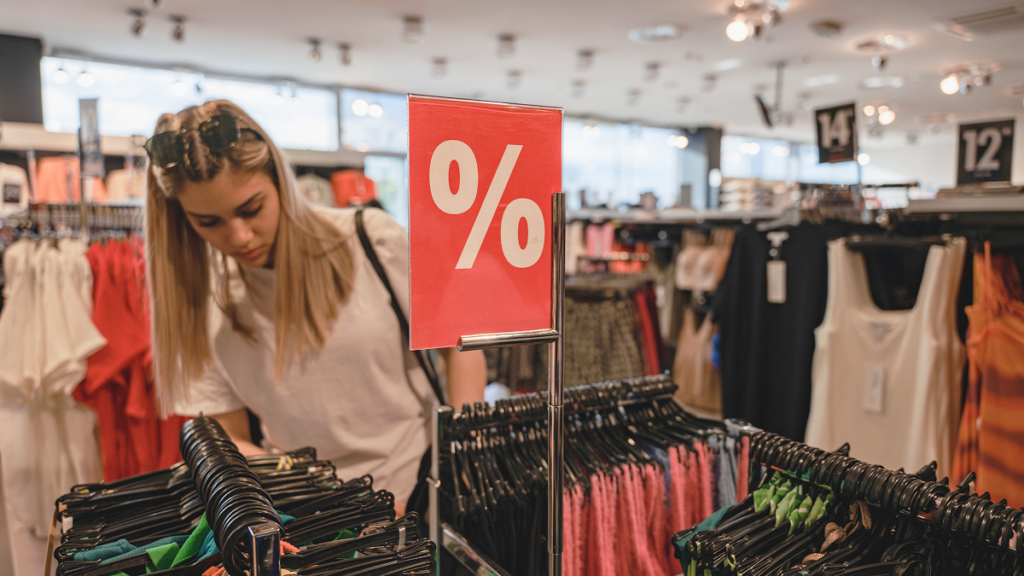
Spain's rebajas season brings big discounts — and some financial risks that are easy to miss. Credit: Vladimir Srajber / Unsplash
Spain’s European Consumer Centre has warned shoppers that summer sale discounts can mask hidden costs, misleading price displays and dangerous financing traps – particularly online. With the rebajas season now under way, here is what residents and tourists spending in Spain need to know before clicking buy.
The summer sale that ends up costing more than full price
Spain’s summer rebajas (sales) season is one of the busiest shopping periods of the year – and one of the most financially risky, according to the country’s own consumer protection authority.
The European Consumer Centre in Spain (ECC-Spain), operating under the Ministry of Consumer Affairs, published a formal warning on June 5 reminding consumers that discounts do not suspend their legal rights – and that some of the most common sales habits can leave shoppers paying far more than they expected, long after the summer is over.
What Spanish law actually requires retailers to show
One of the clearest protections Spanish and EU law provides is on price transparency. During the sales, discounted products must display the previous price alongside the new reduced one. All additional costs – taxes, delivery charges, handling fees — must also be clearly stated before purchase.
That means a retailer cannot simply show a sale price without context. If the original price is not displayed, or if fees are buried in checkout screens, that is a breach of consumer rights.
The ECC-Spain also confirmed that the minimum three-year legal guarantee on products remains fully in force during the sales. Retailers cannot quietly remove or reduce that cover just because an item is discounted. The only exception is second-hand goods, where the guarantee can be reduced to one year – but only if the consumer has been clearly informed of this before buying.
The financing trap that turns a bargain into months of debt
The warning that carries the most weight for everyday shoppers is about financing. ECC-Spain specifically flagged revolving credit cards – the type offered increasingly at online checkout with services like Klarna becoming more and more common – as a serious risk during the rebajas period.
These cards allow low monthly repayments, which can make a large purchase feel manageable in the moment. But because only a small portion of each payment goes towards the actual debt – with the rest covering interest – shoppers can find themselves repaying a summer purchase well into the following year, having paid significantly more than the original sale price.
The Centre’s advice is to check the Annual Percentage Rate (APR) before agreeing to any financing, compare the total repayment cost against the sale saving, and avoid deferred payment arrangements unless the terms are fully understood.
Online shopping during the sales carries its own risks
A significant portion of summer sale spending now happens online, and ECC-Spain’s guidance addresses this specifically. Shoppers buying remotely retain the right to return goods within 14 calendar days without needing to provide a reason. The only cost they can be required to bear is the direct cost of return, unless the seller has stated they will cover it.
With online shopping fraud on the rise, before buying, the Centre recommends verifying that the website is legitimate – checking for a registered business name, tax number, physical address and contact details in the Legal Notice or Terms and Conditions. Secure addresses beginning with “https” and payment by credit card rather than bank transfer are also advised, as they offer stronger protection if something goes wrong.
What shoppers in Spain should do before the rebajas rush
Sales rely highly on impulse purchasing, so the practical advice is to make a list of what is genuinely needed before sales begin, set a budget, and compare prices across multiple retailers before committing. Keeping receipts, invoices and order confirmations is essential for any later complaint or return.
ECC-Spain’s warning is a reminder that a discount sign does not change the rules for consumers – it just changes the price. The rights remain, but so do the traps.
Follow Euro Weekly News on Google News
Get breaking news from Spain, travel updates, and expat stories directly on your Google News feed.
Follow on Google NewsSign up for personalised news
Subscribe to our Euro Weekly News alerts to get the latest stories into your inbox!
By signing up, you will create a Euro Weekly News account if you don't already have one. Review our Privacy Policy for more information about our privacy practices.





Harry Dennis
Born in the UK and raised on the Cádiz coast, Harry brings his background in design, music, and photography to his writing for Euro Weekly News, sharing stories that celebrate culture and lifestyle across Spain and beyond.
Comments