Doctors begin fresh strike across Spain as unions warn of indefinite walkout from September
By Molly Grace • Published: 15 Jun 2026 • 17:48 • 3 minutes read
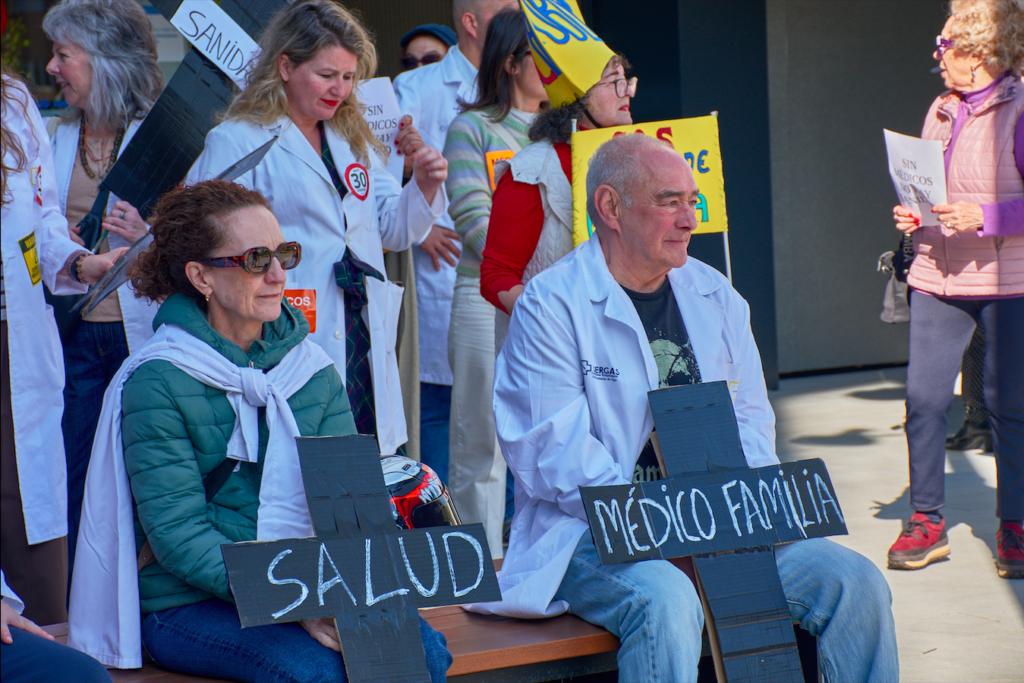
If doctors proceed with an indefinite strike in September, patients could face further delays to routine consultations. Photo credit: Uvamen/Shutterstock
Doctors across Spain have begun a fresh round of strike action today, Monday June 15, as medical unions intensify their dispute with the Ministry of Health over proposed reforms to working conditions and professional rights. The latest stoppage, which runs until 19 June, marks the fifth week of nationwide strike action this year and comes amid growing frustration among medical professionals who claim the government has failed to address their concerns.
The industrial action centres on the proposed reform of the Estatuto Marco, the legislation that regulates employment conditions within Spain’s public healthcare system. Medical unions argue that the draft reforms fail to recognise the unique responsibilities, training requirements and working conditions of doctors. Thousands of doctors have been called to participate in the strike, while demonstrations have also been organised to coincide with the latest phase of the dispute.
Dispute centres on proposed healthcare reforms
Medical organisations argue that the proposed reform of the Estatuto Marco does not adequately recognise the unique responsibilities and working conditions of doctors.
One of their principal demands is the creation of a specific professional framework for physicians, separate from other healthcare professions. They also want changes to on-call duty arrangements, limits on excessive working hours, improved rest periods and greater recognition of the years of training required to become a doctor.
According to union representatives, physicians continue to shoulder growing workloads while facing increasing pressure across hospitals and primary care centres. They argue that existing conditions are contributing to burnout, recruitment difficulties and challenges in retaining experienced professionals within the public health system.
Doctors’ groups have repeatedly stated that any reform must reflect the level of responsibility carried by medical staff, including clinical decision-making and legal accountability.
Summer truce fails to ease tensions
Despite agreeing to suspend industrial action during the summer, medical unions insist that the dispute is far from resolved.
Organisers say the pause is intended to prevent additional disruption during a period when many healthcare facilities already face staffing shortages due to annual leave and increased seasonal demand. However, they stress that the suspension should not be interpreted as a sign of progress in negotiations.
Union leaders have described an indefinite strike as a last resort but maintain that they are prepared to proceed if no substantial agreement is reached in the coming months.
They claim the ministry has yet to provide concrete responses to several of the profession’s central demands and warn that patience among healthcare workers is rapidly diminishing.
Patients could face further delays and disruption
The dispute comes at a time when many residents across Spain are already experiencing long waiting lists and appointment cancellations in both primary care and hospital services.
If doctors proceed with an indefinite strike in September, patients could face further delays to routine consultations, specialist appointments and non-urgent medical procedures. Waiting times, which are already a source of frustration in many regions, could increase significantly as healthcare centres attempt to manage reduced staffing levels.
Although emergency departments and essential services would continue to operate under minimum service requirements, non-urgent care is likely to bear the greatest impact. Patients awaiting diagnostic tests, follow-up consultations and elective surgery could experience postponements, creating additional pressure on an already stretched system.
Healthcare experts have also warned that prolonged disruption can create a backlog that takes months to clear, even after industrial action ends. As appointments are rescheduled, healthcare providers may struggle to accommodate both existing patients and new referrals, extending waiting times across the system.
Uncertain path to agreement
The Ministry of Health maintains that negotiations remain open and has expressed its willingness to continue discussions with unions and professional organisations. Government officials argue that reform of the Estatuto Marco is necessary to modernise employment conditions across the health service and improve working arrangements for healthcare staff.
However, the latest warning highlights the widening divide between doctors’ organisations and the ministry. With several months remaining before the proposed autumn action, attention will focus on whether negotiations can deliver a compromise capable of preventing one of the most significant healthcare disputes Spain has faced in recent years.
For patients already struggling to secure appointments or facing lengthy waits for treatment, the outcome of those talks could prove critical. Without an agreement, an indefinite strike risks adding further strain to a healthcare system that many residents believe is already operating under considerable pressure.
Follow Euro Weekly News on Google News
Get breaking news from Spain, travel updates, and expat stories directly on your Google News feed.
Follow on Google NewsSign up for personalised news
Subscribe to our Euro Weekly News alerts to get the latest stories into your inbox!
By signing up, you will create a Euro Weekly News account if you don't already have one. Review our Privacy Policy for more information about our privacy practices.



Molly Grace
Molly is a British journalist and author who has lived in Spain for over 25 years. With a background in animal welfare, equestrian science, and veterinary nursing, she brings curiosity, humour, and a sharp investigative eye to her work. At Euro Weekly News, Molly explores the intersections of nature, culture, and community - drawing on her deep local knowledge and passion for stories that reflect life in Spain from the ground up.
Comments