Mallorca passes law to cap car numbers on the island – what it will mean for tourists and residents when it comes into force
By Harry Dennis • Published: 16 Jun 2026 • 12:48 • 3 minutes read
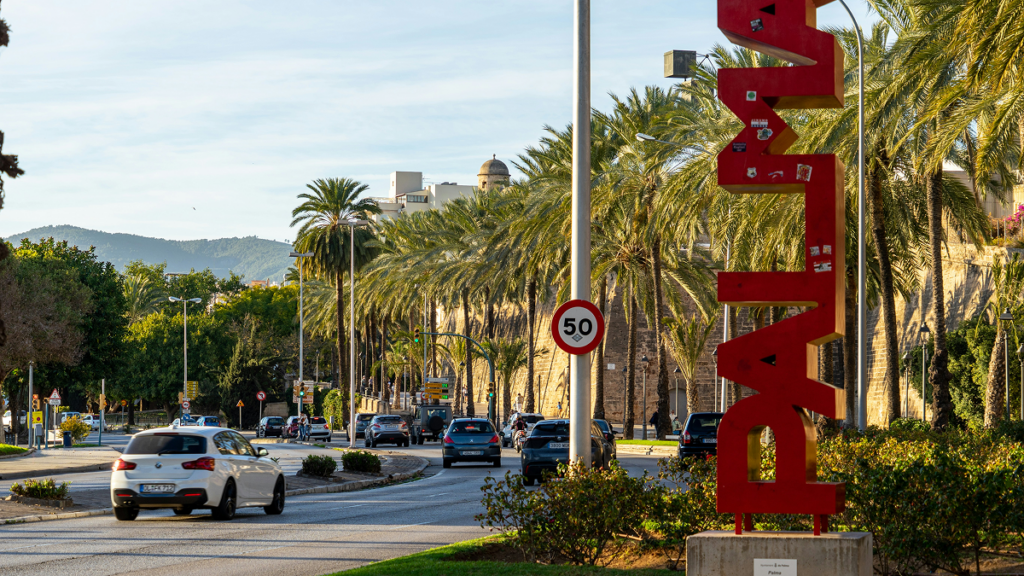
Mallorca's roads carry up to 122,000 more vehicles than they should — the new law aims to change that. Credit: David Vives / Unsplash
The Council of Mallorca has passed historic legislation to cap the number of vehicles entering the island, introduce entry fees and issue fines of up to €30,000. With parliamentary approval expected by early 2027, anyone planning a future visit or owning property on the island needs to understand what is coming.
What the law will actually do – caps, fees and fines up to €30,000
The legislation sets an annual cap on the total number of vehicles allowed on the island, with particular focus on cars not registered in the Balearic Islands. A separate quota system will also apply to hire cars – the island’s most common way for British tourists to get around.
Entry fees will apply for non-resident vehicles arriving by ferry. Shipping companies will be made responsible for managing authorisations and collecting those fees at the point of embarkation.
Video cameras installed at ports will identify licence plates to monitor compliance.
Fines for bringing an unauthorised vehicle onto the island will range from €300 to €30,000, depending on the severity of the breach.
A traffic study commissioned by the Consell found there are currently between 93,599 and 122,397 too many vehicles on the island. A second, updated study using data from 2024, 2025 and 2026 is already under way, and its findings will determine the specific annual cap figure when the law takes effect.
Mallorca becomes the first place in mainland Spain to vote for a vehicle cap
The Consell de Mallorca – the island’s governing council – passed the landmark legislation on Friday June 6. The vote, held during an extraordinary plenary session, was supported by all major parties except Vox, which abstained. It makes Mallorca the first territory in mainland Spain to pursue this kind of restriction, following similar systems already in place on Ibiza and Formentera.
The law now moves to the Balearic Parliament (the regional legislature for the Balearic Islands) for processing. Political groups will be able to submit amendments during that period. The Council’s mobility councillor Fernando Rubio has indicated the law is expected to be approved between December 2026 and February 2027, with restrictions coming into force shortly after.
Who is exempt and who is not
The exemptions are broad enough to protect many regular visitors and residents. Non-residents who own property in Mallorca are exempt – but may bring only one vehicle. Seasonal workers who can demonstrate an employment contract are also excluded. Residents of other Balearic Islands travelling to Mallorca for medical reasons, people with reduced mobility, official and public service vehicles, and commercial goods vehicles are all exempt.
The law does not, however, offer exemptions based on nationality – a point that caused friction during the vote. Vox had pushed for favourable treatment for Spanish nationals, but the Council rejected this on the grounds it would breach European Union law. The Ibiza and Formentera models, which Mallorca’s law closely follows, have not been legally challenged on that basis.
What the Ibiza model already looks like in practice
For those wondering what Mallorca’s future might look like, Ibiza offers a live example. The island has operated vehicle restrictions since 2024, with the 2026 season running from June 1 to September 30. Under the Ibiza system, permits are required for non-resident vehicles and are managed through ferry operators at the point of booking.
Mallorca is working from the same template but on a significantly larger scale. The island attracts almost 13 million tourists annually, with British visitors among the largest groups. The number of hire car permits available will be limited – the Consell has already indicated it is running a public lottery to allocate 1,060 tourist rental permits ahead of the law’s formal implementation.
What this means for anyone planning a Mallorca trip or owning property there
This summer is unaffected. Anyone already booked for Mallorca in 2026 does not need to change their plans. Hire cars remain available as normal this season.
The picture changes from 2027 onwards. Tourists intending to hire a car will need to check availability early, as the quota system will likely limit supply and push up prices. Those arriving by ferry with a non-Balearic-registered vehicle will need to confirm whether they require an authorisation and what fee applies – details that will be confirmed once the second traffic study is complete and the law is formally enacted.
Property owners who are non-residents are protected by the exemption for one vehicle, but should ensure they are registered correctly and understand the documentation requirements when the system goes live.
Follow Euro Weekly News on Google News
Get breaking news from Spain, travel updates, and expat stories directly on your Google News feed.
Follow on Google NewsSign up for personalised news
Subscribe to our Euro Weekly News alerts to get the latest stories into your inbox!
By signing up, you will create a Euro Weekly News account if you don't already have one. Review our Privacy Policy for more information about our privacy practices.





Harry Dennis
Born in the UK and raised on the Cádiz coast, Harry brings his background in design, music, and photography to his writing for Euro Weekly News, sharing stories that celebrate culture and lifestyle across Spain and beyond.
Comments