Spain introduces new electricity rules affecting millions of residents
By Molly Grace • Updated: 16 Jun 2026 • 14:21 • 3 minutes read
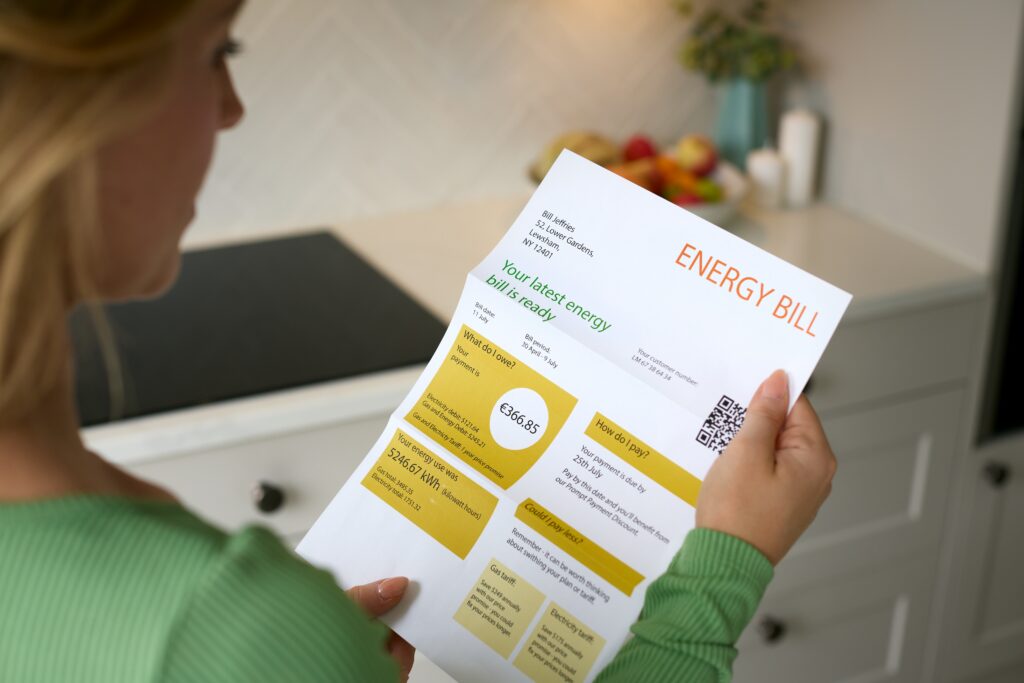
supplier changes should generally be completed within a maximum of 10 days. Photo credit: Monkey Business Images/Shutterstock
Millions of electricity users across Spain are now covered by new consumer protections after key provisions of the country’s latest electricity market reform became fully applicable on 12 June. Introduced under Royal Decree 88/2026, the measures are designed to modernise Spain’s electricity sector and strengthen consumer rights, bringing changes to supplier switching, contract transparency, protections for vulnerable households and the way energy companies interact with customers.
The reforms form part of the new General Regulation on the Supply, Commercialisation and Aggregation of Electrical Energy, approved by the government on February 11. While the decree entered into force immediately, several provisions were subject to a four-month adaptation period, giving electricity companies time to comply before the rules became mandatory. The regulation represents one of the most significant updates to Spain’s electricity market in recent years and is intended to create a more transparent, competitive and consumer-focused energy sector.
Standardised structure for electricity contracts and pricing information
One of the central components of the reform is the introduction of more uniform standards for presenting electricity contract information. Energy suppliers are now required to organise pricing structures, tariff components and contractual terms in a more consistent format. The aim is to improve comparability between different electricity products and reduce variation in how offers are structured across the market.
This standardisation applies to both regulated and market-based electricity offerings, creating a more uniform baseline for how contract data is presented. The change is intended to improve structural clarity in the retail electricity market and reduce fragmentation in product design across suppliers.
Faster processing of supplier changes across the market
The reform also introduces a streamlined process for switching electricity suppliers. Under the new framework, supplier changes are expected to be completed within a maximum of 10 days, reducing administrative processing times within the electricity system.
This adjustment is designed to improve liquidity in the retail energy market by allowing faster movement between suppliers and reducing delays in contract transfers. The shorter switching period also supports increased competition between electricity providers by improving the efficiency of contract portability across the system.
New framework for energy market participation and aggregation
The legislation establishes a clearer regulatory structure for independent energy aggregators operating within Spain’s electricity system. These entities are designed to coordinate and optimise electricity demand across multiple users, contributing to system flexibility and supporting grid balancing as renewable energy penetration increases.
The introduction of this framework reflects a broader shift towards more dynamic electricity system management, where consumption patterns can be adjusted in response to supply conditions. While still in the early stages of implementation, aggregation is expected to play a growing role in Spain’s long-term energy transition strategy.
Increased contractual standardisation across supplier offerings
Alongside changes to switching processes, the reform also reinforces consistency in how electricity contracts are structured and presented across suppliers.
This includes greater alignment in the way key contract elements are displayed, helping to reduce fragmentation in product design across the retail electricity market. The intention is not to alter pricing levels or commercial conditions directly, but to ensure that structural differences between offers are easier to identify and compare within a more uniform framework.
What the changes mean for residents in Spain
For most residents, the most immediate impact will be a reduction in unwanted sales calls and stronger protection against misleading contracts. Consumers should experience greater transparency when comparing electricity tariffs, clearer explanations of contract terms and a simpler process when switching suppliers. The reforms also provide greater confidence that any contract entered into has been agreed with full and informed consent.
Households seeking better energy deals may benefit from the faster switching process, while vulnerable consumers will receive additional protections designed to safeguard essential electricity supplies. The changes are also expected to encourage greater competition between suppliers, making it easier for consumers to compare offers and move to tariffs that better suit their needs. Over time, this could help households make more informed decisions about their energy consumption and potentially reduce costs.
System-wide modernisation of Spain’s electricity market
Overall, the reform represents a shift towards a more standardised and digitally coherent electricity market structure. Rather than introducing new consumer-facing obligations, the focus is on improving how the system operates at an administrative and regulatory level, particularly in relation to contract mobility and information consistency.
For market participants, the changes are expected to result in more efficient processing of supplier changes and a more structured environment for electricity product design. The regulation also supports Spain’s broader alignment with European energy market integration objectives, particularly in relation to flexibility, competition and data standardisation.
Long-term direction of the electricity system
The measures introduced under Royal Decree 88/2026 form part of a wider transition towards a more integrated and responsive electricity market. As Spain continues to expand renewable generation and modernise grid infrastructure, the regulatory framework is intended to support greater efficiency in how electricity contracts are managed and transferred.
Follow Euro Weekly News on Google News
Get breaking news from Spain, travel updates, and expat stories directly on your Google News feed.
Follow on Google NewsSign up for personalised news
Subscribe to our Euro Weekly News alerts to get the latest stories into your inbox!
By signing up, you will create a Euro Weekly News account if you don't already have one. Review our Privacy Policy for more information about our privacy practices.





Molly Grace
Molly is a British journalist and author who has lived in Spain for over 25 years. With a background in animal welfare, equestrian science, and veterinary nursing, she brings curiosity, humour, and a sharp investigative eye to her work. At Euro Weekly News, Molly explores the intersections of nature, culture, and community - drawing on her deep local knowledge and passion for stories that reflect life in Spain from the ground up.
Comments