Spain shoppers face June food squeeze as lemon prices jump almost 30 per cent
By Harry Dennis • Published: 16 Jun 2026 • 14:13 • 3 minutes read
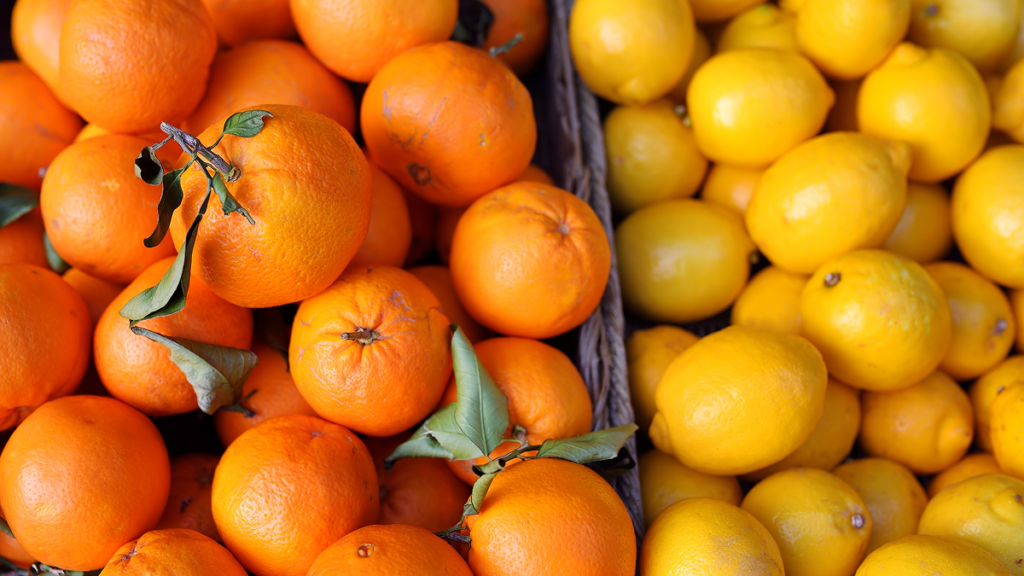
Fresh produce is putting pressure on Spain’s supermarket receipts. Credit: Maria Sbytova / Shutterstock
Supermarket shoppers in Spain are facing fresh pressure on basic food bills this June after lemons, oranges and iceberg lettuce had recorded the sharpest monthly rises among key everyday foods, with lemons now almost 30 per cent dearer than a year ago.
Why lemons are suddenly making Spain’s weekly shop feel dearer
Lemons, oranges and iceberg lettuce are the basic foods that became most expensive in Spain’s major supermarkets in June 2026, according to a new price study by FACUA-Consumers in Action.
The consumer association said the average price of lemons rose by 10.3 per cent between May and June, after already increasing by 7.4 per cent the previous month. That means lemons have become almost 18 per cent more expensive in just two months.
Over the past year, FACUA said lemons are now 29.7 per cent more expensive than in June 2025, making them the biggest yearly increase among the products analysed.
Oranges rose by 7.6 per cent in June, while iceberg lettuce increased by 4.6 per cent. FACUA’s study looked at basic foods affected by Spain’s food VAT rules across eight supermarket chains, including fruit, vegetables, pasta, eggs, flour, lentils, rice and oils.
How supermarket offers can make price rises look sharper
The average figures hide steeper rises in individual supermarkets. According to FACUA’s data, lemons at Alcampo rose from €2.69 in May to €3.59 in June, a 33.5 per cent increase.
The sharpest orange rise was reported at Mercadona, where a net of oranges increased from €5.00 to €5.75, up 15 per cent. Iceberg lettuce saw its steepest jump at Dia, rising from €0.79 to €1.09 after being on offer the previous month, a 38 per cent increase.
For households already watching the weekly shop, these changes matter because they affect routine products rather than luxuries. Lemons, oranges, lettuce, eggs, milk, rice and oil are everyday purchases until the receipt starts creeping up.
Why official inflation may not match the checkout receipt
Spain’s official inflation figures show a more controlled national picture. The National Statistics Institute said food and non-alcoholic drink inflation eased to 2.2 per cent in May, four tenths lower than the previous month.
But that does not mean every food item is stable. Fresh produce can move differently from the wider shopping basket because prices are affected by harvests, weather, availability, transport costs and supermarket promotions.
The citrus rises also have a wider context. Spain’s Ministry of Agriculture, Fisheries and Food has forecast national citrus production of 5.44 million tonnes for the 2025/2026 campaign, 11 per cent below the previous season and 14 per cent below the five-year average.
The ministry said this would be Spain’s shortest citrus crop in 16 years, with expected falls in both orange and lemon production. Heavy spring rain, high temperatures during key fruit development periods and hail damage were among the factors responsible.
How shoppers can still find cheaper basics in the basket
There was some relief elsewhere in the basket. FACUA’s figures showed that carrots fell by 4.7 per cent in June, sunflower oil by 4.4 per cent, macaroni by 1.8 per cent, olive oil by 1.5 per cent and round rice by 1.3 per cent.
Potatoes, lentils, onions and seedless white grapes also fell slightly month-on-month. On an annual basis, potatoes were down 15.3 per cent, conference pears 11 per cent and oranges 5.1 per cent, despite oranges rising in June itself.
That mixed picture is the practical point. A cheaper basket may depend less on one supermarket being permanently “cheap” and more on checking the price per kilo, comparing pack sizes, watching offers and switching fresh produce when one item suddenly jumps.
Basic foods in Spain are currently subject to the super-reduced four per cent IVA rate (VAT). This includes bread, flour, milk, cheese, eggs, fruit, vegetables, pulses, tubers and cereals, with olive oil also taxed at four per cent from January 1, 2025.
That means the latest rises are not simply explained by a new VAT shock. The price paid at the till can still move because of supply, supermarket pricing, transport costs, promotions ending or seasonal changes.
For now, a good habit to have is to check unit prices, especially on fruit nets, lettuce, oil and rice, where pack size can make a “deal” less obvious.
Follow Euro Weekly News on Google News
Get breaking news from Spain, travel updates, and expat stories directly on your Google News feed.
Follow on Google NewsSign up for personalised news
Subscribe to our Euro Weekly News alerts to get the latest stories into your inbox!
By signing up, you will create a Euro Weekly News account if you don't already have one. Review our Privacy Policy for more information about our privacy practices.




Harry Dennis
Born in the UK and raised on the Cádiz coast, Harry brings his background in design, music, and photography to his writing for Euro Weekly News, sharing stories that celebrate culture and lifestyle across Spain and beyond.
Comments