Booking a flight in Europe? A major rule change is coming for ticket prices
By Farah Mokrani • Published: 16 Jun 2026 • 14:22 • 3 minutes read
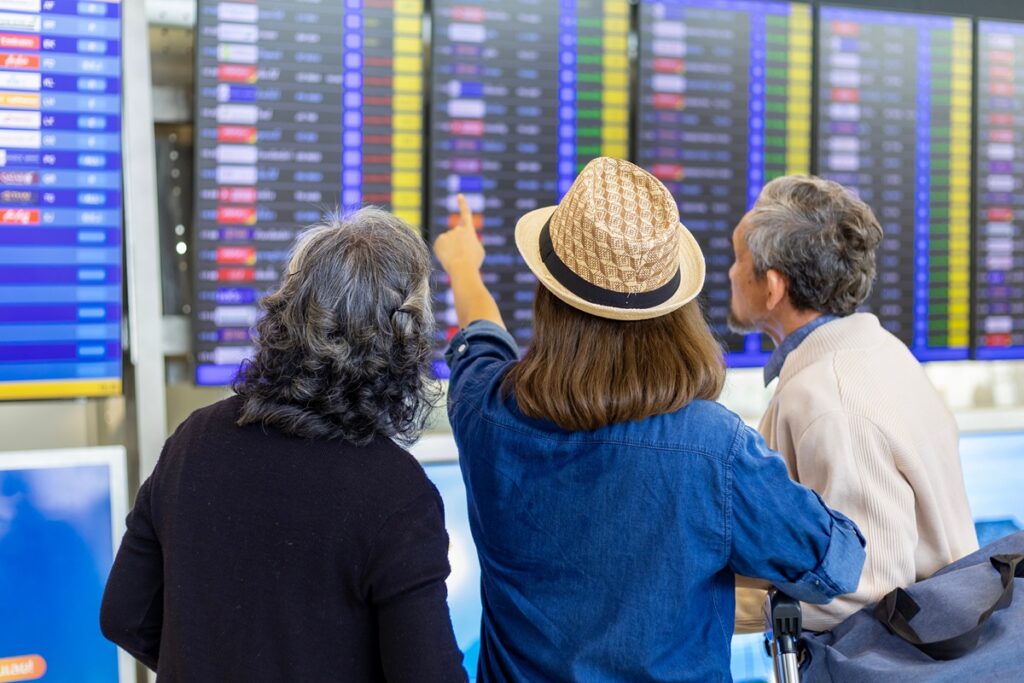
New EU airline rules could make flight prices easier for passengers to compare. Credit : Akarawut, Shutterstock
Travellers booking flights across Europe may soon find it easier to see what they are really paying for. EU countries have backed new airline pricing rules that would force carriers to show fares including a cabin bag from the start of the booking process. But despite years of debate, the proposal stops short of guaranteeing passengers free hand luggage.
Anyone who has booked a low cost flight in recent years knows the feeling. You spot a fare that looks too good to ignore, click through to book it and suddenly the final price starts climbing. A cabin bag costs extra. Choosing a seat costs extra. Travelling with family can mean paying more just to sit together.
By the time the booking is complete, the bargain fare you first saw often bears little resemblance to what ends up on your bank statement.
That frustration is one of the reasons European governments have agreed to support a new set of airline passenger rules aimed at making ticket prices easier to understand.
The proposal still needs approval from the European Parliament before becoming law, but if it goes ahead, airlines operating within the European Union will have to change how they display fares.
For passengers, the biggest change is likely to come at the very start of the booking process.
No free hand luggage but fewer surprises at checkout
One of the most closely watched parts of the negotiations concerned cabin baggage.
Several consumer groups and some governments had pushed for free hand luggage to become a guaranteed passenger right across the EU.
That idea did not make it into the final agreement.
Instead, airlines will still be able to charge passengers for cabin bags and continue offering cheaper fares to travellers who are happy to fly with less luggage.
The difference is that the initial price shown to consumers will have to include the cost of travelling with a standard cabin bag.
Supporters say that change could make comparing airlines much easier.
At the moment, two airlines may advertise similar routes at very different prices, only for baggage fees to significantly alter the final cost later in the booking process.
Under the new approach, passengers should have a clearer picture from the beginning of what a journey is actually likely to cost.
European officials involved in the discussions say the aim is not to dictate how airlines price their services but to make pricing more transparent.
In practical terms, travellers may not pay less, but they should face fewer surprises.
Why Spain voted against the agreement
Not every EU country was satisfied with the outcome. Spain opposed the final text because it believes the reforms do not go far enough.
The Spanish government has repeatedly argued that passengers should be allowed to carry hand luggage without additional charges. Ministers have pointed to previous court decisions and ongoing disputes involving low cost airlines as evidence that stronger consumer protections are needed.
Madrid has consistently taken a tougher stance on baggage fees than many other European governments.
For that reason, Spain voted against the compromise reached by member states.
However, because the proposal was supported by a qualified majority of countries, it was able to move forward despite Spanish opposition.
The disagreement reflects a broader debate that has been taking place across Europe for years.
Airlines argue that charging separately for optional services allows passengers to pay only for what they use.
Consumer advocates counter that many travellers consider a cabin bag a basic part of air travel rather than an optional extra. That argument is unlikely to disappear any time soon.
The extra rights passengers could gain
While the hand luggage debate attracted most of the attention, the package includes several other changes that could affect millions of travellers.
Families travelling together would gain stronger protections when choosing seats. Under the proposed rules, airlines would no longer be able to charge extra simply for ensuring that children sit with their parents during a flight.
Parents would also have the right to take pushchairs directly to the aircraft door, making travel with young children easier.
Another measure targets one of the most common frustrations faced by passengers: mistakes made during the booking process.
Airlines would face stricter limits on charging excessive fees for correcting minor errors on tickets, such as spelling mistakes in names.
Importantly for travellers, compensation rights for delays remain untouched.
Passengers would still be entitled to compensation ranging from €250 to €600 when delays exceed the thresholds already established under existing EU rules.
The reforms are part of a wider overhaul of passenger rights legislation that has been discussed in Brussels for more than a decade.
If the European Parliament gives its approval, airlines would have 12 months to adapt their systems before the new rules take effect.
For now, the cheapest fare on your screen may still not be the price you end up paying. But Europe appears to be moving closer to a system where passengers can at least see the real cost of their flight before they reach the checkout page.
Follow Euro Weekly News on Google News
Get breaking news from Spain, travel updates, and expat stories directly on your Google News feed.
Follow on Google NewsSign up for personalised news
Subscribe to our Euro Weekly News alerts to get the latest stories into your inbox!
By signing up, you will create a Euro Weekly News account if you don't already have one. Review our Privacy Policy for more information about our privacy practices.




Farah Mokrani
Farah is a journalist and content writer with over a decade of experience in both digital and print media. Originally from Tunisia and now based in Spain, she has covered current affairs, investigative reports, and long-form features for a range of international publications. At Euro Weekly News, Farah brings a global perspective to her reporting, contributing news and analysis informed by her editorial background and passion for clear, accurate storytelling.
Comments