The supermarket habits that surprise many newcomers to Spain
By Molly Grace • Updated: 17 Jun 2026 • 18:14 • 4 minutes read
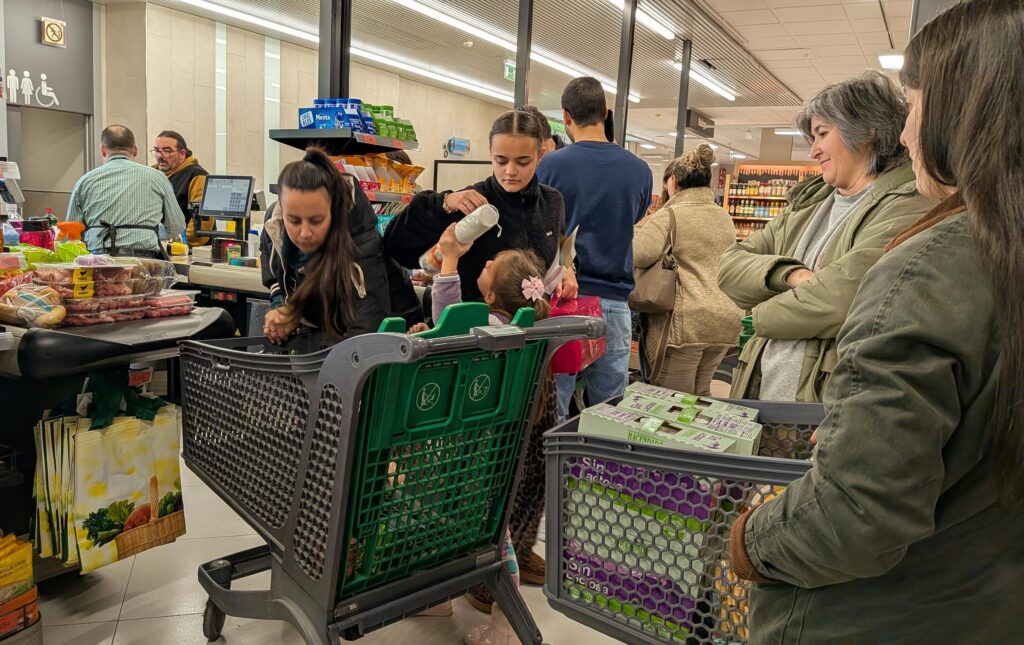
''You can be waiting for ages at the till'' Photo credit: Pat Moore/Shutterstock
Moving to Spain usually comes with the feeling of excitement and anxiety whilst you slowly get used to your new lifestyle. However, that can all stop when you realise you can’t find a jar of pickles in your local supermarket (in my case it was salad cream and jelly babies). But what can come as more of a shock is how the Spanish shop. Much like the lifestyle, it is much more ‘‘tranquilo’’ but with a few extras.
While Spain’s major supermarket chains may look familiar to those in the UK, everything from how often groceries are bought to the pace of the checkout queue is different, newcomers quickly discover that Spanish shopping habits reflect a different approach to food and daily life. We spoke to a few of our readers to find out just what it was that made them realise shopping in Spain was different.
Shopping everyday, literally!
For some, one of the biggest differences was how frequently people shop. Many households in the UK rely on large supermarket trips, filling trolleys to the brim with enough food to last a week or more. In Spain, shopping is much more like a social event, especially for the elder population who can frequently be seen talking to each other in the aisles of village supermarkets. ‘’Haciendo los mandaos’’ or ‘running errands’ is a daily routine that many end up putting into practice once they have lived here long enough.
Liesl, who has been living in Cádiz for a year, said the frequency with which people shop was one of the biggest adjustments.
“I can’t get over the amount of shopping people do here in Spain. They shop every day,” she said. “They will do small shops instead of one big weekly or monthly shop, so you will frequently see them at the supermarket getting together and discussing what meals they have planned for the day.”
What’s in the trolley
The contents of shopping baskets also differ between Spain and the UK, where supermarket trolleys often follow more predictable weekly patterns. In Spain, baskets tend to reflect immediate meals and individual routines, with less emphasis on structured bulk planning. Ready meals, convenience foods and frozen products remain more common in Britain. Spanish shoppers buy more fresh ingredients for home cooking, including olive oil, vegetables, legumes, rice, fresh fish and cured meats.
Sophie, who has been living in Granada since last year says:
“I love the simplicity and yet the randomness of the Spanish shoppers trolley content. The abuelas will have their fish, chickpeas, flour and peppers, whereas Juan who lives next door to me may have two cans of beer, a pack of jamón, a loaf of bread and some yogurts. That’s his food for the day. I love it!”
A different pace at the checkout
British residents frequently comment on how long it can take to get past the cashier. It’s like beating the ultimate boss on a video game stage of shopping here in Spain, and once you have successfully completed it you can class yourself as officially integrated into Spanish shopping culture.
Mike, who lives in Mijas, has given how he learnt to not rush the Spanish shopping process:
“You can be waiting for ages at the till. The cashier could be talking to her friend or even her mother that she will probably see later on, but they will quite happily stand there talking for 10 to 15 minutes while a huge queue forms behind them. It’s a whole new level of patience.”
Lucy, a fellow resident in Malaga also has the same opinion:
“The amount of time staff chat at the till and leisurely put through your shopping compared to the UK,” she said. “Especially in Aldi and Lidl where you are rushed through.”
Being an extremely social country, staff interaction is more common and people are more than happy to discuss little anecdotes about how their day is going, regardless of how many people are waiting or who is in a rush.
Local shops a godsend
Smaller shops remain widely used in Spain alongside supermarkets. Bakeries, fishmongers, greengrocers and markets form part of regular shopping routines, and it’s not uncommon for there to be several in a village or small town.
Liam, who has lived in Nerja for 15 years, tells us what stood out to him the most when he arrived:
“The amount of small supermarkets in the villages, there are at least 6–7 small supermarkets in a village if not more and at least one or two that’s always open on a Sunday, for me that store has saved me more than once! In the UK we might just have the CO-OP or a little corner store. There are also plenty of butchers, greengrocers and fishmongers, it reminds me of the UK 20 years ago.”
It’s not uncommon for at least one local shop to remain open on Sundays, providing more frequent access to essentials in moments of dire need than in many parts of the UK. Shopping times also differ, UK shoppers often shop earlier in the day. In Spain, supermarkets remain busy later in the evening, with many people stopping after work to get their dinner.
Price-value relation
Spanish shoppers show less loyalty to known brands compared with the UK. White-label products are widely used across major supermarkets, with value and practicality often prioritised over brands.
Carl, who first came to Spain on holiday 2 years ago before moving permanently in Torrevieja says:
“The prices of some of the wines in Lidl or Aldi, you can buy a bottle for little over €1.50. That’s cheaper than some of the expensive drinking water back home and the wine doesn’t taste too bad. It’s all down to making the right decision.”
It seems like the wine prices of the local Rioja were all it took for him to make the life-changing decision to move to Spain, and many have yet to follow.
Adapting to the Spanish shopping lifestyle
Growing accustomed to Spanish shopping culture can take some getting used to. Many find that as they start getting used to the slower way of life, so do their shopping habits along with their diet.
Meeting neighbours in the supermarket, discussing your meals for the day with the butcher, or even telling the cashier about your dentist appointment the next day are small pleasures that come with Spanish culture that many take for granted, but later look back at and think: where else in the world could we do that? Only in Spain, of course!
Follow Euro Weekly News on Google News
Get breaking news from Spain, travel updates, and expat stories directly on your Google News feed.
Follow on Google NewsSign up for personalised news
Subscribe to our Euro Weekly News alerts to get the latest stories into your inbox!
By signing up, you will create a Euro Weekly News account if you don't already have one. Review our Privacy Policy for more information about our privacy practices.




Molly Grace
Molly is a British journalist and author who has lived in Spain for over 25 years. With a background in animal welfare, equestrian science, and veterinary nursing, she brings curiosity, humour, and a sharp investigative eye to her work. At Euro Weekly News, Molly explores the intersections of nature, culture, and community - drawing on her deep local knowledge and passion for stories that reflect life in Spain from the ground up.
Comments