Spain flights could stay costly for travellers even as airlines get fuel price relief
By Harry Dennis • Updated: 22 Jun 2026 • 13:51 • 4 minutes read
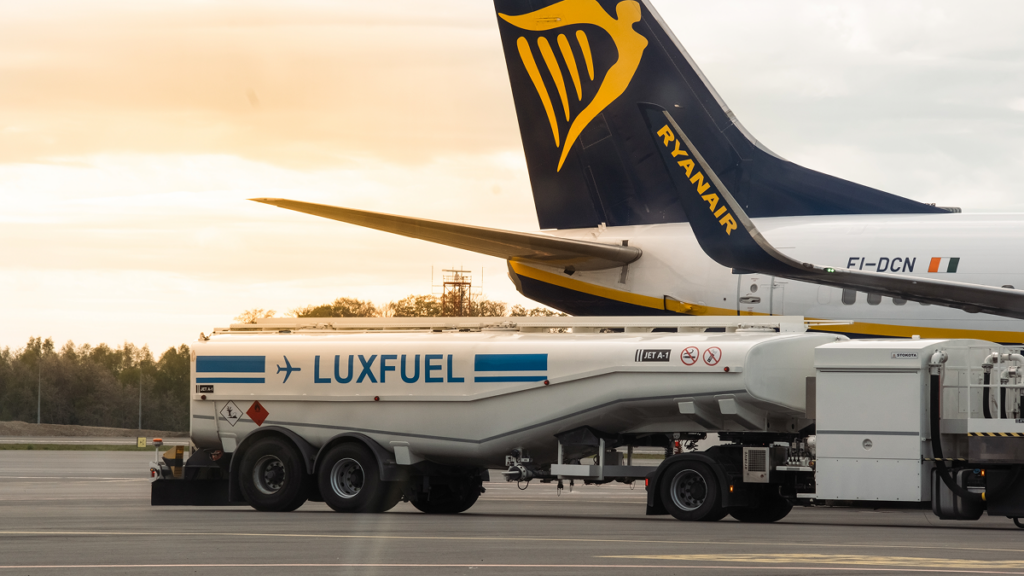
Cheaper fuel may not mean cheaper Spain flights this summer. Credit: Alexanderon / Shutterstock
Airlines are seeing fuel costs ease after an interim US-Iran peace deal, but travellers flying between Spain, the UK and Europe may not see cheaper summer tickets soon. Busy airports, tight capacity and strong demand could keep fares firm just as families make late holiday plans.
Why cheaper fuel may not mean cheaper tickets
Travellers waiting for a late summer bargain on flights to Spain may have a frustrating few weeks ahead.
Airlines could save billions on jet fuel after an interim US-Iran peace deal helped push oil and fuel prices lower, but analysts say passengers are unlikely to see an immediate drop in fares.
That matters for people booking flights between the UK and Spain, especially during the July and August peak, when many families, tourists and British residents in Spain already face high prices on popular routes.
The issue is not only the price of fuel. Airlines set fares according to demand, available seats, airport capacity and how much passengers are prepared to pay. When planes are full and routes are busy, lower fuel costs do not automatically turn into cheaper tickets.
Reuters reported that airlines may use cheaper fuel to rebuild margins before cutting fares, especially after months of higher operating costs. In Europe, analysts said long-haul fares may have more room to ease, while short-haul routes could remain firmer if demand stays strong.
How Spain’s busy airports keep pressure on fares
Spain’s airport traffic figures suggest airlines may have little reason to rush into discounts on the country’s busiest leisure routes.
Aena, Spain’s airport operator, said airports in Spain handled 30.69 million passengers in May, up 5 per cent on the same month last year.
Several airports used heavily by British tourists and foreign residents also recorded strong growth. Málaga-Costa del Sol handled 2.74 million passengers in May, up 6.3 per cent, while Alicante-Elche Miguel Hernández reached 2.07 million passengers, up 11.9 per cent. Palma de Mallorca passed 4 million passengers in the same month.
London Luton Airport, also part of the Aena group, handled 1.73 million passengers in May, up 8.2 per cent year-on-year.
If seats to Spain are already selling remarkably well, airlines have less pressure to cut prices just because fuel costs ease.
Why short European routes may stay stubbornly expensive
The short-haul routes many EWN readers rely on, including UK-Spain flights, may be among the least likely to see quick, broad-based price relief.
EUROCONTROL, the European organisation that manages air traffic flow across the continent, has warned that Europe’s aviation network is already saturated this summer. It expects traffic to grow by an average of 2 per cent compared with summer 2025, with some weeks up by as much as 5.1 per cent.
It also said close to 37,000 flights are expected on peak days, while European air traffic is still operating through only 80 per cent of the airspace available before Russia’s invasion of Ukraine. That uneven traffic distribution can create bottlenecks on the busiest days.
This does not mean every fare will rise. Prices can still fall on individual routes, quieter days or services with empty seats. But it does mean travellers should be wary of assuming that a drop in oil prices will quickly feed through to cheaper fares across Spain routes.
How extra fees can hide the real cost of a flight
As many frequent passengers will know, the headline fare is no longer the full cost of a trip.
A cheap-looking ticket can become far more expensive once cabin bags, checked luggage, seat selection, payment charges, airport transfers and awkward flight times are included.
Travellers comparing flights should check the total cost before payment, not only the first fare shown in search results. Nearby airports may also change the calculation. For some passengers, flying from or into Málaga, Alicante, Valencia, Murcia, Sevilla or Madrid may work out cheaper than the most obvious route, once transport is included.
Why already-booked passengers have stronger protection
Passengers who have already bought flights in the European Union have some protection against fuel-related surprises.
The European Commission said in May that passengers affected by cancellations continue to benefit from EU air passenger rights, including reimbursement, re-routing or return, airport assistance and compensation for last-minute cancellations where applicable.
It also said airlines must display final ticket prices upfront under EU air fare transparency rules. High fuel prices alone should not be treated as an extraordinary circumstance that removes passenger compensation rights.
That means travellers should be cautious about any demand for extra payment after a ticket has already been bought, and should keep booking confirmations, emails and receipts if a dispute arises.
How travellers can avoid a costly booking mistake
With the news of peace deals and oil and fuel prices lowering, one can get excited at the notion of immediately cheaper flights appearing on Skyscanner to visit back home or snag a quick weekend getaway. However holding out for a major price drop may backfire if seats sell out or the remaining fares rise.
For travellers who are a bit more flexible, checking midweek departures, early morning or late evening flights, nearby airports and hand-luggage-only options may still uncover savings.
The fuel market could keep moving, and some airlines may discount specific routes if demand softens. But for Spain’s busiest summer routes, cheaper fuel alone is not a guarantee of cheaper flights.
Follow Euro Weekly News on Google News
Get breaking news from Spain, travel updates, and expat stories directly on your Google News feed.
Follow on Google NewsSign up for personalised news
Subscribe to our Euro Weekly News alerts to get the latest stories into your inbox!
By signing up, you will create a Euro Weekly News account if you don't already have one. Review our Privacy Policy for more information about our privacy practices.





Harry Dennis
Born in the UK and raised on the Cádiz coast, Harry brings his background in design, music, and photography to his writing for Euro Weekly News, sharing stories that celebrate culture and lifestyle across Spain and beyond.
Comments