Holiday costs in Spain could rise as rules for tourist apartments change
By Molly Grace • Published: 29 Jun 2026 • 19:41 • 3 minutes read
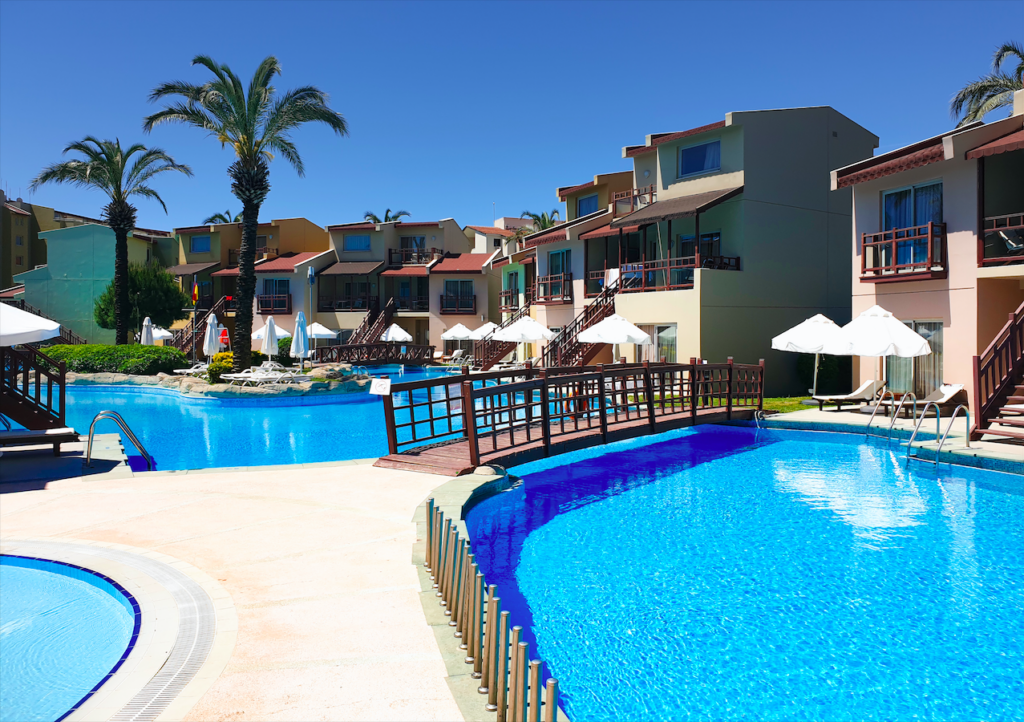
The impact of higher costs could be felt both by visitors arriving in Spain and by residents. Photo credit: Olga Vasilyeva/Shutterstock
If you’re planning a holiday in Spain this year, or even just thinking about a short break somewhere else in the country, there’s a growing worry that your accommodation budget might not stretch as far as you expected. Whether it’s a beach escape on the coast, a city break, or a weekend away, the cost of short-term rentals could be on the rise just as people are starting to lock in their summer plans.
For many travellers and residents already feeling the pressure of higher living costs, the concern is simple: will the same apartment or holiday stay suddenly cost more than it did just a few weeks ago? That question is now being raised after new tax plans targeting tourist apartments were announced in Spain, with fears that the move could push up the price of holiday rentals at exactly the wrong time.
What is changing for holiday rentals in Spain?
For anyone already thinking about booking a holiday in Spain, the concern is simple, the cost of short-term accommodation could soon start creeping up without much warning, especially during peak travel periods when demand is already high. That concern comes as Spain prepares a new housing package expected in July, which includes changes that could affect how tourist apartments are taxed.
One of the key measures being discussed is a proposed 21% VAT on tourist apartments, which would apply to many short-term rental properties used for holiday stays, including listings on platforms similar to Airbnb.
Why this could affect your holiday plans
While the details may sound technical, the real-world impact could be much more noticeable for anyone booking accommodation. If costs for tourist apartments increase, those extra charges are often passed directly onto guests. That means:
- Holiday apartments could become more expensive per night
- Peak season prices may rise even further
- Popular tourist areas could see sharper increases in demand-based pricing
- Domestic travellers in Spain could also feel the impact when booking short breaks
For families, couples, and even expats living in Spain who regularly travel within the country, it could mean needing to stretch holiday budgets further than expected.
Why is Spain making this change?
The aim of the housing plan is to respond to growing pressure on the rental market, particularly in cities and coastal areas where long-term housing has become harder to find. Officials argue that tourist accommodation has played a role in reducing the availability of homes for residents, and that adjusting taxation is one way of encouraging more properties back into the long-term rental market. The housing decree is also expected to include measures designed to stabilise rents and improve affordability for people living in Spain.
A change that affects more than just visitors
This isn’t only something for international tourists to think about. People living in Spain who regularly travel to other regions, whether for holidays, family visits or weekend breaks, often rely on tourist apartments for flexibility and affordability. That means the impact of higher costs could be felt both by visitors arriving in Spain and by residents already living here.
What could happen to prices?
It’s not yet confirmed exactly how much prices would rise in practice, but the concern is straightforward: if tax costs increase for property owners, at least part of that cost is likely to be passed on to travellers. In high-demand areas like coastal resorts, islands and major cities, even small increases per night can quickly add up over a week-long stay.
Could anything change before approval?
The change is expected to be approved in July, but housing policy in Spain has been politically sensitive, and details can still evolve before final implementation. That means the exact impact on holiday rentals could still be adjusted, softened, or delayed depending on political negotiations.
What this means for hoildays in Spain
For now, nothing changes immediately, but travellers and residents planning holidays in Spain this summer may want to keep a close eye on pricing when booking accommodation. If the measure is approved as expected, it could mark a noticeable shift in the cost of short-term stays, especially during peak holiday periods.
And for many people, the bigger concern isn’t just whether prices will rise, but how quickly those changes could filter through to the bookings already being made for the months ahead.
Follow Euro Weekly News on Google News
Get breaking news from Spain, travel updates, and expat stories directly on your Google News feed.
Follow on Google NewsSign up for personalised news
Subscribe to our Euro Weekly News alerts to get the latest stories into your inbox!
By signing up, you will create a Euro Weekly News account if you don't already have one. Review our Privacy Policy for more information about our privacy practices.




Molly Grace
Molly is a British journalist and author who has lived in Spain for over 25 years. With a background in animal welfare, equestrian science, and veterinary nursing, she brings curiosity, humour, and a sharp investigative eye to her work. At Euro Weekly News, Molly explores the intersections of nature, culture, and community - drawing on her deep local knowledge and passion for stories that reflect life in Spain from the ground up.
Comments