Community effort helps protect vulnerable beach-nesting birds on the Costa Blanca
By Anna Ellis • Published: 02 Jul 2026 • 10:12 • 2 minutes read
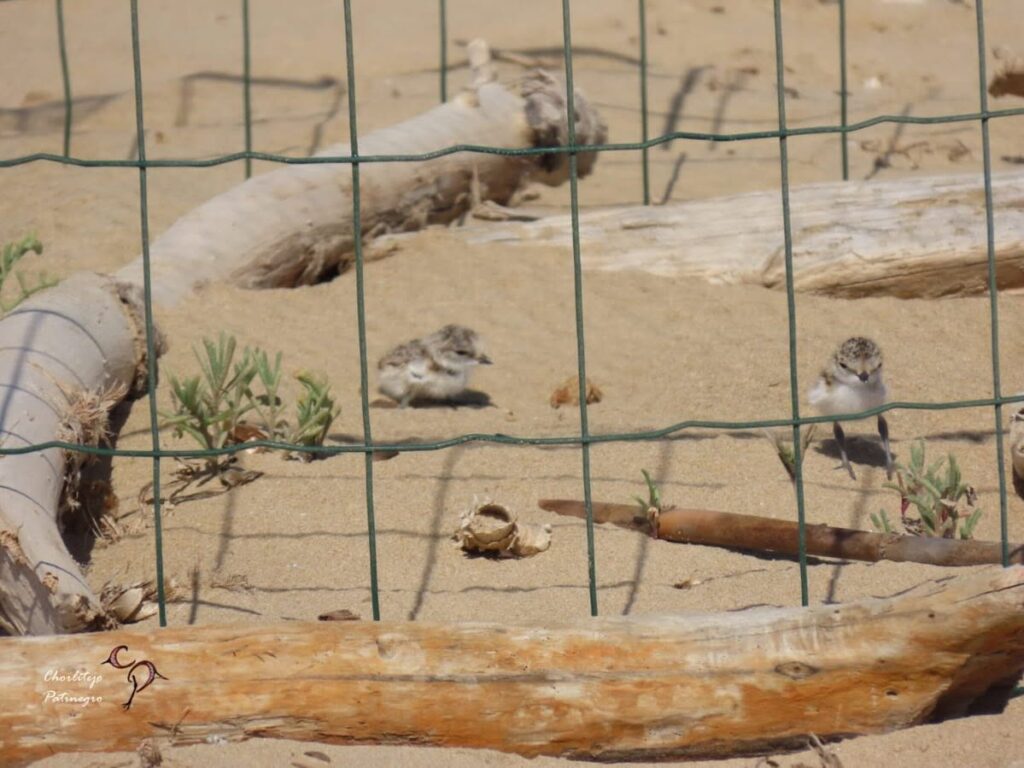
Two endangered Kentish plover chicks have hatched successfully. Credit: Ajuntament de Guardamar del Segura.
A successful conservation project on the Costa Blanca has shown how cooperation between residents, local authorities and environmental organisations can make a real difference to wildlife. Thanks to a coordinated effort involving police, conservation teams and members of the public, two vulnerable Kentish plover chicks have safely hatched on Guardamar del Segura’s coastline, providing a welcome boost for one of the Valencian Community’s protected bird species.
Tiny triumph for Kentish plovers at Les Ortigues beach
A remarkable community effort has helped two vulnerable Kentish plover chicks safely hatch and begin life on Guardamar del Segura’s Les Ortigues beach.
The tiny birds, a protected species listed as vulnerable in the Valencian Community, survived thanks to the combined efforts of local residents, police officers, conservation groups and the environmental teams from the Guardamar del Segura and Torrevieja councils.
The nest was discovered in a particularly exposed area close to a beach access walkway after concerned members of the public alerted Torrevieja’s Environmental Police Unit. With increasing numbers of beachgoers, along with dogs and other potential threats, there were fears the eggs would not survive.
Working together, specialists from both councils quickly assessed the situation and installed temporary protective fencing around the nest. The measures allowed the adult birds to continue caring for their eggs while preventing accidental disturbance from people using the beach.
Community support makes the difference
Environmental organisations, local police, naturalists and regional wildlife officers all played a part in monitoring the site, while beach visitors also embraced the project. Once the purpose of the protected area was explained, many residents and holidaymakers helped by respecting the exclusion zone and reporting any potential problems.
Their patience was rewarded when two healthy chicks successfully hatched before leaving the nest with their parents just hours later to begin life among the nearby dunes.
The Kentish plover nests directly on open sandy beaches, making it particularly vulnerable during the busy summer season when visitor numbers increase dramatically. Even unintentional disturbance can cause nests to fail, making public awareness an important part of conservation efforts.
Protecting the Costa Blanca’s natural heritage
Conservationists say the successful outcome highlights what can be achieved when local authorities, wildlife experts and the community work together to protect the area’s unique natural environment.
The project also serves as a reminder that simple actions, such as respecting temporary fenced areas and keeping dogs under control near nesting sites, can play a significant role in safeguarding vulnerable wildlife. As more people enjoy the Costa Blanca’s beaches each summer, continued cooperation will help ensure species such as the Kentish plover can continue to thrive alongside residents and visitors.
Follow Euro Weekly News on Google News
Get breaking news from Spain, travel updates, and expat stories directly on your Google News feed.
Follow on Google NewsSign up for personalised news
Subscribe to our Euro Weekly News alerts to get the latest stories into your inbox!
By signing up, you will create a Euro Weekly News account if you don't already have one. Review our Privacy Policy for more information about our privacy practices.





Anna Ellis
Anna is a writer originally from Derbyshire, UK, who has called the Costa Blanca home for the past 20 years. Living in a quiet corner of the countryside, she brings a down-to-earth perspective to life in Spain. At Euro Weekly News, Anna covers local stories and community news, drawing on her long-standing connection to the region and its people.
Comments