Filed a tax return in Spain? Hacienda may still contact residents over mistakes
By Harry Dennis • Published: 04 Jul 2026 • 14:13 • 4 minutes read
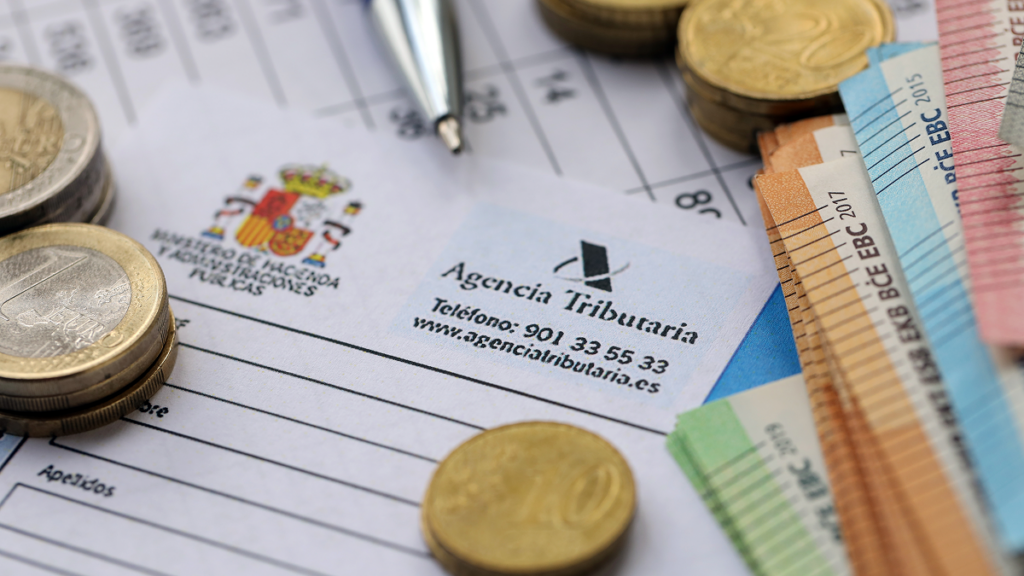
A Hacienda notice after filing a Spanish tax return is not always a fine, but it should not be ignored. Credit: Mehaniq / Shutterstock
Spain’s 2025 income tax campaign has closed, but many residents may not be finished with Hacienda yet. The Tax Agency says 53,700 taxpayers have already corrected returns after preventive warnings, meaning a letter, app alert or Renta Web notice should still be taken seriously this summer.
Why Hacienda letters may arrive after Spain’s tax deadline has passed
For many residents in Spain, filing the Declaración de la Renta brings a sense of relief. The forms are sent, the result is known, and the annual worry over income tax is supposed to be over. But for some taxpayers, the end of the campaign doesn’t mean the end of contact from Hacienda.
Spain’s Agencia Tributaria, the Tax Agency, said at the close of the 2025 income tax campaign that it had sent close to 160,000 preventive letters, as well as warnings through Renta Web and the official app, to taxpayers who had changed information already held by the administration.
These warnings are aimed at avoiding errors or omissions before they turn into later checks, interest or possible sanctions. The Tax Agency said 53,700 taxpayers had already submitted rectifying declarations after receiving one of these letters or warnings, correcting the return initially filed.
Don’t fret, a warning from the Tax Agency does not automatically mean a fine
The figure matters because many residents, especially foreign residents dealing with the Spanish tax system in a second language, can panic when a letter from Hacienda arrives.
However, according to the Tax Agency, these preventive warnings do not mean that a taxpayer has been fined or that an inspection has begun. They are issued when the taxpayer has filed a return that changes information already available to the Agencia Tributaria. That may include data from employers, banks, benefits, subsidies, property records or other sources reported to the tax office.
Hacienda says taxpayers do not have to modify their return if they believe the declaration they submitted was correct. But if they realise that an error or omission was made, they can correct it through a rectifying declaration.
Renta Web, the online income tax platform used to file returns, can provide a proposed correction with the relevant data already included.
Spain has paid €9.3 billion in tax refunds so far
The warning-letter figure came as the Tax Agency confirmed the closure of the 2025 Personal Income Tax campaign, known in Spain as Impuesto sobre la Renta de las Personas Físicas (IRPF).
According to figures published by La Moncloa and the Agencia Tributaria, Spain has already returned €9.361 billion to 12.953 million taxpayers. The Tax Agency said 25.613 million returns were filed during the campaign, 4.2 per cent more than the previous year. Of those, 16.376 million resulted in a refund and 7.475 million resulted in tax to pay.
By the close of the campaign, 79.1 per cent of requested refunds had been paid, representing 66.4 per cent of the total amount requested. That means some residents may still be waiting for money back, and a delayed refund does not necessarily mean a mistake has been found.
Simple online returns became much more common this year
The 2025 campaign also showed how many taxpayers are moving away from in-person office appointments. Renta Directa, the simplified online route for straightforward declarations that do not require changes to the draft, was used by 2.404 million taxpayers. That was 135.8 per cent more than last year, according to the Tax Agency.
Almost 883,000 declarations were also filed through the Agencia Tributaria app, while 1.216 million taxpayers used the telephone assistance plan known as “Le Llamamos”, meaning “We call you”.
For foreign residents, the shift towards online filing can be very convenient, but it also makes it easier to confirm a draft quickly without fully understanding every field and making a mistake. That is why post-filing notices should be read carefully and not ignored or put off.
Foreign residents should check the type of tax involved
The annual Renta campaign applies to people who are tax resident in Spain and must declare income under IRPF. That can include salaries, pensions, self-employed income, rental income, savings, subsidies and other taxable income, depending on personal circumstances. It should not be confused with Spain’s separate tax obligations for non-residents.
The Agencia Tributaria has a separate section for non-residents who obtain income in Spain, including people who own property in Spain but are not Spanish tax residents.
Why residents should always check official notices through trusted channels
Anyone receiving a Hacienda letter or digital notice should avoid clicking links in unexpected emails or text messages. The safest route is to access the Agencia Tributaria directly through the official website or app, using recognised identification methods such as Cl@ve, digital certificate, electronic DNI or the relevant reference number.
The Tax Agency also provides a notification and document-verification section, where taxpayers can check official communications and verify documents using a Código Seguro de Verificación (CSV), a secure verification code.
If a return was prepared by a gestor or tax adviser, the notice should be passed to them as soon as possible. If the taxpayer filed alone, the key points to check are whether Hacienda is asking for information, suggesting a correction, or simply warning that a difference has been detected.
Ignoring a genuine notice can turn into a much more expensive problem. But reacting too quickly to a fake message can also be just as risky.
Follow Euro Weekly News on Google News
Get breaking news from Spain, travel updates, and expat stories directly on your Google News feed.
Follow on Google NewsSign up for personalised news
Subscribe to our Euro Weekly News alerts to get the latest stories into your inbox!
By signing up, you will create a Euro Weekly News account if you don't already have one. Review our Privacy Policy for more information about our privacy practices.




Harry Dennis
Born in the UK and raised on the Cádiz coast, Harry brings his background in design, music, and photography to his writing for Euro Weekly News, sharing stories that celebrate culture and lifestyle across Spain and beyond.
Comments