This air conditioning mistake could cost you €3,000
By Farah Mokrani • Published: 04 Jul 2026 • 12:57 • 3 minutes read
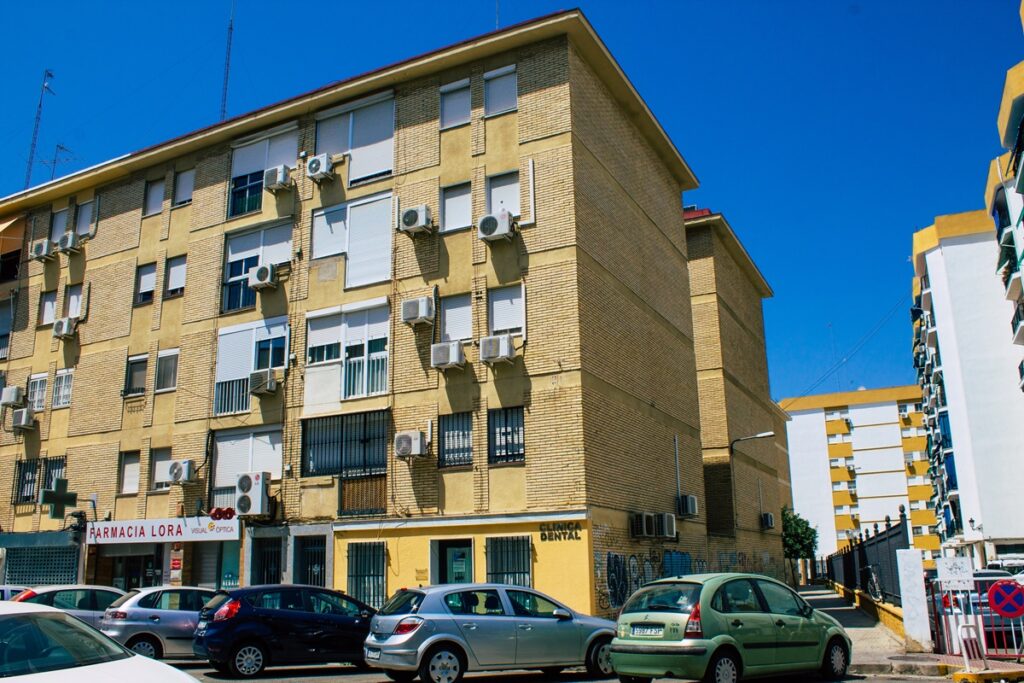
Outdoor air conditioning units fixed to the façade of a residential building in Spain. Credit : Jose HERNANDEZ Camera 51, Shutterstock
Spain’s summer heat can make air conditioning feel less like a luxury and more like a survival tool. But before calling an installer and fixing an outside unit to the façade, homeowners should check one important detail first: does your community of owners allow it?
When it comes to apartment blocks, getting air conditioning isn’t just about what you want for your own home. The part of the air conditioner that’s inside your place is one thing, but the outside part, called the condenser, can affect the whole building, its exterior, and even your neighbors. This is where a law in Spain, known as the Horizontal Property Law, becomes important.
Not getting permission first can cause a lot of problems, like people complaining or even asking you to take the unit away. In really serious cases, where you’ve broken local planning rules or harmed the environment, you could get fined up to €3,000.
Why your air conditioning unit may not be just your business
For many homeowners, the logic seems simple. You own the flat, you pay for the installation, and the machine cools your home.
When it comes to apartment buildings, the outside areas are usually shared by everyone. So, if you want to put an air conditioning unit on the outside wall, patio, or any other visible area, it could change how the building looks, its structure, or even its safety.
Spain’s Horizontal Property Law does not mention air conditioning units by name. What it does say is that owners cannot alter architectural elements, installations or services if the change affects the building’s safety, structure, exterior appearance or the rights of another owner.
That is why the safest step is to inform the community president or administrator before the installation goes ahead.
In many cases, the community may already have rules about where units can be placed, whether they must be hidden, how drainage should be managed and whether they can be visible from the street.
Noise, dripping water and façades are the real problems
Most disputes are not about the air conditioning itself. They start because of what comes with it.
A noisy air conditioning unit can be a real nuisance, especially for people living nearby, and the disturbance can be even worse at night when everyone’s trying to sleep. And if the machine isn’t installed properly, it can cause all sorts of problems, like dripping water onto balconies, pavements, or even lower floors, which can be a real hassle to clean up. Plus, in older buildings or ones that are protected for their historical significance, a visible unit can really affect the appearance of the façade, which can be a concern for people who care about preserving the original look of the building.
Sometimes, what seems like a straightforward home improvement project can quickly turn into a frustrating issue with the people living next door.
In addition to community rules, local councils often have their own set of regulations, particularly when it comes to historic areas or buildings that are protected for their architectural significance. This means that homeowners or property owners not only need to consider what their community will allow, but also need to ensure that their plans comply with the rules and regulations set by the local town hall. Essentially, there are two layers of approval to navigate: one from the community and another from the local authorities.
Safety is another factor. External units must be properly fixed because they are heavy. If the installation is insecure or creates a risk for pedestrians, the homeowner could face serious consequences.
What should homeowners do before installing air conditioning?
The best advice is : check before you install.
Ask the community administrator whether there are existing rules. If the façade is affected, request permission from the community. If the building is protected or located in a historic area, check with the local town hall too.
It is also worth asking the installer about drainage, noise levels and secure anchoring before any work begins.
You don’t have to worry about getting a huge fine just because you put in air conditioning. The big fines, like up to €3,000, are usually for really serious problems with planning or the environment. But, if you don’t follow the rules of your community or the local government, you might have to move or take out the air conditioning unit. This can happen if the installation doesn’t meet the regulations, so it’s a good idea to check first.
For people who own homes, getting air conditioning can make a big difference in the summer, but if you don’t get the right permission first, it can end up costing a lot more than you thought it would.
Follow Euro Weekly News on Google News
Get breaking news from Spain, travel updates, and expat stories directly on your Google News feed.
Follow on Google NewsSign up for personalised news
Subscribe to our Euro Weekly News alerts to get the latest stories into your inbox!
By signing up, you will create a Euro Weekly News account if you don't already have one. Review our Privacy Policy for more information about our privacy practices.





Farah Mokrani
Farah is a journalist and content writer with over a decade of experience in both digital and print media. Originally from Tunisia and now based in Spain, she has covered current affairs, investigative reports, and long-form features for a range of international publications. At Euro Weekly News, Farah brings a global perspective to her reporting, contributing news and analysis informed by her editorial background and passion for clear, accurate storytelling.
Comments