Priced out of home: Why working people are now living in caravans in Spain
By Molly Grace • Published: 07 Jul 2026 • 23:00 • 4 minutes read
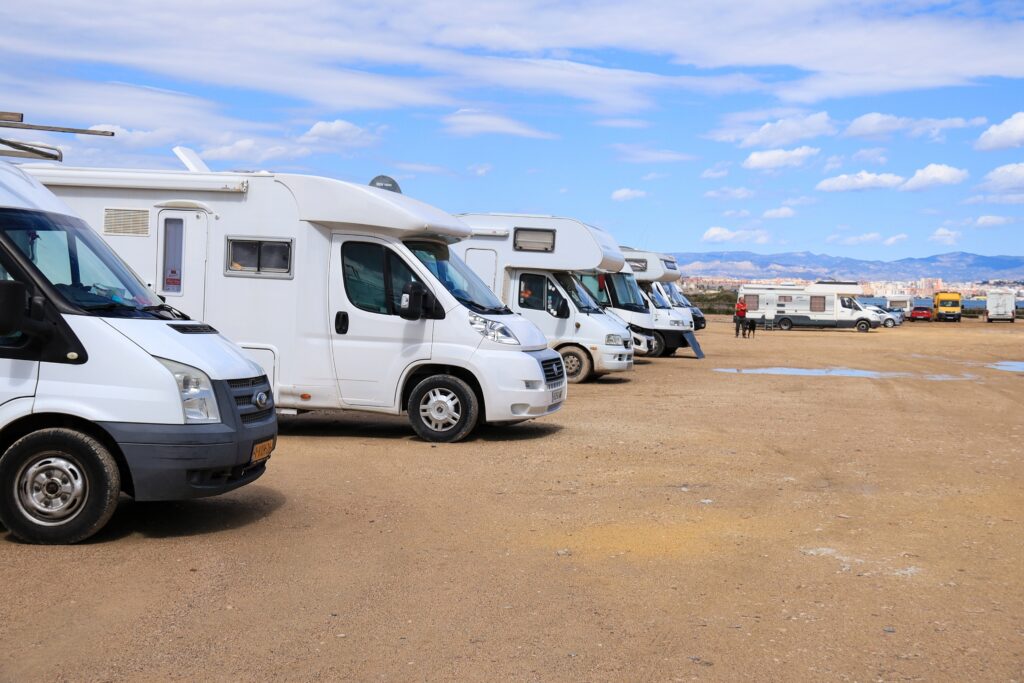
More people are living in caravans across Spain. Photo credit: Sonia Bonet/Shutterstock
For many people, living by the sea sounds like the dream. For around 100 people on Málaga’s Sacaba beach, it has become the only way they can keep a roof over their heads. Now they fear they could lose even that. Finding somewhere to live has become one of the biggest worries for people across Spain. Rents continue to climb, buying a home feels out of reach for many, and affordable housing has become increasingly difficult to find.
In cities such as Málaga, where demand has surged in recent years, many residents say they are being priced out of the very places where they work. That reality is now playing out in full view on the edge of one of the Costa del Sol’s busiest beaches. Around a hundred people remain living in caravans, camper vans and motorhomes at Sacaba despite an expected eviction that, for now, has yet to happen. For those living there, every passing day brings more uncertainty. They know they could be asked to leave at any moment, but many insist they have nowhere else to go.
“They’ll come when our guard is down”
Residents woke this week expecting the Policía local and municipal tow trucks after Málaga City Council announced plans to clear the site, instead, the morning passed quietly. that has done little to reassure the people living there. Many believe the operation has simply been delayed and fear the authorities will return once the attention surrounding the case fades. One resident summed up the mood, saying they believed officials would “throw us out when our guard is down.”
For families, pensioners and workers living at Sacaba, that uncertainty has become part of everyday life. Some have packed belongings ready to leave at short notice, while others simply wait, unsure whether tomorrow will bring another normal day or the loss of the only home they have.
This is no longer just about caravans
It would be easy to dismiss Sacaba as another dispute over illegal parking, that would miss the bigger picture. Many of the people living there are not tourists extending a holiday or travellers choosing an alternative lifestyle. They are workers, couples and families who say they have been pushed there by a housing market they can no longer afford.
Some hold down full-time jobs in Málaga. Others have lived in the city for years. Despite working, they say paying market rents has become impossible. The camper van or caravan was never meant to be permanent,It became the only realistic option.
A problem being repeated across Spain
Housing organisations have warned for years that rising rents and a shortage of affordable homes are forcing more people into increasingly precarious living situations. What was once considered unusual is becoming more common. Across Spain, more people are living in caravans, converted vans or temporary accommodation because they cannot secure a conventional rental.
Others move between campsites or informal settlements while trying to save enough money to return to permanent housing. Málaga has become one of the cities most affected by rising housing costs. Demand has grown rapidly, fuelled by population growth, tourism and international buyers, while the supply of affordable homes has struggled to keep pace. For many local workers, the result has been simple. They earn enough to work in the city, but not enough to live in it.
Residents want a solution, not a confrontation
Those living at Sacaba insist they are not refusing to cooperate, their message has remained consistent. They are asking for somewhere else to go. Residents have proposed creating an association, registering formally and opening discussions with Málaga City Council in the hope of finding an alternative location rather than simply being removed.
Housing campaign group Un Techo por Derecho, which has been supporting residents, argues that clearing the site without providing another option will not solve the housing problem. It will simply move it elsewhere.
The council has already taken action
Although the expected eviction has not yet taken place, Málaga City Council has already restricted access to the area. Fencing has been installed and new caravans have been prevented from entering, signalling that officials still intend to recover the land. Exactly when any removal operation might happen remains unclear. That uncertainty has left residents constantly watching for police vehicles or council contractors arriving at the entrance.
What happens next?
Nobody knows how long the current situation will continue, the council has not confirmed when any eviction could take place, while residents remain convinced it is only a matter of time. Whatever happens over the coming days, Sacaba has become more than a local dispute over caravans parked near the beach.
It has become another symbol of Spain’s housing crisis, for years, caravans parked beside the sea have been associated with holidays, freedom and weekends away. Today, for around 100 people on Málaga’s coastline, they represent something very different. They are kitchens, bedrooms, living rooms and, for now at least, the only homes they have left.
As the debate over housing affordability continues across Spain, Sacaba offers a stark picture of what happens when wages fail to keep up with the cost of somewhere to live. For the people waking up there each morning, the conversation about housing is no longer political or theoretical. It is about whether they will still have somewhere to sleep tomorrow.
Follow Euro Weekly News on Google News
Get breaking news from Spain, travel updates, and expat stories directly on your Google News feed.
Follow on Google NewsSign up for personalised news
Subscribe to our Euro Weekly News alerts to get the latest stories into your inbox!
By signing up, you will create a Euro Weekly News account if you don't already have one. Review our Privacy Policy for more information about our privacy practices.




Molly Grace
Molly is a British journalist and author who has lived in Spain for over 25 years. With a background in animal welfare, equestrian science, and veterinary nursing, she brings curiosity, humour, and a sharp investigative eye to her work. At Euro Weekly News, Molly explores the intersections of nature, culture, and community - drawing on her deep local knowledge and passion for stories that reflect life in Spain from the ground up.
Comments