Could Mallorca’s anti-tourism protests affect your holiday? Here’s what the controversial ‘action manual’ actually says
By Lucy Ramnought • Published: 08 Jul 2026 • 16:29 • 2 minutes read
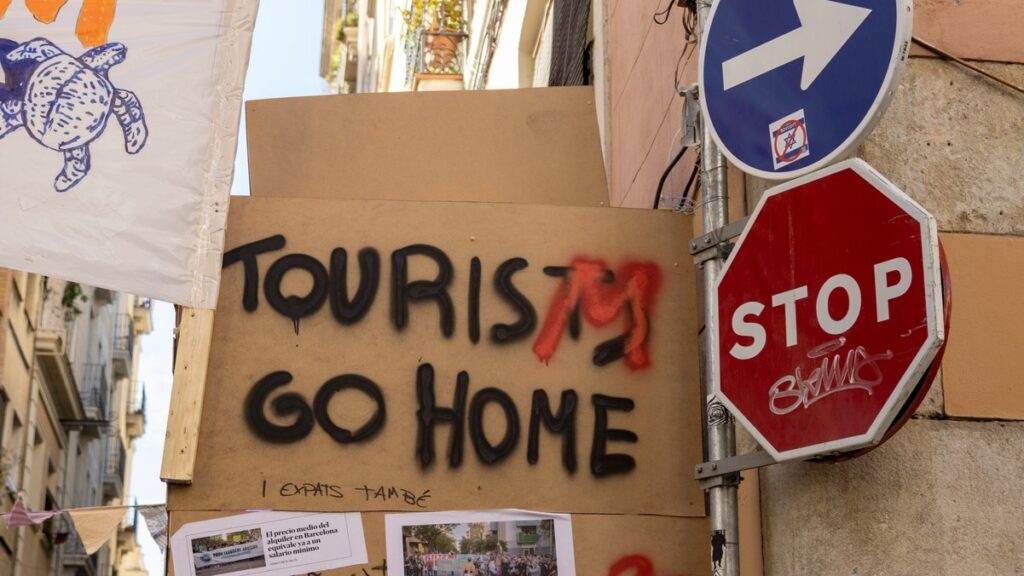
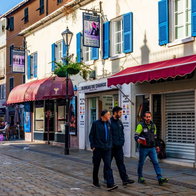
Anti-tourism acts in Spain Credit:Michiko Chiba / Shutterstock.com
If you have a holiday planned or are planning a trip to Mallorca this summer you could see more anti-tourism demonstrations after campaign groups published a controversial “action manual” aimed at businesses linked to the island’s tourism sector. Supporters describe it as a blueprint for non-violent direct action, with hoteliers and business owners arguing that its advice crosses a line. So what does the document actually contain, and should tourists be concerned?
What is Mallorca’s anti-tourism action manual?
The handbook was published by the campaign Menys Turisme, Mes Vida (“Less Tourism, More Life”) together with youth activist group Arran Mallorca ahead of planned demonstrations later this month on July 26.
According to its authors, the publication is designed to help supporters organise direct action against what they describe as the “touristification” of Mallorca. Their campaign argues that the island’s current tourism model has contributed to rising housing costs, overcrowding and increasing pressure on local communities and public services.
What has attracted the most attention is that the document goes beyond explaining the reasons behind the protests and provides practical guidance on how activists should prepare for demonstrations.
What does the manual actually say?
According to extracts published by Spanish media, the document encourages activists to identify potential targets before planning any action in detail. Supporters are advised to visit locations beforehand, survey the area, identify entrances and exits, choose escape routes and note the location of security cameras, including those operated by banks and neighbouring businesses. It also recommends considering how police or private security might respond.
The handbook suggests organising participants into specific roles before any demonstration takes place. These include deciding who will carry out the action, who will act as a lookout and who will film or photograph events. It also encourages supporters to send images of their activities through secure channels so they can later be shared on the organisations’ social media platforms.
One of the document’s most controversial sections concerns personal anonymity. Activists are being advised to wear dark, loose-fitting clothing, cover their faces and conceal distinguishing features such as tattoos, piercings and birthmarks. Business groups have cited this advice as one of the reasons they believe the publication goes beyond organising peaceful protest.
The guide also urges supporters to “be creative” in their actions. Examples reportedly include putting up campaign posters, covering façades with paint and blocking key boxes used for holiday rental properties. The document concludes by defending what it describes as “non-violent direct action” against what its authors call “a system that is suffocating us.”
Which businesses are identified and why has it caused such a strong reaction?
The document focuses on businesses and developments that campaigners associate with mass tourism, holiday rental properties, hotels, estate agents, tourism advertising and luxury developments. It as been criticised by Mallorca’s business community saying that some of its recommendations clearly go beyond peaceful protest. Advice on concealing identities and targeting specific businesses could encourage intimidation or damage to property. The campaign groups reject those claims, saying their aim is to challenge Mallorca’s tourism model and housing policies, not tourists or the people who work in the industry.
What does this mean for your holiday?
Travellers may encounter demonstrations in some parts of the island over the coming weeks, with a planned protest for July 26, but the publication itself is unlikely to have any direct impact on your holiday. Mallorca remains one of Europe’s most popular destinations, the manual has just brought attention again to the debate over tourism, housing and the rising cost of living in Spain.
Follow Euro Weekly News on Google News
Get breaking news from Spain, travel updates, and expat stories directly on your Google News feed.
Follow on Google NewsSign up for personalised news
Subscribe to our Euro Weekly News alerts to get the latest stories into your inbox!
By signing up, you will create a Euro Weekly News account if you don't already have one. Review our Privacy Policy for more information about our privacy practices.

Lucy Ramnought
Lucy Ramnought is a local news writer and mother of 4 from the UK who has lived in the Costa Del Sol for just over 4 years. With a background in content writing and social media for various companies, and with vast experience in PA and project management, Lucy is committed to producing accurate, engaging and reliable stories to her work at Euro Weekly News.
Comments