Public supermarkets could be coming to Spain. Could they make food cheaper?
By Molly Grace • Published: 08 Jul 2026 • 15:22 • 4 minutes read
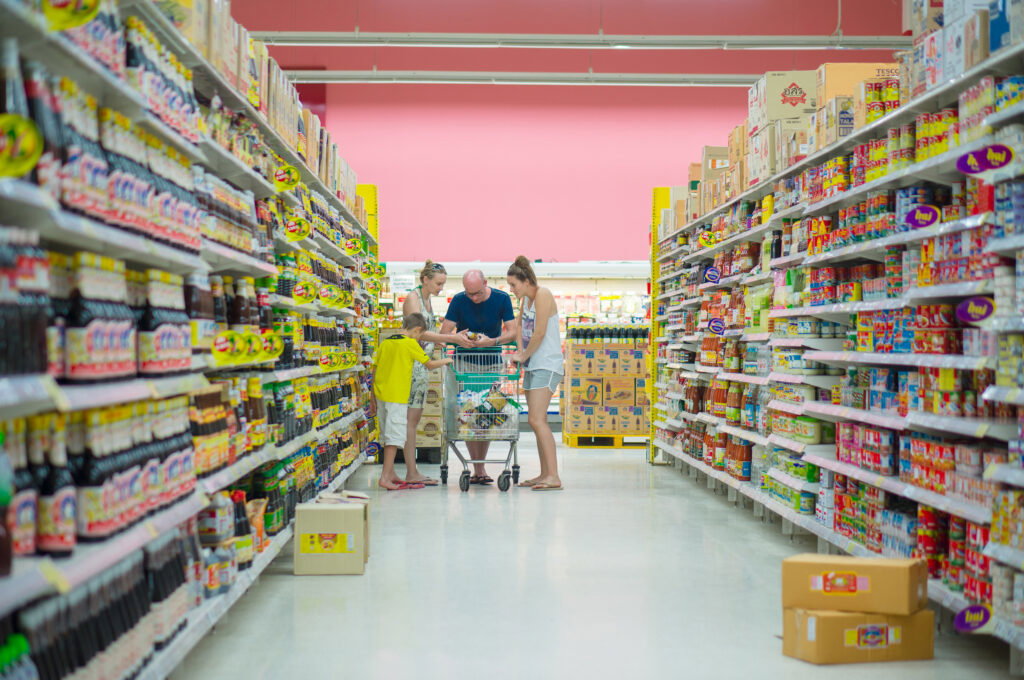
Supporters believe removing the need to generate profits could reduce prices on staple foods. Photo credit: Andrey Burstein/Shutterstock
Almost everyone has noticed it, you walk into the supermarket expecting to spend around €20, then leave wondering how an entire bag of shopping somehow cost €50. Whether it’s olive oil, fruit, vegetables or everyday essentials, grocery bills have become one of the biggest pressures on household budgets. Now a growing debate is asking a question that could resonate with families across Spain: could publicly owned supermarkets help bring prices down?
It may sound like a radical idea, but it is one attracting increasing attention. In the United States, New York mayoral candidate Zohran Mamdani has proposed opening publicly owned supermarkets as a way of making food more affordable for residents. Rather than focusing on generating profits, the stores would aim to keep prices as low as possible while improving access to healthy food. The proposal has reignited a much discussion that reaches far beyond New York. If publicly run supermarkets could work there, could they also have a place in countries like Spain, where the weekly food shop has become noticeably more expensive over recent years?
What is a public supermarket?
Unlike traditional supermarket chains, a public supermarket would be owned by a public authority rather than private shareholders. The idea is straightforward. Without the pressure to maximise profits, supporters argue that prices could be kept lower, particularly for essential goods.
Any surplus generated could be reinvested into improving services, supporting local food producers or expanding affordable food access instead of being paid to investors. That does not necessarily mean every product would suddenly become cheaper, nor would it replace existing supermarkets. Instead, advocates see it as another option in the market that could help create stronger competition while giving consumers access to lower-cost essentials.
Why the idea is gaining attention
Food prices have slightly eased compared to the sharp increases seen after the pandemic and the energy crisis, but many households still feel the difference every week at the checkout. For families balancing mortgages, rent, childcare and rising household bills, even modest increases in food costs can make a noticeable difference over the course of a month.
That is why proposals promising cheaper groceries inevitably attract attention, supporters argue that publicly owned supermarkets could help stabilise prices on everyday products while ensuring fresh, healthy food remains accessible in neighbourhoods that are often underserved by large retailers.s
Would it actually make groceries cheaper?
That is where the debate becomes more complicated, supporters believe removing the need to generate profits could reduce prices on staple foods. They also argue that publicly owned stores could negotiate directly with local producers, shortening supply chains and helping farmers receive fairer prices while keeping costs lower for consumers.
Critics, however, question whether the savings would be significant once staffing, transport, energy costs and day-to-day operating expenses are taken into account. Even without shareholder dividends, supermarkets still face substantial running costs. Refrigeration, logistics, wages, rent and maintenance remain expensive regardless of who owns the business. Some economists also warn that publicly funded supermarkets could distort competition if they receive financial support unavailable to private retailers.
Spain already has part of the answer
Spain is not starting from scratch, across the country, many municipalities already operate traditional food markets, providing spaces where local traders sell fresh fruit, vegetables, fish and meat directly to consumers. Some experts suggest these markets could evolve rather than disappear.
Instead of building entirely new supermarket networks, councils could modernise existing municipal markets, improving facilities while helping local producers compete more effectively with large retail chains. The idea would not necessarily replace private supermarkets but offer another way for residents to access affordable food.
Other countries have tried similar models
Publicly supported food retail is not a completely new concept, Mexico operates Tiendas del Bienestar, government-backed shops designed to provide essential goods in communities where affordable food is less accessible. The United States also has military commissaries, which sell groceries to service personnel and their families at reduced prices.
While neither example is identical to the proposal being discussed for New York, both demonstrate that publicly managed food retail can operate successfully under specific conditions. Whether those models could be adapted to Spain is another question entirely.
Could it work here?
Spain’s supermarket sector is already highly competitive, with major chains constantly promoting discounts, loyalty schemes and weekly offers. Introducing publicly owned supermarkets into that environment would undoubtedly spark debate. Supporters believe the additional competition could help place downward pressure on prices while strengthening local supply chains.
Critics argue the public money required to establish and operate such stores might be better invested in other measures to help households, such as targeted financial support or tax reductions. There is also the practical question of scale. Building enough stores to make a meaningful difference would require significant investment and long-term political commitment.
A debate likely to grow
For now, publicly owned supermarkets remain an idea rather than a reality in Spain. But as food prices continue to dominate conversations around kitchen tables, proposals that promise to make grocery shopping more affordable are unlikely to disappear. Whether public supermarkets ultimately become part of the solution or remain an interesting political experiment, the debate reflects a concern shared by millions of people.
Most shoppers are not interested in who owns the supermarket, they simply want to know whether next week’s shopping bill will be lower than this week’s. If public supermarkets can genuinely help answer that question, the discussion may not stay theoretical for long.
Follow Euro Weekly News on Google News
Get breaking news from Spain, travel updates, and expat stories directly on your Google News feed.
Follow on Google NewsSign up for personalised news
Subscribe to our Euro Weekly News alerts to get the latest stories into your inbox!
By signing up, you will create a Euro Weekly News account if you don't already have one. Review our Privacy Policy for more information about our privacy practices.



Molly Grace
Molly is a British journalist and author who has lived in Spain for over 25 years. With a background in animal welfare, equestrian science, and veterinary nursing, she brings curiosity, humour, and a sharp investigative eye to her work. At Euro Weekly News, Molly explores the intersections of nature, culture, and community - drawing on her deep local knowledge and passion for stories that reflect life in Spain from the ground up.
Comments