OCU warns of rising fruit and vegetable prices in Spain to hit shoppers
By Molly Grace • Published: 01 May 2026 • 17:28 • 3 minutes read
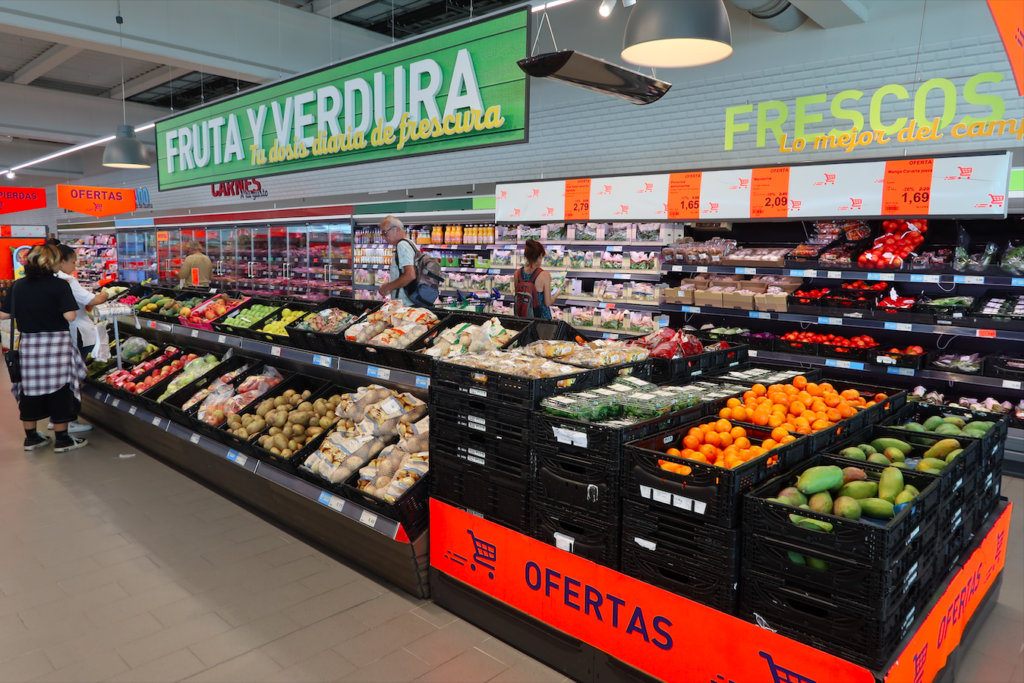
The rise in fruit and vegetable prices may be most noticeable in day-to-day shopping. Photo credit: Marco Gallo/Shutterstock
Fruit and vegetable prices in Spain rose by just over three per cent in April, according to new data from the Organización de Consumidores y Usuarios (OCU). The increase contrasts with a largely stable overall shopping basket, which saw only a minimal monthly change.
The OCU reported that fresh produce prices increased by 3.22 per cent during April. This follows a sharper rise in March, when fruit and vegetable costs climbed by 5.78 per cent. The figures point to continued upward pressure on the price of fresh food, even as other grocery items remain steady.
Fresh produce continues to outpace wider food costs
The latest figures show that while the total cost of a typical basket of goods rose by only 0.08 per cent in April, fruit and vegetables were a clear exception. This suggests that households may feel the impact most when buying fresh items rather than packaged or long-life products. According to the OCU, increases in production costs are one of the main factors behind the rise. Fertiliser prices, which are influenced by wider energy and supply pressures, have contributed to higher costs for growers.
These increases are then passed along the supply chain to retailers and, ultimately, to consumers. Weather conditions can also affect supply and pricing, particularly for fresh produce that depends on seasonal harvests. When availability is reduced, prices tend to rise.
What the increase means for residents
For residents in Spain, the rise in fruit and vegetable prices may be most noticeable in day-to-day shopping. Fresh produce is a regular part of most diets, and even small increases can add up over time. Households that rely heavily on fresh ingredients may find their weekly food spending increasing, even if overall inflation appears stable.
This can be particularly relevant for families, as well as for those who prioritise fresh and minimally processed food. At the same time, the relatively small increase in the overall basket suggests that not all food categories are affected equally. This means that changes in shopping habits can help offset some of the impact.
Ways to manage the cost of fresh produce
One of the most effective ways to reduce spending on fruit and vegetables is to buy seasonal produce. Items that are in season are generally more abundant, which helps keep prices lower. Seasonal produce is also more likely to be locally sourced, reducing transport and storage costs. Shopping at local markets can also make a difference. Many towns and cities across Spain have regular produce markets where fruit and vegetables are sold directly by growers or smaller distributors. Prices in these markets are often lower than in larger supermarkets, particularly for fresh and seasonal items.
Buying from local farmers or cooperatives is another option. In some areas, residents can purchase produce directly from agricultural producers, either at farm shops or through weekly delivery schemes. This can provide access to fresh goods at competitive prices while supporting local agriculture. Planning meals in advance can also help limit waste and reduce unnecessary spending. By choosing recipes based on what is in season or on offer, households can make better use of what they buy and avoid throwing food away.
A continuing development to watch
The increase recorded in April does not stand alone, as it follows a notable rise in March. While price movements can vary from month to month, the recent pattern suggests that fresh produce costs are under pressure. The OCU continues to monitor food prices through its regular basket analysis, providing an indication of how different categories are changing over time.
For consumers, this information can help explain why certain items are becoming more expensive, even when overall inflation remains low. For now, residents in Spain may need to pay closer attention to where and how they shop for fruit and vegetables. Choosing seasonal products, exploring local markets, and adjusting purchasing habits are practical steps that can help manage costs as prices fluctuate.
Sign up for personalised news
Subscribe to our Euro Weekly News alerts to get the latest stories into your inbox!
By signing up, you will create a Euro Weekly News account if you don't already have one. Review our Privacy Policy for more information about our privacy practices.





Molly Grace
Molly is a British journalist and author who has lived in Spain for over 25 years. With a background in animal welfare, equestrian science, and veterinary nursing, she brings curiosity, humour, and a sharp investigative eye to her work. At Euro Weekly News, Molly explores the intersections of nature, culture, and community - drawing on her deep local knowledge and passion for stories that reflect life in Spain from the ground up.
Comments