Spain responds to Trump NATO comments as tensions rise over defence spending
By Dora Urbancsek • Published: 01 May 2026 • 18:25 • 2 minutes read
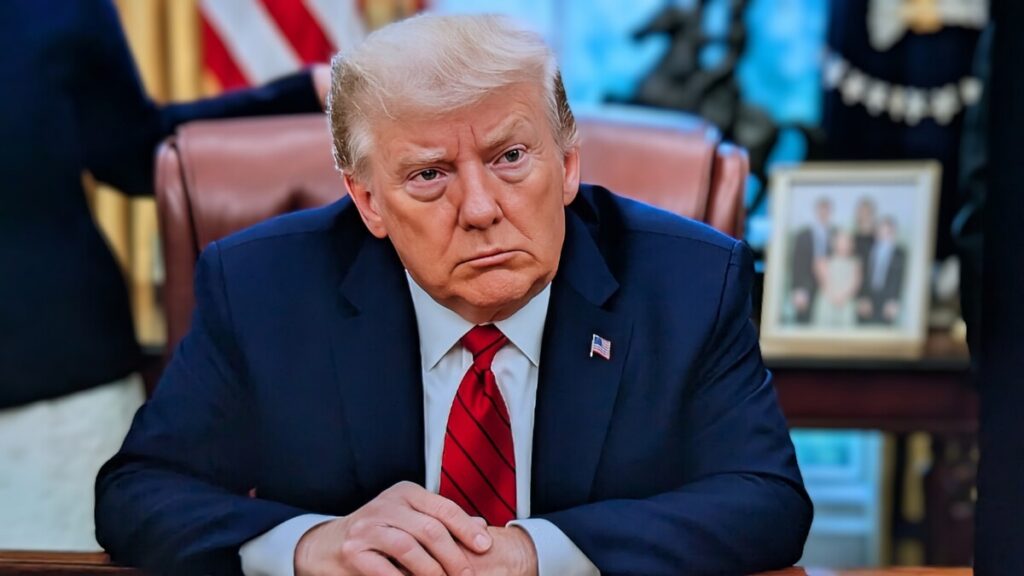
Spain has responded to recent comments by Donald Trump on NATO commitments, reaffirming its position within the alliance Credit: Shutterstock/IAB Studio
Spain has pushed back against recent comments from Donald Trump regarding NATO commitments, reaffirming its position within the alliance and signalling that pressure from abroad will not alter its current defence strategy. The response comes amid renewed debate over military spending across NATO countries, with Spain making clear that its priorities remain aligned with both European partners and long-term strategic planning.
What sparked the latest tensions
The latest exchange follows remarks from Donald Trump questioning the commitment of some NATO members, particularly those not meeting the alliance’s defence spending targets of 2 percent of GDP.
Spain has historically remained below that threshold, although it has gradually increased defence investment in recent years. Trump’s comments, widely reported in international media, reignited a familiar debate over burden-sharing within the alliance. Spanish officials responded by emphasising that defence policy is determined through national institutions and coordinated with European partners, rather than influenced by external political pressure.
Spain reaffirms its NATO commitment
In response, Spain reiterated its commitment to NATO, highlighting its participation in missions, joint operations and strategic cooperation across Europe. Government representatives stressed that Spain remains an active and reliable member of the alliance, contributing through both military presence and logistical support in key regions. Officials also indicated that discussions around defence spending are ongoing, but decisions will continue to be made within Spain’s own political and economic framework.
Why this matters for Spain in 2026
The issue of defence spending has become increasingly relevant as geopolitical tensions evolve, particularly in relation to security in Eastern Europe and broader NATO strategy. For Spain, balancing defence commitments with domestic priorities such as economic growth and public investment remains a central challenge. The government has already outlined plans to gradually increase defence spending, though not necessarily at the pace or scale suggested by some international partners.
What it means for residents and international community
While the debate is primarily political, it reflects broader shifts in Spain’s international positioning and priorities.
For international residents and observers, including many from NATO countries, the discussion highlights Spain’s role within a changing global security landscape. It also reinforces the country’s alignment with European defence strategies, rather than unilateral external pressure. At the same time, the issue remains largely separate from day-to-day life, with no immediate impact expected on domestic policies, employment or public services.
A familiar debate returning to the spotlight
Discussions around NATO contributions are not new, but they tend to intensify during periods of political transition or global uncertainty. Trump’s latest remarks have brought the issue back into focus, prompting Spain to restate its position clearly and publicly.
How Spain is expected to handle NATO pressure
As NATO continues to evolve and member states reassess their commitments, further discussions on defence spending are expected throughout 2026. For Spain, the approach appears steady: maintain alliance commitments, increase investment gradually, and ensure that national priorities remain at the centre of decision-making.
The situation is likely to remain under close observation, particularly as international political dynamics continue to shift.
Sign up for personalised news
Subscribe to our Euro Weekly News alerts to get the latest stories into your inbox!
By signing up, you will create a Euro Weekly News account if you don't already have one. Review our Privacy Policy for more information about our privacy practices.




Dora Urbancsek
Dora Urbancsek is an SEO writer with over eight years of experience producing high-quality, search-optimised journalism and digital content. Based in Spain for more than five years, she covers a wide range of topics concerning Spain and Europe, including current affairs, community stories, culture, and lifestyle. Dora is known for accurate, well-researched reporting that keeps readers informed and engaged.
Comments