New antibiotic rules in Spain explained: Fewer pills, safer use
By Molly Grace • Published: 01 May 2026 • 16:42 • 3 minutes read
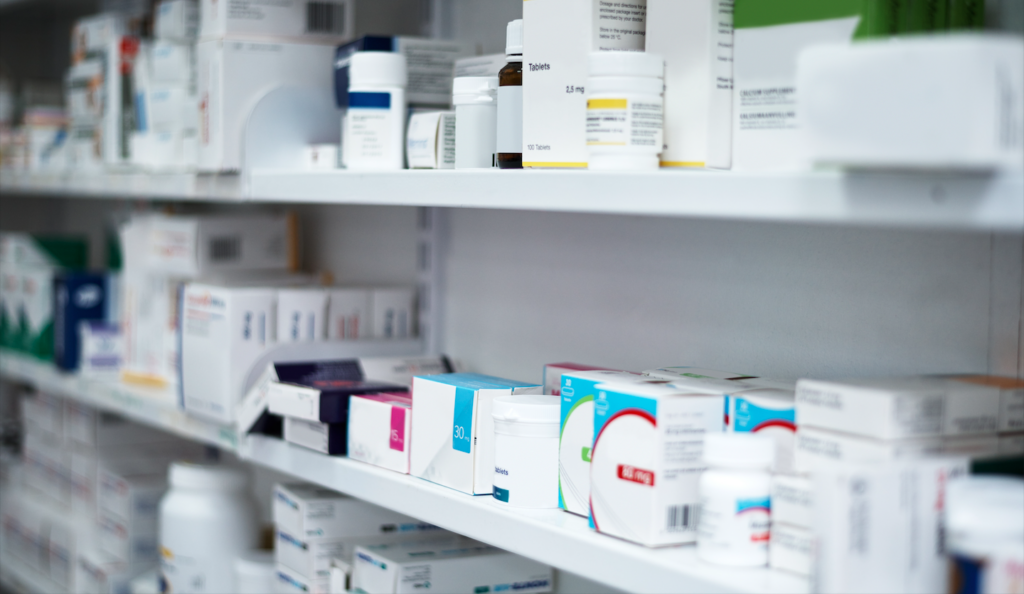
Health authorities have identified this behaviour as a key driver of antibiotic resistance. Photo credit: PeopleImages/Shutterstock
Spain is set to overhaul how antibiotics are sold in pharmacies, with health authorities moving to eliminate large-format boxes, such as those containing 30 tablets, in favour of smaller packs tailored to specific treatments. The measure forms part of a national strategy to combat antimicrobial resistance, a growing public health threat linked to the misuse and overuse of antibiotics.
The reform, led by the Ministry of Health in coordination with the Spanish Agency for Medicines and Health Products (AEMPS), will require pharmaceutical companies to adjust packaging so that the number of pills more closely matches standard prescribed courses. This means patients will no longer routinely receive surplus tablets at the end of their treatment.
Reducing leftover antibiotics and improper use
The decision is rooted in a persistent problem: excess antibiotics remaining in households after treatment is completed. These leftover pills are often stored and later used without medical supervision, increasing the risk of inappropriate consumption. This includes taking antibiotics for viral infections, such as colds or flu, where they have no effect, or using them incorrectly for bacterial infections that require a different drug or dosage.
Health authorities have identified this behaviour as a key driver of antibiotic resistance. When antibiotics are taken unnecessarily or incorrectly, bacteria can adapt and become resistant, rendering standard treatments less effective or even useless. This can lead to infections that are harder to treat, require stronger medications, or result in longer hospital stays.
By ensuring that patients receive only the exact number of tablets needed for their prescribed course, the government aims to reduce the availability of leftover medication and discourage self-medication practices.
Aligning supply with medical need
Under the new system, antibiotic packaging will be redesigned to reflect typical treatment durations. For example, a standard seven-day course will be matched with a corresponding number of doses, rather than being supplied in larger, generic pack sizes. This approach is already used in some other European countries and is considered a practical step towards improving antibiotic stewardship.
Pharmacies will continue to dispense antibiotics only with a valid prescription, and doctors will retain full control over treatment decisions. The change does not affect access to medication but rather modifies how it is packaged and distributed.
Timeline for implementation
The transition to the new packaging system will not happen overnight. Authorities have indicated that the rollout will be gradual, allowing time for pharmaceutical manufacturers to adapt production lines and for existing stock to be phased out. The process is expected to take place over approximately 12 months, with full implementation anticipated by 2027.
During this period, both current and revised pack sizes may be available in pharmacies. Patients are advised to follow their doctor’s instructions carefully and to complete the full course of antibiotics as prescribed, regardless of packaging changes.
A broader public health strategy
This initiative is part of Spain’s wider efforts to address antimicrobial resistance, which is recognised by the World Health Organisation as one of the top global health threats. In Spain alone, resistant infections are estimated to cause thousands of deaths each year, placing significant strain on the healthcare system.
Public awareness campaigns have already highlighted the importance of using antibiotics responsibly, including not sharing medication, not saving unused pills, and not requesting antibiotics for viral illnesses. The packaging reform reinforces these messages by removing one of the main sources of misuse: excess supply.
What residents should expect
For residents in Spain, the most noticeable change will be at the pharmacy counter. Instead of receiving a standard box that may contain more tablets than needed, patients will be given a pack that matches their prescribed treatment more precisely. This is intended to simplify adherence to the prescribed regimen and reduce confusion about how long to continue taking the medication.
Ultimately, the goal is to preserve the effectiveness of antibiotics for future generations. By limiting unnecessary exposure and ensuring correct usage, health authorities hope to slow the spread of resistant bacteria and maintain the reliability of treatments that remain essential to modern medicine.
Follow Euro Weekly News on Google News
Get breaking news from Spain, travel updates, and expat stories directly on your Google News feed.
Follow on Google NewsSign up for personalised news
Subscribe to our Euro Weekly News alerts to get the latest stories into your inbox!
By signing up, you will create a Euro Weekly News account if you don't already have one. Review our Privacy Policy for more information about our privacy practices.




Molly Grace
Molly is a British journalist and author who has lived in Spain for over 25 years. With a background in animal welfare, equestrian science, and veterinary nursing, she brings curiosity, humour, and a sharp investigative eye to her work. At Euro Weekly News, Molly explores the intersections of nature, culture, and community - drawing on her deep local knowledge and passion for stories that reflect life in Spain from the ground up.
Comments