What Spain’s latest wage debate could mean for expats and workers in 2026
By Dora Urbancsek • Published: 01 May 2026 • 18:34 • 3 minutes read
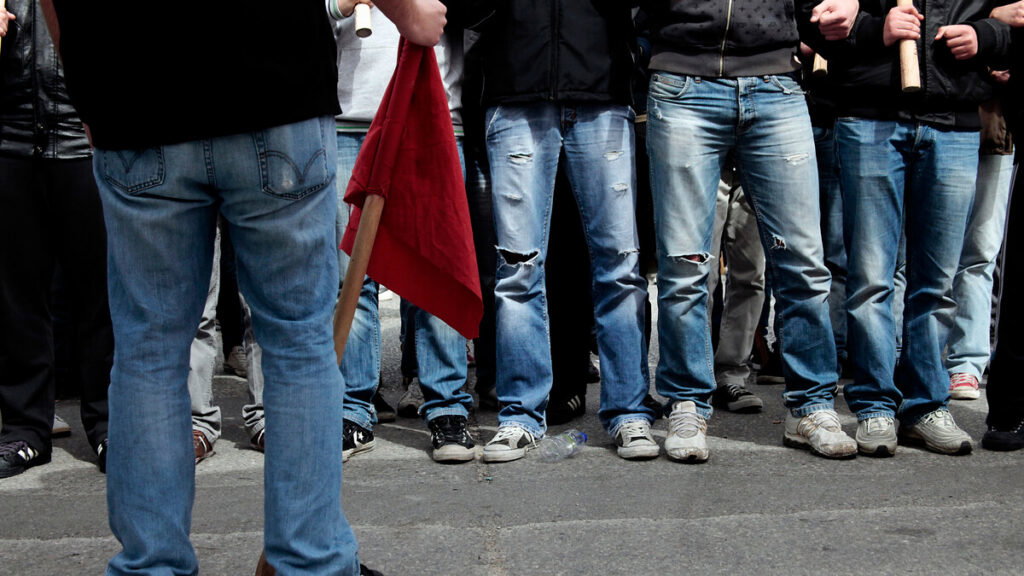
Labour Day demonstrations across Spain have brought wages and salary growth back into focus in 2026 Credit: Shutterstock/ChiccoDodiFC
Spain’s latest Labour Day demonstrations have brought one issue firmly back into focus: wages. As unions, employers and the government return to negotiations in 2026, the conversation is shifting beyond economic growth towards how that growth is reflected in salaries.
Why wages are back in focus
Spain enters 2026 with solid economic momentum. Growth remains above the European average, employment levels are relatively strong, and many companies have reported improved results. However, unions argue that salary increases have not kept pace with the broader economy. Recent data shows agreed wage rises still trailing inflation, meaning purchasing power remains under pressure for many workers.
At the same time, union leaders have pointed to rising corporate margins, saying companies are performing strongly and that this should be reflected more clearly in pay packets. This balance between business performance and wage growth is now at the centre of ongoing negotiations.
What has already changed in 2026
There have already been signs of movement. The Spanish government has approved a new minimum wage of around €1,221 per month in 2026, continuing a trend of gradual increases aimed at supporting lower-income workers. For those entering the workforce or transitioning into roles under Spanish contracts, minimum wage changes often set the baseline for entry-level salaries, making them a key reference point when negotiating pay.
In parallel, sector-specific agreements are beginning to reflect stronger wage pressure. A recent deal in the fuel station sector includes staged pay rises and links future increases to inflation, offering a model that could be replicated in other industries. Even so, broader negotiations remain ongoing. Unions are pushing for increases in the range of 4 to 7 percent across collective agreements, while employers have taken a more cautious approach, citing wider economic uncertainty.
What this could mean for workers
For those working in Spain, the outcome of this debate will shape the labour landscape over the coming years. This is particularly relevant in sectors such as hospitality, tourism and services, where many international residents are employed under Spanish contracts. In these industries, collective agreements play a central role in setting salary levels, working conditions and progression opportunities.
If higher wage increases are agreed, workers could see stronger salary growth more closely aligned with inflation, alongside improved conditions in sectors facing labour shortages. This could also lead to greater competition between employers to attract and retain staff. If negotiations move more slowly, the current pattern may continue, with gradual increases that do not always fully match rising living costs.
A shift in expectations rather than a slowdown
Rather than signalling a downturn, the current debate reflects a shift in expectations. With Spain’s economy performing relatively well, attention is turning towards how that success is distributed across the workforce. For many workers, including those building careers in Spain from abroad, the focus is increasingly on long-term stability, predictable salary growth and conditions that support professional development.
What comes next for Spain’s wage agreements
The next key step will be the renewal of Spain’s national collective bargaining framework, which sets recommended salary increases across multiple sectors. While no final agreement has been reached yet, both unions and employers are under pressure to find common ground. The outcome will influence not only pay levels, but also working conditions and labour stability in the years ahead.
For workers across Spain, including a large international workforce, the direction of these negotiations will help define what working life looks like in 2026.
Sign up for personalised news
Subscribe to our Euro Weekly News alerts to get the latest stories into your inbox!
By signing up, you will create a Euro Weekly News account if you don't already have one. Review our Privacy Policy for more information about our privacy practices.




Dora Urbancsek
Dora Urbancsek is an SEO writer with over eight years of experience producing high-quality, search-optimised journalism and digital content. Based in Spain for more than five years, she covers a wide range of topics concerning Spain and Europe, including current affairs, community stories, culture, and lifestyle. Dora is known for accurate, well-researched reporting that keeps readers informed and engaged.
Comments