Spain shoppers warned over car park scam that can leave bags and bank cards gone in seconds
By Harry Dennis • Published: 10 Jul 2026 • 19:22 • 4 minutes read
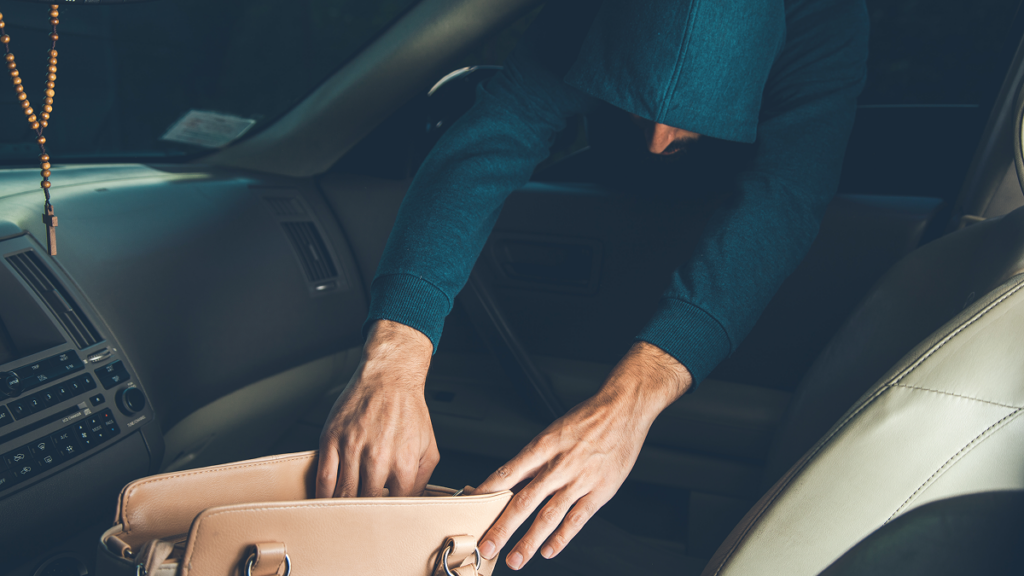
One innocent question can provide all the distraction thieves need. Credit: Tiko Aramyan / Shutterstock
Loading shopping into a car can leave bags, doors and attention exposed at the same time. Spain’s Guardia Civil says a group used a standard request for directions to steal belongings in car parks across ten provinces, then reached cash machines before some victims realised their bank cards were missing.
How a simple request for directions can leave the car unguarded
A stranger asks for directions while a shopper stands beside an open car. By the time the conversation ends, an accomplice may already have taken the bag inside. There may be no broken window, forced lock or obvious confrontation, but the theft can happen in seconds.
Spain’s Guardia Civil says this was the tactic allegedly used by a criminal group linked to around 30 offences in commercial car parks across Asturias, Burgos, Cantabria, Córdoba, Cádiz, Jaén, Madrid, Murcia, Toledo and Zaragoza.
Three people have been arrested in Madrid and another six identified, although their whereabouts remain unknown. Investigators estimate that the group obtained more than €20,000 through stolen property and subsequent card fraud.
How Spain’s ‘sowing method’ distracts drivers beside their cars
The technique is known in Spain as the método de la siembra, which translates as the “sowing method”. According to the Interior Ministry, the group allegedly selected victims in supermarket and shopping centre car parks. One person approached in another vehicle and asked for directions to a fictitious address or local place of interest. While the shopper concentrated on answering, an accomplice removed a handbag or other personal belongings from inside the open car. Investigators say those involved used small earpieces to coordinate their movements without appearing to speak to each other.
Similar versions involve pointing towards something supposedly dropped on the ground or claiming there is a problem with the vehicle. The distraction often changes, but the purpose is still to move the driver’s eyes away from an open door, boot or bag.
Why loading shopping creates the opening thieves need
The moments between leaving a shop and driving away involve a plethora of competing thoughts and easy distractions. The boot may be open, the car doors are unlocked and bags are temporarily placed on seats or the floor. Parents can be scrambling to get children into the car, while searching for keys, checking receipts, getting the shopping in and returning a trolley.
A quick request for directions can seem pretty harmless in a busy car park. Someone moving between parked vehicles may also look like another customer. This allows an accomplice to approach the passenger side without immediately attracting attention.
The Guardia Civil says the group travelled between provinces using hire cars obtained with false documentation or stolen identities. This allegedly helped its members move repeatedly while making both the people and vehicles involved harder to trace.
Warning signs when a stranger approaches beside a parked car
A stranger asking for help is not always suspicious, and people shouldn’t automatically assume every person asking for help is about to rob them. However, the timing and behaviour around the vehicle are very important. Extra caution may be needed when someone approaches while the boot or a passenger door is open, insists that the driver look away from the vehicle or points towards an object on the ground or far away.
Another person waiting close to the passenger side, watching the conversation or moving between nearby vehicles may also be a warning sign.
Before responding, bags can be placed out of reach, the boot and doors closed and the car locked. If the situation feels uncomfortable, the conversation can be ended and the shopper can move back towards the store entrance, security staff or another busy area. Drivers should not confront or chase suspected thieves. Details such as clothing, the vehicle used and its registration number can be noted only when it is safe to do so.
Stolen cards may be used before the shopper notices
These scams are especially dangerous as the financial damage can begin before the victim has even left the car park. Investigators say members of the group allegedly travelled directly to cash machines after each theft, hoping to withdraw money before the missing cards were discovered and blocked.
The Bank of Spain advises anyone whose card has been stolen to contact the issuing bank immediately, request that it be blocked, report the theft to police and check the account for payments or withdrawals they do not recognise. Any unauthorised transactions should also be reported to the bank as soon as possible.
Store security should be told promptly because witnesses or car park cameras may help police establish what happened.
Foreign visitors can seek assistance through the Foreign Tourist Assistance Service (Servicio de Atención al Turista Extranjero, SATE), where available. The official AlertCops application also allows residents and tourists to contact the National Police or Guardia Civil through a chat service with automatic translation in more than 100 languages.
Six identified suspects remain unaccounted for
The investigation, named Operation Tottus, began after two similar thefts were reported at a supermarket in Bargas, Toledo, during November and December.
Nine suspected members were eventually identified. Three were arrested in the Madrid districts of Vallecas and Carabanchel and face allegations including membership of a criminal organisation, theft, fraud and document falsification.
Six identified suspects remain unaccounted for, meaning the investigation has not ended. For shoppers, the most useful precaution is to secure the car and the bag before turning towards anyone asking for help.
Follow Euro Weekly News on Google News
Get breaking news from Spain, travel updates, and expat stories directly on your Google News feed.
Follow on Google NewsSign up for personalised news
Subscribe to our Euro Weekly News alerts to get the latest stories into your inbox!
By signing up, you will create a Euro Weekly News account if you don't already have one. Review our Privacy Policy for more information about our privacy practices.



Harry Dennis
Born in the UK and raised on the Cádiz coast, Harry brings his background in design, music, and photography to his writing for Euro Weekly News, sharing stories that celebrate culture and lifestyle across Spain and beyond.
Comments