Spain’s latest heatwave has claimed more lives than June’s as experts warn the danger isn’t over
By Farah Mokrani • Published: 10 Jul 2026 • 20:50 • 3 minutes read
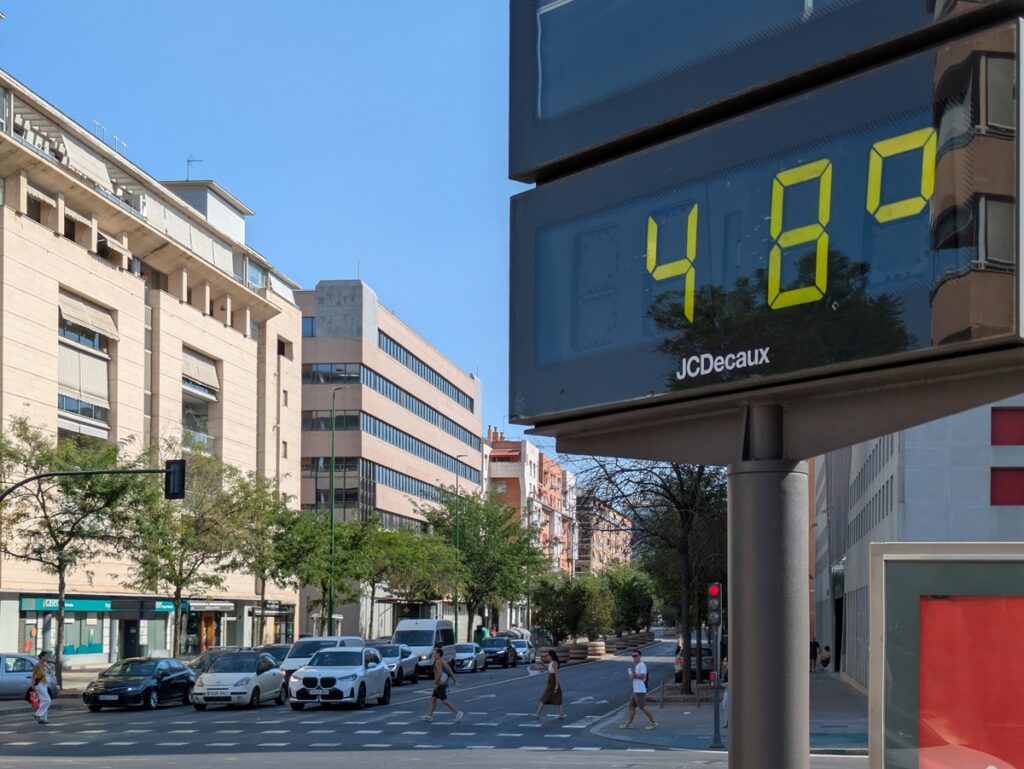
Extreme temperatures topped 40°C in parts of Spain during the latest heatwave. Credit : Carlos Koblischek, Shutterstock
Spain may have officially come out of its second heatwave of the summer, but health experts say the risk from extreme temperatures is far from over. Preliminary estimates suggest the six day heatwave that ended on Thursday 9 July was linked to 463 deaths, making it deadlier than the country’s first heatwave in late June.
While temperatures are expected to ease slightly over the weekend, much of Spain will continue to experience unusually hot weather. Authorities are urging people, especially older adults and those with existing health conditions, to remain cautious even though the heatwave has technically come to an end.
Spain’s second heatwave becomes the deadliest of the summer so far
According to Spain’s Daily Mortality Monitoring System (MoMo), 463 deaths are currently estimated to be linked to the second heatwave, which lasted from Sunday 5 July until Thursday 9 July.
The figure is already significantly higher than the 333 heat related deaths recorded during the first official heatwave between 21 and 25 June.
The sharpest rise came during the final two days of the latest heatwave. An estimated 261 people died on 8 and 9 July alone, with Thursday proving the most severe day.
MoMo estimates that 138 deaths were associated with extreme temperatures on 9 July, while 123 were recorded the previous day, reflecting the impact of soaring temperatures across much of the country.
These numbers remain preliminary and are expected to be refined over the coming week as more data becomes available.
It is also important to understand what these figures represent. MoMo does not record confirmed heat related deaths individually. Instead, it uses a recognised statistical model that compares expected mortality with the number of deaths actually recorded, while taking daily temperature data into account. The difference, known as excess mortality, provides an estimate of the number of deaths that may be associated with extreme heat.
Who is most at risk during periods of extreme heat?
Health authorities have repeatedly stressed that extreme heat does not affect everyone equally.
Older people, those with chronic heart or respiratory conditions and individuals with other underlying illnesses remain the most vulnerable. High temperatures can place additional strain on the body, worsening existing medical conditions and increasing the risk of serious complications.
During the final day of the heatwave, thermometers climbed above 42C in several parts of Spain, while almost the entire country was placed under weather alerts.
Only Cantabria and Asturias escaped heat warnings, with around 10 regions placed on orange alert, indicating a significant risk to health from exceptionally high temperatures.
Although many people associate heat related illness with dehydration or heatstroke, prolonged periods of very high temperatures can also place significant stress on the cardiovascular and respiratory systems, particularly among vulnerable groups.
The heatwave may be over but Spain is still facing very high temperatures
From Friday onwards, meteorologists say Spain will no longer meet the strict criteria used to classify a heatwave. However, that does not mean temperatures will suddenly return to normal.
According to Aemet spokesperson Rubén del Campo, much of the country will continue to experience very high temperatures over the coming days, despite the official end of the heatwave.
For anyone spending time outdoors, the advice remains largely unchanged. Staying hydrated, avoiding strenuous activity during the hottest part of the day and checking on elderly relatives or neighbours continue to be among the most effective ways to reduce the health risks associated with prolonged hot weather.
The latest figures also highlight the broader impact of this summer’s extreme temperatures.
According to MoMo, 621 estimated heat related deaths were recorded during the first nine days of July alone.
Looking at the wider picture, June ended with an estimated 939 deaths linked to extreme temperatures.
Since 15 May, when Spain’s Ministry of Health activated its annual summer heat plan, an estimated 1,667 deaths have been associated with excess temperatures across the country.
Those figures underline a growing reality for Spain. Even when an official heatwave comes to an end, the health risks often continue for days afterwards, particularly during prolonged periods of exceptionally hot weather. With much of the country still facing temperatures well above seasonal averages, health officials continue to encourage residents and visitors alike not to let their guard down simply because the heatwave has officially ended.
Follow Euro Weekly News on Google News
Get breaking news from Spain, travel updates, and expat stories directly on your Google News feed.
Follow on Google NewsSign up for personalised news
Subscribe to our Euro Weekly News alerts to get the latest stories into your inbox!
By signing up, you will create a Euro Weekly News account if you don't already have one. Review our Privacy Policy for more information about our privacy practices.




Farah Mokrani
Farah is a journalist and content writer with over a decade of experience in both digital and print media. Originally from Tunisia and now based in Spain, she has covered current affairs, investigative reports, and long-form features for a range of international publications. At Euro Weekly News, Farah brings a global perspective to her reporting, contributing news and analysis informed by her editorial background and passion for clear, accurate storytelling.
Comments