Travelling by Renfe on 15 July? Here’s how the planned strike could affect your journey
By Farah Mokrani • Published: 10 Jul 2026 • 12:08 • 2 minutes read
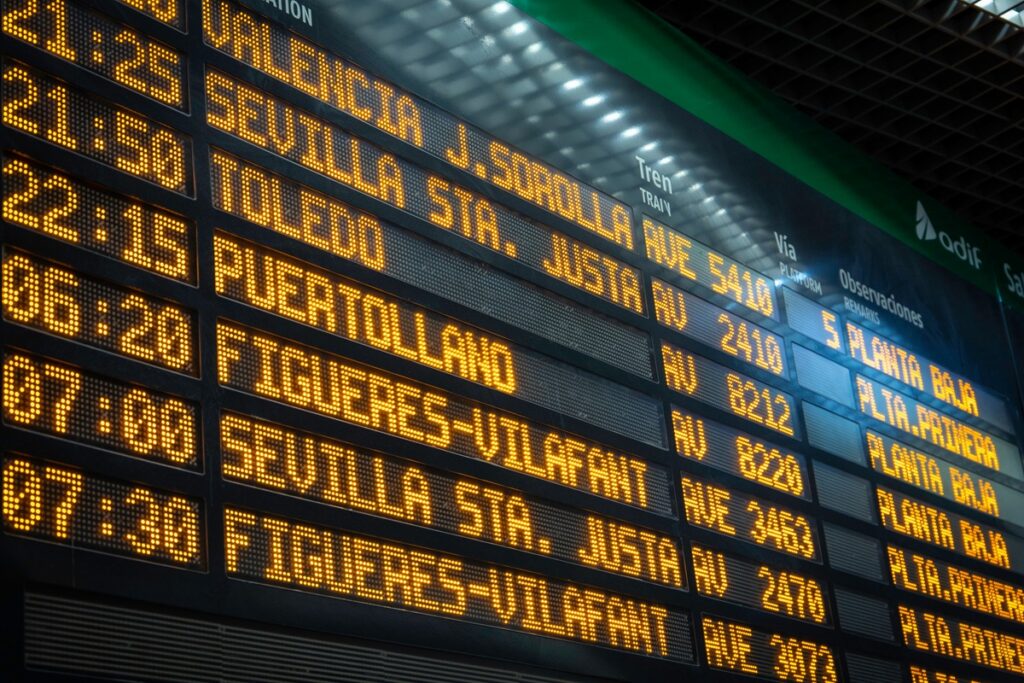
Passengers are being urged to check their Renfe services before travelling on 15 July due to the planned rail strike. Credit : JMVAZQUEZ, Shutterstock
Thousands of people travelling across Spain next wednesday may be wondering whether they need to change their plans. The good news is that most Renfe services are expected to operate despite the planned rail strike on 15 July, although some journeys could still be affected depending on the level of industrial action.
Spain’s Ministry of Transport has ordered minimum service levels that will keep the majority of trains running, meaning many passengers may notice little difference. However, those travelling on routes not covered by the guaranteed timetable are being urged to check their tickets before heading to the station.
Renfe strike 15 July: Which trains are expected to run?
The Ministry of Transport has ordered 73 per cent of Renfe’s high speed and long distance services to operate during the strike.
That means 249 of the 343 scheduled high speed and long distance trains will run regardless of the industrial action. The remaining 94 services are not protected by the minimum service requirement, meaning they could be cancelled if enough staff take part in the strike.
For many travellers, the actual disruption could be smaller than expected. During the previous strike on 29 June, only 1.83 per cent of employees joined the walkout, allowing many trains outside the minimum service timetable to operate as normal.
Even so, passengers whose trains are not included in the guaranteed schedule should check the latest updates before travelling, as last-minute cancellations remain possible.
Commuters and regional passengers could also see timetable changes
The strike will not only affect high speed services.
For Cercanías commuter trains, authorities have ordered:
- 75 per cent of normal services during peak hours
- 50 per cent of services for the rest of the day
Meanwhile, Media Distancia regional services will continue operating at 66 per cent capacity.
Out of 650 planned regional trains, 426 are guaranteed to run, while 224 services could be affected, depending on how many railway workers participate in the strike.
Passengers using local and regional rail services should allow extra time for their journeys, particularly if travelling during quieter parts of the day when fewer trains are guaranteed.
Why are Renfe workers going on strike?
The industrial action has been called by the Sindicato Ferroviario (SF), which says it is protesting what it describes as the progressive dismantling of Renfe’s freight division.
The union also opposes plans linked to Renfe Mercancías’ partnership with Medway, the freight operator owned by shipping giant MSC. According to the union, the agreement represents another step towards the privatisation of Spain’s public freight rail services.
While the dispute centres on freight operations rather than passenger services, rail users across Spain could still experience disruption if additional staff choose to join the strike.
For anyone travelling on 15 July, the safest approach is to confirm your train’s status before leaving home, particularly if your service is not among those protected by the government’s minimum service requirements. With most trains expected to run, many passengers should complete their journeys as planned, but checking ahead could help avoid unnecessary surprises at the station.
Follow Euro Weekly News on Google News
Get breaking news from Spain, travel updates, and expat stories directly on your Google News feed.
Follow on Google NewsSign up for personalised news
Subscribe to our Euro Weekly News alerts to get the latest stories into your inbox!
By signing up, you will create a Euro Weekly News account if you don't already have one. Review our Privacy Policy for more information about our privacy practices.





Farah Mokrani
Farah is a journalist and content writer with over a decade of experience in both digital and print media. Originally from Tunisia and now based in Spain, she has covered current affairs, investigative reports, and long-form features for a range of international publications. At Euro Weekly News, Farah brings a global perspective to her reporting, contributing news and analysis informed by her editorial background and passion for clear, accurate storytelling.
Comments