Spain could be heading for another heatwave and these regions are in the firing line
By Farah Mokrani • Updated: 12 Jul 2026 • 23:01 • 4 minutes read
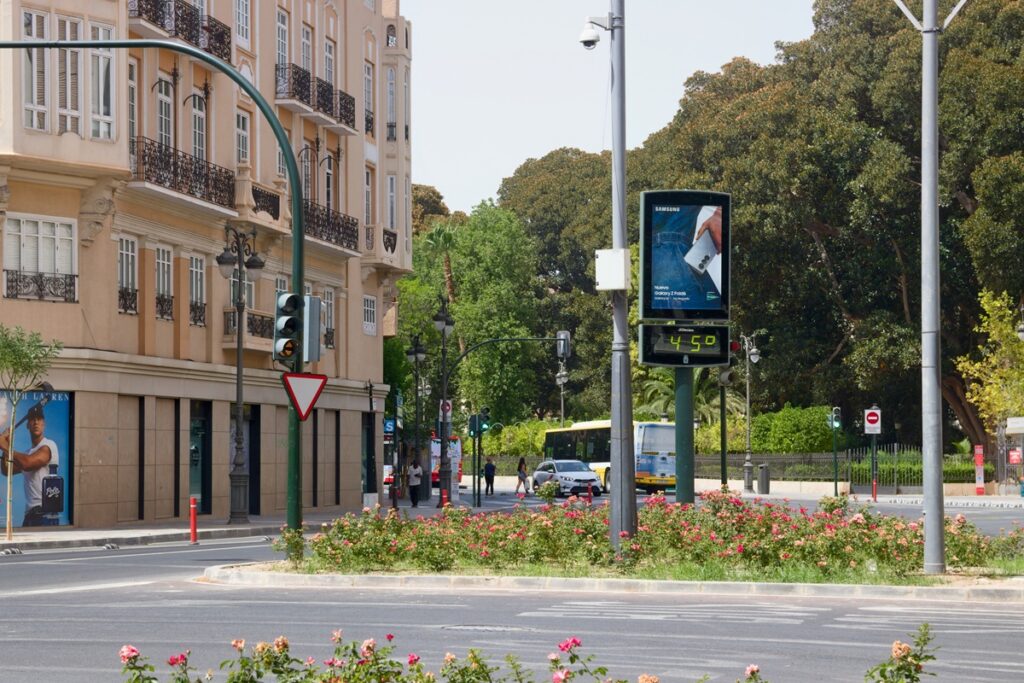
Parts of Spain could see temperatures above 40°C again if another heatwave develops next week. Credit : Laura Primo, Shutterstock
If you’ve been enjoying the brief drop in temperatures over the past couple of days, don’t get too comfortable. Weather models are pointing towards another spell of intense heat next week, with parts of Spain once again at risk of temperatures above 40C. While it is still too early to confirm whether it will officially become the country’s third heatwave of the summer, meteorologists say the conditions are certainly moving in that direction.
The areas being watched most closely are Catalonia, the Valencian Community, the Region of Murcia, eastern Andalusia and the Balearic Islands, where the hottest air is expected to settle between 13 and 19 July. Inland parts of Aragón and Castilla La Mancha could also experience another run of scorching temperatures if the current forecasts hold.
For many people, especially those heading on holiday or planning to spend time outdoors, it could mean another week of checking weather apps before leaving the house and thinking twice about afternoon plans.
Why forecasters are watching next week so closely
The latest forecasts from Meteored suggest a familiar weather pattern is beginning to take shape.
A powerful area of high pressure is expected to strengthen over the western Mediterranean during the middle of next week. When this happens, it can act like a lid over the atmosphere, trapping hot air close to the ground instead of allowing cooler air to move in.
According to meteorologist and physicist Francisco Martín León, the system is expected to draw in very warm air from North Africa and the Sahara. Combined with a Mediterranean Sea that is already warmer than usual, it could create the conditions needed for another heatwave.
That doesn’t automatically mean Spain will enter an official heatwave. Meteorologists use specific criteria, including how high temperatures climb, how many areas are affected and how long the heat lasts before declaring one.
But the early signs are enough for weather experts to keep a close eye on how the forecast develops over the coming days.
It’s also worth remembering that forecasts several days ahead can still change. Temperatures may end up slightly lower or higher than currently predicted, but several weather models are pointing towards the same overall pattern of unusually hot conditions returning to eastern Spain.
The regions where temperatures could climb above 40C
If the forecast remains on track, eastern and south eastern Spain are likely to bear the brunt of the heat.
Current projections for Friday 17 July include:
- Murcia reaching 44C
- Lleida, Granada and Zaragoza climbing to 41C
- Albacete around 40C
- Teruel reaching 39C
- Girona and Huesca around 38C
- Valencia, Cuenca and Palma reaching 37C
- Barcelona, Castellón and Alicante around 35C
- Tarragona and Almería close to 34C
These figures remain forecasts rather than confirmed temperatures, but they offer a good indication of where the hottest conditions are expected if the heat dome develops as anticipated.
For people living on the Mediterranean coast, the heat may feel even more uncomfortable than the numbers suggest. Coastal humidity often makes high temperatures feel heavier, particularly during the afternoon and evening when the air becomes more oppressive.
Tourists arriving for summer holidays could also find themselves experiencing one of the hottest weeks of the season.
It’s not only the daytime heat that could make life uncomfortable
One of the reasons prolonged hot spells become so exhausting is that they don’t always end when the sun goes down.
Forecasts suggest many parts of eastern Spain could experience tropical nights, where temperatures stay above 20C throughout the night.
That may not sound particularly dramatic, but it can make a real difference to everyday life. Homes struggle to cool down, bedrooms stay warm well into the early hours and many people find it difficult to get a proper night’s sleep after several consecutive hot days.
The forecast also includes another familiar feature of Spanish summers.
According to Meteored, Saharan dust is expected to move across parts of the east and south east of the peninsula as well as the Balearic Islands. That could produce hazy skies and poorer air quality in some locations.
For anyone with respiratory conditions, it’s another reason to pay attention to local forecasts over the coming week.
Heat and wildfire risk often go hand in hand
The timing of this possible hot spell is unlikely to reassure emergency services.
Spain is already dealing with several wildfires, and periods of extreme heat tend to create the conditions firefighters worry about most. Dry vegetation, very high temperatures and low humidity can all make fires spread more quickly.
Although weather alone does not start wildfires, prolonged heat increases the likelihood that any fire which does break out will become more difficult to contain.
That’s one reason authorities often repeat the same advice during these periods, from avoiding unnecessary outdoor fires to taking extra care when visiting forests and rural areas.
For now, the important point is that this remains a forecast rather than a confirmed heatwave. The picture will become clearer over the next few days as new weather data is analysed.
Even so, if you’re planning to travel through Catalonia, the Valencian Community, Murcia, eastern Andalusia, Aragón, Castilla La Mancha or the Balearic Islands next week, it’s worth keeping an eye on the latest forecasts.
After an already demanding start to the summer, many people had hoped the worst of the heat was behind them. The latest weather models suggest Spain may not be finished with extreme temperatures just yet.
Follow Euro Weekly News on Google News
Get breaking news from Spain, travel updates, and expat stories directly on your Google News feed.
Follow on Google NewsSign up for personalised news
Subscribe to our Euro Weekly News alerts to get the latest stories into your inbox!
By signing up, you will create a Euro Weekly News account if you don't already have one. Review our Privacy Policy for more information about our privacy practices.


Farah Mokrani
Farah is a journalist and content writer with over a decade of experience in both digital and print media. Originally from Tunisia and now based in Spain, she has covered current affairs, investigative reports, and long-form features for a range of international publications. At Euro Weekly News, Farah brings a global perspective to her reporting, contributing news and analysis informed by her editorial background and passion for clear, accurate storytelling.
Comments