Spain brings in unusual new rules before the solar eclipse
By Molly Grace • Published: 02 Aug 2026 • 22:38 • 3 minutes read
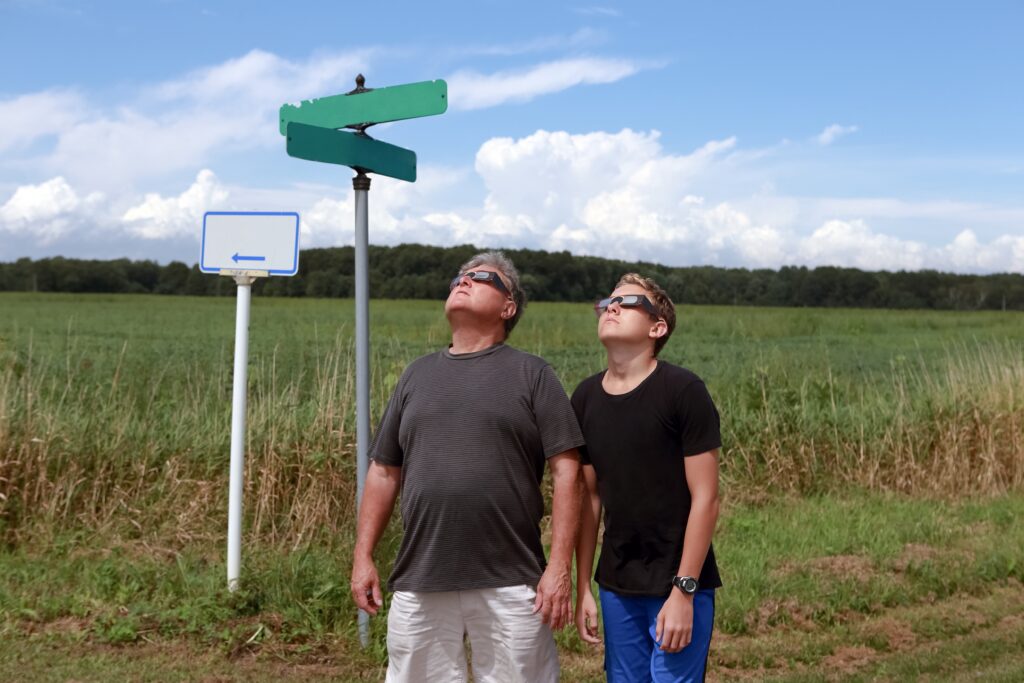
The restrictions come as Spain enters one of the most dangerous periods of the year. Photo credit: Suzanne Tucker/Shutterstock
For those of you planning to head into Spain’s countryside to watch this month’s total solar eclipse, there are new rules you need to know about. Authorities are introducing strict wildfire prevention measures, including bans on illegal raves, restrictions on camping and tighter controls around forest areas, as they prepare for the arrival of hundreds of thousands of eclipse watchers. The restrictions come as Spain enters one of the most dangerous periods of the year for wildfires, with high temperatures, dry vegetation and increased movement through rural areas creating additional risks.
On August 12, the total solar eclipse will draw people from across Spain and beyond to areas where the phenomenon can be seen at its best. Many residents, amateur astronomers, photographers and visitors are expected to travel away from towns and cities in search of open landscapes and clear skies. But the large-scale movement of people into forests and rural areas has raised concerns among officials, particularly in regions already facing extreme fire danger.
Aragón prepares for thousands of visitors
Aragón is expected to be one of the main destinations for eclipse watchers, with estimates suggesting around 400,000 people could arrive in the region during the days surrounding the event. To reduce the risk of fires and manage the expected crowds, the regional government has introduced temporary restrictions between August 10 and August 13.
The measures include a ban on unauthorised raves and outdoor parties, restrictions on activities that could produce sparks, and tighter controls on the use of fire in recreational areas. Fireworks and pyrotechnics will not be permitted in forest areas or nearby zones, while access to certain woodland areas may be limited to prevent overcrowding and allow emergency services to reach incidents quickly. The restrictions apply not only to visitors but also to residents who regularly use rural areas for leisure activities.
Concern over human-caused fires
The biggest concern is not the eclipse itself, but the number of people expected to gather in places where a small mistake could have serious consequences. During periods of extreme heat, dry grass, shrubs and woodland can ignite rapidly. A discarded cigarette, an unattended barbecue, a campfire or even a vehicle parked on dry vegetation can be enough to start a blaze.
Emergency services are particularly concerned about isolated viewing locations where large groups may gather without facilities, access roads or nearby assistance. In previous summers, Spain has experienced devastating wildfires that have destroyed thousands of hectares of land, forced evacuations and placed huge pressure on firefighters. With the eclipse attracting people to areas that are often difficult to monitor, authorities are taking additional precautions.
Fines for breaking restrictions
Anyone ignoring the temporary wildfire prevention rules could face significant penalties. Fines for serious breaches can reach €100,000, depending on the circumstances and the level of danger caused.
Police, environmental officers and emergency teams will increase monitoring in areas expected to attract large numbers of people, particularly forests, mountain areas and rural viewpoints. Authorities are also reminding people that restrictions may vary depending on the region and local fire risk levels.
What eclipse watchers need to know
Those planning to watch the eclipse outdoors are being advised to prepare before travelling. Visitors should check whether their chosen location has access restrictions, avoid parking outside designated areas and follow instructions from local authorities. People heading into rural areas should also avoid any activity that could create flames or sparks.
Camping plans may need to be reconsidered, particularly in areas where temporary restrictions are in place. Those hoping to organise private gatherings or parties in the countryside should check local regulations before making arrangements. For residents living near popular viewing areas, increased traffic and visitors are also expected to bring disruption, with some roads and access points potentially becoming busier than usual.
A major event with major responsibility
The eclipse is expected to be one of the most spectacular astronomical events visible from Spain in years, with many communities preparing to welcome visitors and organise official viewing activities. For rural areas, the event could also bring a boost to local businesses, accommodation providers and tourism services.
But with Spain’s landscapes facing the ongoing threat of wildfires, authorities want the event to pass without adding pressure to already vulnerable areas. The eclipse will last only a few minutes, the consequences of a wildfire could last for years.
Follow Euro Weekly News on Google News
Get breaking news from Spain, travel updates, and expat stories directly on your Google News feed.
Follow on Google NewsSign up for personalised news
Subscribe to our Euro Weekly News alerts to get the latest stories into your inbox!
By signing up, you will create a Euro Weekly News account if you don't already have one. Review our Privacy Policy for more information about our privacy practices.


Molly Grace
Molly is a British journalist and author who has lived in Spain for over 25 years. With a background in animal welfare, equestrian science, and veterinary nursing, she brings curiosity, humour, and a sharp investigative eye to her work. At Euro Weekly News, Molly explores the intersections of nature, culture, and community - drawing on her deep local knowledge and passion for stories that reflect life in Spain from the ground up.
Comments