Two firefighting heroes killed after helicopters collide battling Greece wildfire
By Molly Grace • Published: 02 Aug 2026 • 23:12 • 3 minutes read
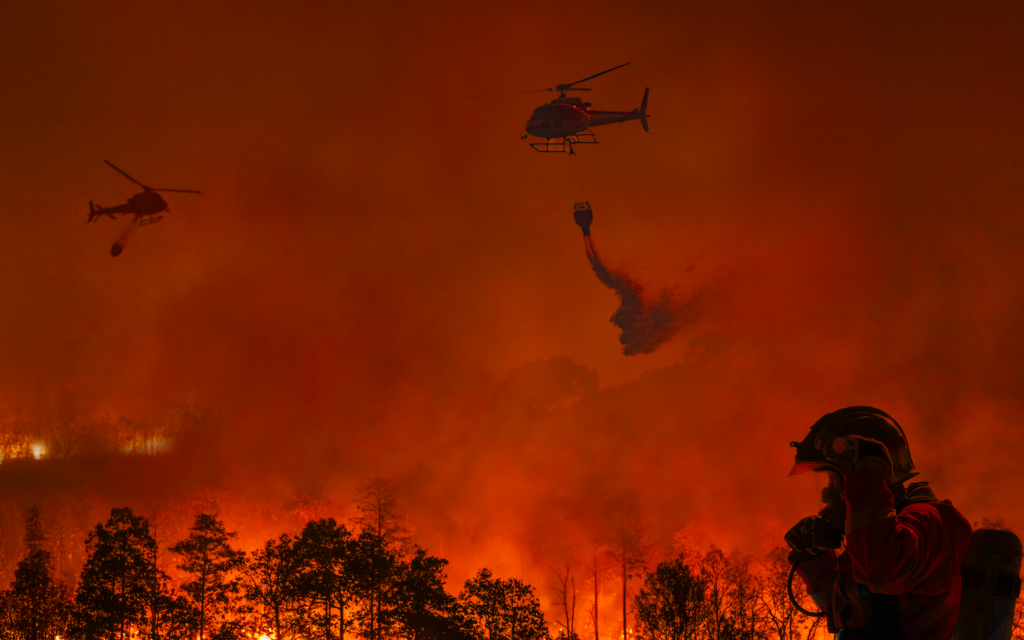
Aircraft crews take risks every time they fly - 'Euro Weekly News'
Fighting a wildfire is dangerous enough without the added threat of flying through thick smoke, extreme heat and unpredictable winds. But for two firefighting helicopter crews tackling a blaze near Athens, the danger became fatal. Two people have died and two others have been injured after two anti-fire helicopters collided in mid-air while carrying out operations over a wildfire in Greece’s Attica region. The aircraft were working to contain the flames near Psatha, west of Athens, when they crashed on Sunday, August 2.
One helicopter went down following the collision, killing its two crew members, a Danish pilot and a Greek co-pilot. The second helicopter was also involved in the crash. Its two occupants, a British pilot and a Greek crew member, survived but were injured and taken for medical treatment. The accident has shocked firefighting teams and highlighted the risks faced by the crews who take to the skies every summer to battle some of Europe’s most dangerous wildfires.
A dangerous battle from the air
Helicopters are among the most important tools used during major wildfires, allowing firefighters to attack flames in areas that are difficult to reach from the ground, but the work comes with huge risks. Pilots must fly at low altitude, often close to trees, mountains and uneven terrain, while carrying out repeated water drops over active fires.
Smoke can suddenly reduce visibility, winds can change direction without warning and intense heat rising from the flames can make flying conditions extremely challenging. For crews operating above a wildfire, there is little room for error. The two helicopters involved in the Attica crash were carrying out those operations when they collided.
Greece battles another difficult wildfire season
The crash happened as firefighters were already struggling to contain a major blaze in the region surrounding Athens. The fire spread during a period of high temperatures and dry conditions, forcing emergency services to respond as flames threatened nearby areas. Attica is one of Greece’s most densely populated regions, meaning wildfires can quickly become a threat to both rural communities and urban areas.
Residents in affected locations were warned to remain alert as firefighters worked to stop the blaze spreading further. The wildfire season has once again placed enormous pressure on emergency crews across Greece, where hot, dry summers create ideal conditions for fires to grow rapidly.
The people behind the firefighting effort
While wildfires are often measured in hectares burned and homes evacuated, the response depends on thousands of people working in dangerous conditions. Firefighters on the ground face extreme heat and smoke. Aircraft crews take risks every time they fly over burning landscapes. Support teams work around the clock to keep operations running.
For the helicopter crews, every mission involves flying directly into the heart of the emergency. The two men killed in the collision were carrying out that work when the accident happened. Tributes have began to pour in as authorities and fellow emergency workers remember those who lost their lives while helping protect communities from the flames.
Investigation begins into crash
Authorities have launched an investigation into what caused the two helicopters to collide. Investigators will examine flight paths, communication between the crews, weather conditions and the circumstances surrounding the operation at the time of the crash.
The priority will be understanding how two aircraft involved in the same firefighting mission came into contact while working above the fire, no official cause has yet been confirmed.
Growing risks across southern Europe
The tragedy comes during another difficult summer for countries across southern Europe, where wildfires have become increasingly frequent and intense. Greece, Spain, Italy and Portugal have all faced growing challenges as prolonged heat, drought and dry landscapes increase fire risks. For firefighters and emergency crews, the battle often begins long before flames reach homes.
They work to stop fires spreading, protect communities and keep disasters from becoming even worse. But the dangers they face are not limited to the ground. The crash has exposed the extreme risks faced by the crews battling wildfires from the air, where a split-second mistake or sudden change in conditions can have fatal consequences. For two helicopter crew members, that risk became a tragic reality while they were doing exactly that.
Follow Euro Weekly News on Google News
Get breaking news from Spain, travel updates, and expat stories directly on your Google News feed.
Follow on Google NewsSign up for personalised news
Subscribe to our Euro Weekly News alerts to get the latest stories into your inbox!
By signing up, you will create a Euro Weekly News account if you don't already have one. Review our Privacy Policy for more information about our privacy practices.

Molly Grace
Molly is a British journalist and author who has lived in Spain for over 25 years. With a background in animal welfare, equestrian science, and veterinary nursing, she brings curiosity, humour, and a sharp investigative eye to her work. At Euro Weekly News, Molly explores the intersections of nature, culture, and community - drawing on her deep local knowledge and passion for stories that reflect life in Spain from the ground up.
Comments