Gibraltar treaty signed today as workers face the real border test tomorrow
By Harry Dennis • Updated: 14 Jul 2026 • 16:20 • 4 minutes read

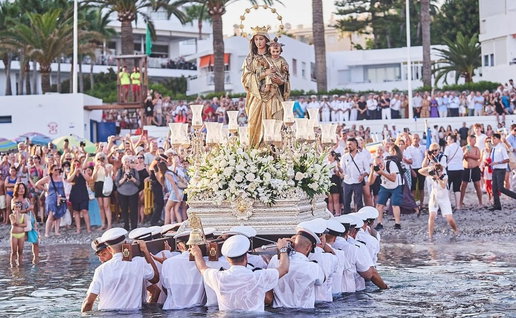
Faster crossings, but a new rulebook begins at midnight. Credit: Valerie2000 / Shutterstock
After years of negotiations, the UK and EU signed the Gibraltar treaty in Brussels on Tuesday, July 14, with provisional application beginning on Wednesday July 15. For thousands crossing from Spain and residents on the Rock, the treaty changes far more than the morning commute, bringing a new tax on goods, tobacco price controls, shopping allowances, delivery rules and a tougher residency system for those hoping to live in Gibraltar.
Morning commutes should become easier, but border-crossers remain sceptical
At midnight, the political promise made in Brussels on Tuesday, July 14 will reach the pavement between La Línea and Gibraltar. For Augusto Mena, a 30-year-old programmer who lives in Spain and works in Gibraltar four days a week, that pavement forms the second half of a 40-minute commute.
He drives for around 20 minutes to La Línea, searches for somewhere to leave his car and then walks another 20 minutes to his office. “It’s almost impossible to park inside Gibraltar, so it is often necessary to leave your car in La Línea,” he told Euro Weekly News. “It’s easier, but still a pain.”
From July 15, people crossing on foot or by car should no longer stop for routine immigration checks. Gibraltar’s Government also says businesses should face less disruption from employees being trapped in queues, although commercial goods will remain subject to separate customs procedures.
Augusto normally avoids the vehicle queues he sees between 7.30am and 8.30am by crossing on foot. However, he recalled one morning when an aircraft experiencing difficulties repeatedly used the runway, blocking the pedestrian crossing for between 30 and 45 minutes. “Everyone there was really late for work,” he said.
The treaty will not remove runway closures, however the Government is considering better public transport links between the frontier and central Gibraltar.
People can cross freely, but shopping bags still have limits
The removal of routine checks on people does not make the crossing an uncontrolled route for goods. During the first three years, people bringing personal shopping into Gibraltar from Spain or elsewhere in the European Union will have a general allowance equivalent to €300 when entering by land, or €430 when arriving by air or sea.
Separate limits include 200 cigarettes, 250 grams of tobacco and one litre of spirits above 22 per cent alcohol. Goods exceeding the thresholds may require a customs declaration and payment of Gibraltar’s new transaction tax.
The distinction between personal and commercial shopping also matters. A person carrying a small quantity of goods from Spain to resell online or through social media will be treated as a trader, regardless of the relatively low value involved.
Spanish retailers will not be able to drive through the open border and deliver commercial goods without customs formalities. Deliveries from the Campo de Gibraltar will be permitted under defined single transport operations, but companies providing installation, repairs or other services inside Gibraltar may also need Gibraltar tax and social security registration.
Gibraltar residents have learned to choose the ‘good hours’
For residents, the frontier can also create a sense of being cut off from the towns, shops, families and open space immediately across the border.
Elena Cordero, 29, has lived and worked in Gibraltar for two years. She said crossing is normally straightforward, but periods of tighter controls have left her feeling restricted. “There have been times when the border has been stricter and there have been problems crossing, causing a feeling of claustrophobia,” she said.
“People have become used to choosing the ‘good hours’ so they do not have to wait in queues for an hour,” she told Euro Weekly News.
She believes closer integration with the Schengen system will bring more benefits than problems and hopes residents will be able to enter Spain without planning their day around the border.
Shops on the Rock begin a 15 per cent transaction-tax era
For retailers, July 15 marks the end of Gibraltar’s traditional import-duty system and the beginning of a new transaction tax on goods. The standard rate starts at 15 per cent, is due to move to 16 per cent in the second year and then align with the lowest standard Value Added Tax rate in the EU, currently 17 per cent, from the third year unless the agreed formula produces a different result. Some essential goods, including food, medicines and books, receive a zero rate, while categories including children’s clothing and bicycles qualify for a reduced rate.
The transaction tax is applied to the declared import or manufacturing value of goods. It is not a 15 per cent sales tax added at the till, and Gibraltar’s Government has warned against presenting it as an automatic 15 per cent increase in retail prices. Nevertheless, importers and shops will have to reassess their costs, margins, stock and paperwork under the new system.
Augusto hopes the broader agreement eventually reduces bureaucracy for workers and businesses and allows for greater flexibility to work remotely. “Quicker border crossings, less bureaucracy for workers and businesses, and clearer rules that don’t keep changing” would make the agreement feel successful, he said.
Tobacco warehouses stocked up before prices move closer to Spain
Some Gibraltar tobacco businesses have prepared for July 15 by increasing stocks manufactured under the old rules. Europa Sur reported that importers, distributors and wholesalers had filled warehouses because cigarettes and rolling tobacco made before the treaty change may continue to be sold until July 15, 2027. Transitional arrangements for some other tobacco products extend until July 2028.
Newly manufactured products face EU-aligned packaging, tracing and taxation requirements. Gibraltar will also set prices so that equivalent cigarette packets are no more than approximately 80 cents, or 15 per cent, cheaper than in Spain, whichever limit is lower.
Prices will be reviewed quarterly to reflect changes in Spanish prices and the exchange rate. This means the familiar gap between tobacco prices on either side of the frontier is expected to narrow, although older stock could remain on shelves throughout the transitional period.
Midnight starts the test at crossings, tills and warehouses
A symbolic act of friendship involving Gibraltar Chief Minister Fabian Picardo and La Línea mayor Juan Franco is expected around the moment the old frontier arrangements end. For a region shaped by the border for generations, the ceremony carries obvious historical weight.
The more revealing evidence will come afterwards: whether border crossings are easier, if workers arrive sooner, whether delivery paperwork functions and how shops adjust their prices.
“No bureaucracy in this world is fast,” Augusto said.
For Elena, success would be more straightforward: “A better relationship between Gibraltar and Spain, and of course less waiting to cross the border.”
Follow Euro Weekly News on Google News
Get breaking news from Spain, travel updates, and expat stories directly on your Google News feed.
Follow on Google NewsSign up for personalised news
Subscribe to our Euro Weekly News alerts to get the latest stories into your inbox!
By signing up, you will create a Euro Weekly News account if you don't already have one. Review our Privacy Policy for more information about our privacy practices.



Harry Dennis
Born in the UK and raised on the Cádiz coast, Harry brings his background in design, music, and photography to his writing for Euro Weekly News, sharing stories that celebrate culture and lifestyle across Spain and beyond.
Comments