When does a shared path stop being a favour and start being a right? Easement of way in Spain. Legal advice.
By Carlos Baos (Lawyer) • Published: 16 Jul 2026 • 9:00 • 2 minutes read
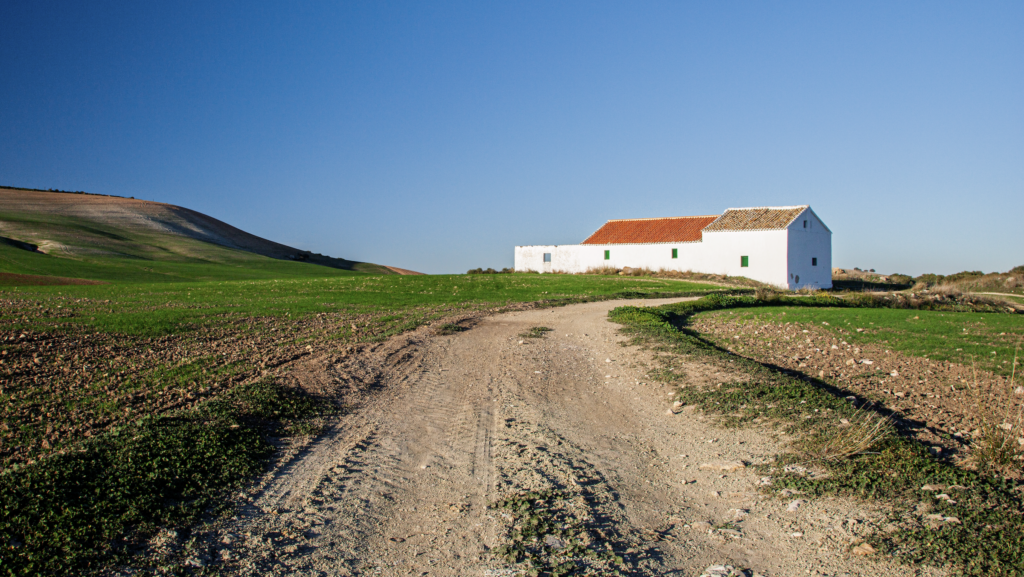
It is common for two neighboring properties to share an access path. Credit: Right Perspective Images/Shutterstock
Picture this. You buy a rustic property, or perhaps a chalet on a large plot. Everything looks perfect, until you notice your neighbor driving across a corner of your land every single day to reach the main road. Nobody ever signed anything. Nobody ever asked, at least not that you’re aware of. It has simply always been that way, or so you’re told. This kind of scenario is more common than it might seem, and it’s a query we come across regularly at our firm.
The obvious question follows almost immediately. After so many years, has this neighbor quietly built up a legal right to keep doing it? Or could you, as the owner, simply put a stop to it one day?
It might come as a surprise, but under Spanish law the answer would generally lean towards the second option, provided nothing else is at play. An easement of way (also known as “right of way”) is treated differently from other property rights. Unlike some easements, which the law allows to be acquired purely through years of use, a right of way depends entirely on someone actively walking or driving across the land, rather than existing on its own. And Spanish courts have consistently held that this kind of easement generally cannot be built up through time alone, however long that time may have been.
What tends to matter far more is whether the use was ever backed by something concrete. A deed signed before a notary, perhaps. A formal acknowledgement from the landowner. A court decision. Or a rather specific scenario: a property left entirely landlocked, with no way out to a public road, which can sometimes justify a legally imposed right of way regardless of any prior use.
Absent any of that, what usually exists is simply tolerance. A gesture of goodwill from one neighbor to another, which, no matter how long it has lasted, typically remain revocable.
This distinction matters more than it might seem, particularly for those buying rural property or homes in older developments across the region, where informal arrangements between neighbors are still fairly common. Before assuming that those years of use equal a right (or before assuming the opposite) it’s worth having the situation properly reviewed.
If you’re dealing with an easement of rights, an access issue, or a boundary dispute involving a neighboring property, at White & Baos we would be glad to look at your particular case. Reach out to us today.
You may be interested in the following services and articles:
Party wall. Rights, costs and disputes between neighbouring owners. Legal advice
Real Estate Income Taxation in Spain. Capital Gains and Losses. Special cases. Expert Legal Advice.
Carlos Baos (Lawyer)
White & Baos.
Tel: +34 966 426 185
E-mail: info@white-baos.com
White & Baos 2026 – All Rights Reserved.
Follow Euro Weekly News on Google News
Get breaking news from Spain, travel updates, and expat stories directly on your Google News feed.
Follow on Google NewsSign up for personalised news
Subscribe to our Euro Weekly News alerts to get the latest stories into your inbox!
By signing up, you will create a Euro Weekly News account if you don't already have one. Review our Privacy Policy for more information about our privacy practices.





Carlos Baos (Lawyer)
Lawyer Carlos Baos has been advising on variety of expat-related legal issues for years and weekly column offers free weekly insights.
Comments