Some of Europe’s best beaches now need a booking and turning up early might not be enough
By Harry Dennis • Published: 17 Jul 2026 • 13:53 • 4 minutes read
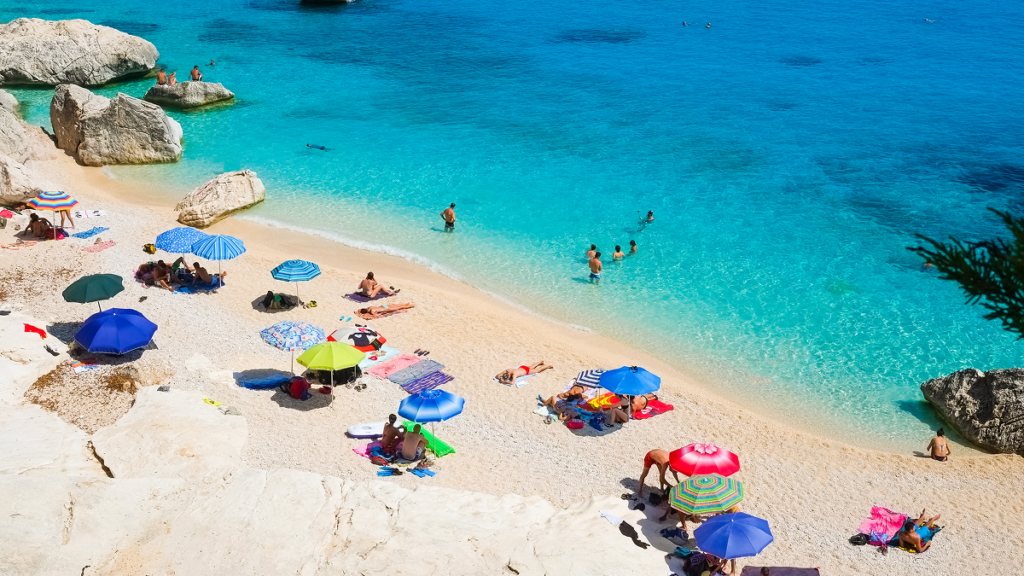
Cala Goloritzé limits access to 250 visitors at a time. Credit: Elisa Locci / Shutterstock
Several of Europe’s most photographed beaches now require a permit, a parking plan or an online booking before anyone even sets foot on the sand. From Sardinia’s controlled coves to Spain’s island quotas and closed roads, here is what the systems actually involve and how to avoid arriving at a beach that has already turned people away.
Why Sardinia’s most famous beach now needs a booking
There was a time when a beach day in Spain meant grabbing a towel, checking the weather and heading out. That still works in most places. But at a growing number of famous coves and protected coastlines across Europe, turning up with nothing planned is no longer enough, and in some cases, it means being turned away.
La Pelosa in Sardinia is the example being shared widely this summer, and for good reason. Between May 15 and October 15, access is limited to 1,500 people per day, with a €3.50 charge for visitors aged 12 and over. Turning up without a booking will not work.
What catches people out is how the places are released. Only 500 spots can be reserved well in advance and, when checked this week, those were already sold out until mid-September. The remaining 1,000 places become available at 9am, two days before the visit date. That still gives last-minute holidaymakers a chance, but it means checking a phone at 9am on a Spanish holiday, not sleeping in.
A QR code is required for entry, and the official booking site warns that unauthorised pages are also selling far more expensive packages. The genuine platform is the only one that matters.
Other Sardinian coves with their own systems
Sardinia has several controlled beaches, each with slightly different rules. Cala Goloritzé allows just 250 people at any one time between late March and mid-November. The €7 ticket opens three days ahead at midnight through the Heart of Sardinia official page. The cove itself involves a 3.6-kilometre trail and a 500-metre climb on the way back. Closed footwear with good grip is compulsory, and boats are not permitted to land.
Cala Brandinchi and Lu Impostu open bookings two days ahead, with most adults paying €2. Tuerredda allows 1,100 visitors at €3 each, while Su Sirboni caps entry at 786 people with a €3 ticket.
Spain’s beaches are not behind on this
Spain already has its own version of the same approach, though the systems look slightly different. At Playa de las Catedrales in Galicia, a free authorisation is required during Easter and from July 1 to September 30. It is not a paid system, but anyone arriving without the permit will be denied entry.
The Cíes Islands, including the famous Rodas beach, operate a similar model. Daily visitor numbers are limited to roughly 1,600 to 1,800 between mid-May and mid-September. The free authorisation from the Xunta de Galicia must be obtained before buying a ferry ticket. It generates a provisional code valid for two hours, enough time to purchase the crossing from an authorised ferry operator. The final permit must be carried on the day.
It sounds bureaucratic, but the purpose is more straightforward. The islands are protected, and the system prevents the kind of overcrowding that damages the environment everyone has travelled to see.
When the problem is not the beach but the car park
On the Costa Blanca, Xàbia’s Granadella and Portitxol-Barraca coves have taken a different approach. Beach access remains free but parking is not. Between June 2 and September 6, parking costs a hefty €9 per vehicle from 9am to 7pm.
This is where the system becomes a bit more of a practical challenge. Granadella has 130 regulated parking spaces. Portitxol has just 59. Neither can be reserved. When the car parks are full, barriers close the access roads. Arriving early helps, but it does not guarantee that a car will get through.
A €6 return tourist train runs to Granadella from July 3 to September 13, offering an alternative for anyone who cannot, or does not want to, fight for a parking space. Murcia’s Calblanque Regional Park operates a similar model, restricting private vehicles and running €3 return beach buses through the end of August.
What this actually means for a beach day
Spain’s national Coast Law is clear that ordinary use of the shoreline should be free, public and without charge. Paying to park, obtaining an island permit or entering a protected area is not the same as privatising a beach. There is no evidence of a national plan to make Spain’s beaches bookable. But what these systems show is how smaller, fragile coves are managing the reality of mass summer tourism, sometimes with a permit, sometimes with a car park cap and others by simply closing the road when the spaces run out.
The same pattern is visible in France. Sugiton and Pierres Tombées in Marseille’s Calanques National Park require free reservations daily from June 27 to August 30. Bookings open three days ahead, and visitors are advised to save the permit offline as mobile coverage in the park is limited.
A simple checklist to bare in mind before setting off
Most beaches across Spain and the wider Mediterranean remain freely accessible. Nothing has changed for the vast majority of coastline. But for the relatively small number of famous coves, islands and protected sites, a beach day should start with a quick online check.
Before packing the car, it’s worth looking up the relevant council, regional government or national park website just in case and downloading any permits needed in advance. Unofficial booking pages should be avoided, particularly where authorities have identified a single authorised platform.
A few minutes of preparation can be the difference between a day on the sand and a long drive home with nothing but a closed barrier to show for it.
Follow Euro Weekly News on Google News
Get breaking news from Spain, travel updates, and expat stories directly on your Google News feed.
Follow on Google NewsSign up for personalised news
Subscribe to our Euro Weekly News alerts to get the latest stories into your inbox!
By signing up, you will create a Euro Weekly News account if you don't already have one. Review our Privacy Policy for more information about our privacy practices.



Harry Dennis
Born in the UK and raised on the Cádiz coast, Harry brings his background in design, music, and photography to his writing for Euro Weekly News, sharing stories that celebrate culture and lifestyle across Spain and beyond.
Comments