Spain’s smaller airports are sitting empty. Could they become the future of cheap flights?
By Molly Grace • Published: 17 Jul 2026 • 0:19 • 3 minutes read
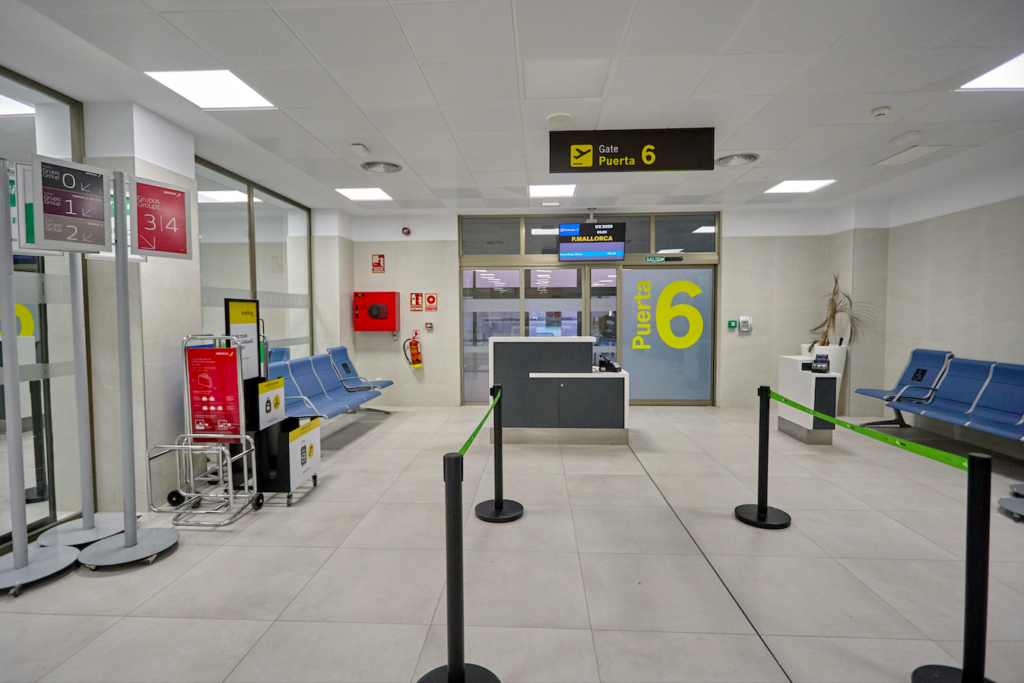
The pressure on the country's aviation network is unlikely to disappear. Photo credit: Daria Zelenska/shutterstock
Every summer, millions of travellers battle packed terminals, rising fares and fewer flight options. Ryanair says the answer could already be sitting on the runway at dozens of Spain’s underused regional airports. But is anyone listening? If you’ve booked a flight recently, you’ve probably noticed it. Summer fares seem to climb higher every year, bargain tickets disappear almost as soon as they go on sale and travelling during peak season has become more expensive for millions of passengers.
Whether you are flying home to visit family, heading away on holiday or welcoming friends and relatives to Spain, the cost and stress of air travel has become an increasingly familiar frustration. Anyone who has passed through airports such as Málaga, Alicante, Palma or Barcelona during July and August knows the scene. Long queues at security, crowded departure lounges and flights leaving almost completely full have become part of the summer travel experience.
But while some of Spain’s biggest airports are struggling under the weight of demand, there is another side to the country’s aviation story.
The airports nobody is using
Away from the busiest tourist hubs, many regional airports are operating with far fewer passengers than they could handle. According to Ryanair, around 70 per cent of capacity at Spain’s regional airports remains unused. The airline’s chief executive, Eddie Wilson, has argued that politicians should push airport operator Aena to make better use of these facilities, claiming they could support more routes, more competition and potentially cheaper flights for passengers.
The comments have reignited a long-running dispute between Ryanair and Aena, but they also raise a wider question that affects millions of residents, expats and tourists. If Spain already has airports with room to grow, why aren’t more travellers using them?
Could smaller airports mean cheaper flights?
For passengers, the biggest concern is simple: price. Ryanair believes expanding services from regional airports could encourage airlines to add more routes and increase competition. Instead of concentrating even more flights through already crowded airports such as Málaga or Alicante, the airline argues that smaller airports could help absorb future growth.
More competition has traditionally been one of the biggest drivers of lower fares, giving passengers more choice and making it harder for airlines to increase prices without losing customers. For residents, the benefits could go beyond cheaper tickets. People living away from Spain’s largest cities often have to travel long distances to catch international flights. More connections from regional airports could make visiting family abroad easier and reduce the need for long journeys before a holiday even begins.
A chance to spread tourism beyond Spain’s hotspots
The debate is also about where visitors go once they arrive. Spain’s most famous destinations, including the Costa del Sol, Costa Blanca, Barcelona and the Balearic Islands, continue to attract millions of tourists every year. But many inland regions and smaller cities have far fewer international connections despite having historic towns, natural landscapes and attractions waiting to be discovered.
More flights into regional airports could help spread tourism more evenly, bringing extra visitors and spending to local hotels, restaurants, shops and businesses. It could also help reduce pressure on destinations already struggling with overcrowding during the busiest months of the year. For tourists, it could mean discovering a different side of Spain. For local communities, it could mean new economic opportunities.
Aena says airlines already have opportunities
Aena has rejected Ryanair’s criticism and says it already provides incentives to encourage airlines to operate from regional airports. The airport operator argues that decisions about routes are ultimately commercial ones, with airlines choosing destinations based on demand and profitability rather than simply airport availability. That leaves both sides of the argument facing the same question: are Spain’s smaller airports genuinely being overlooked, or are they simply not attractive enough for airlines to operate more services?
Could the way we travel around Spain change?
For now, holidaymakers will continue to face the same summer travel challenges. Major airports will remain busy, popular destinations will continue attracting millions of visitors and finding affordable flights during peak season will remain difficult for many passengers. But as Spain’s tourism industry continues to grow, the pressure on the country’s aviation network is unlikely to disappear. Making better use of regional airports could offer a possible solution, creating more options for travellers while supporting communities that are often outside the traditional tourist circuit.
There are no guarantees that Ryanair’s vision will become reality, and expanding regional services would depend on airlines, airport operators and demand from passengers. However, the debate has highlighted a situation that is difficult to ignore. While travellers queue at packed terminals and search for affordable fares, some of Spain’s airports still have space waiting to be filled. The question is whether they will become the next gateway for cheaper flights, new destinations and a more balanced future for Spanish tourism.
Follow Euro Weekly News on Google News
Get breaking news from Spain, travel updates, and expat stories directly on your Google News feed.
Follow on Google NewsSign up for personalised news
Subscribe to our Euro Weekly News alerts to get the latest stories into your inbox!
By signing up, you will create a Euro Weekly News account if you don't already have one. Review our Privacy Policy for more information about our privacy practices.




Molly Grace
Molly is a British journalist and author who has lived in Spain for over 25 years. With a background in animal welfare, equestrian science, and veterinary nursing, she brings curiosity, humour, and a sharp investigative eye to her work. At Euro Weekly News, Molly explores the intersections of nature, culture, and community - drawing on her deep local knowledge and passion for stories that reflect life in Spain from the ground up.
Comments