Spain’s abandoned “ghost airport” finally comes back to life after 14 years
By Molly Grace • Published: 16 Jun 2026 • 23:27 • 3 minutes read
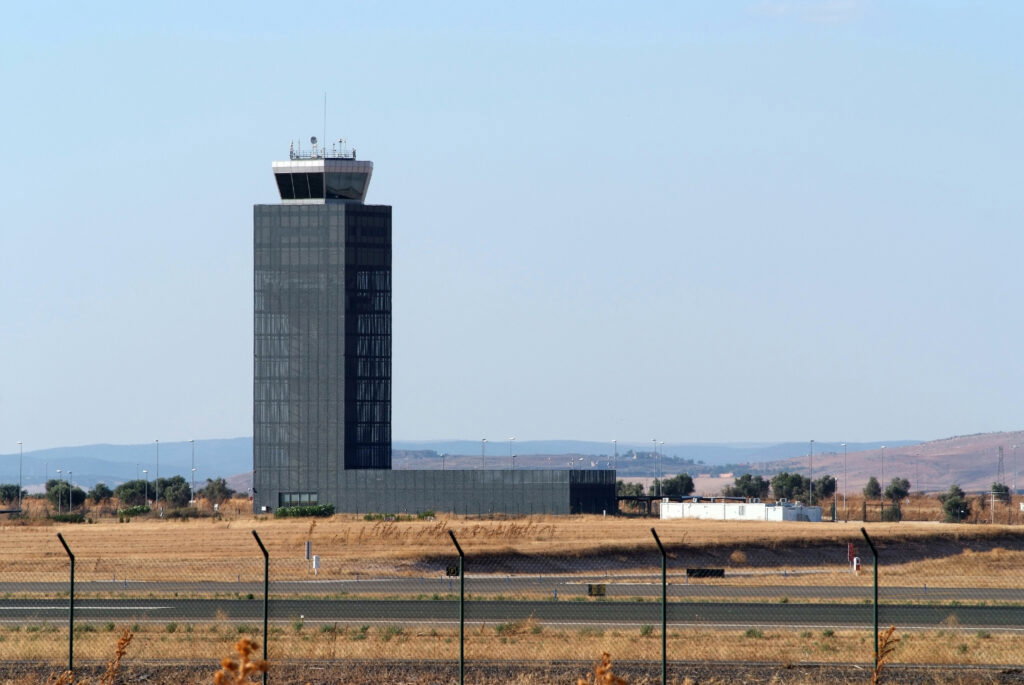
The airport cost more than €1 billion to construct and included a 4,100-metre runway. Photo credit: Julian Maldonado/Shutterstock
Spain’s long-abandoned Ciudad Real International Airport, often dubbed the country’s “ghost airport”, is set to reopen after 14 years of closure following bankruptcy and years of inactivity. Built during Spain’s infrastructure boom, the airport was originally designed as a major aviation hub but collapsed financially just a few years after opening.
Located around 150 kilometres south of Madrid, the airport opened in 2008 with ambitions to relieve pressure on Madrid-Barajas and handle millions of passengers annually. However, it struggled to attract airlines, leading to bankruptcy in 2012 and full closure shortly afterwards.
The site is now preparing for a partial revival under private ownership, focusing on general aviation, private flights and specialist aviation services rather than mass commercial passenger traffic.
A €1 billion infrastructure failure
According to official Spanish aviation records and historical documentation, the airport cost more than €1 billion to construct and included a 4,100-metre runway, making it one of the longest in Europe. It was designed to accommodate large aircraft such as the Airbus A380 and included infrastructure for millions of passengers per year.
Despite its scale, the airport’s remote location and lack of strong airline demand led to its rapid decline. By 2011, major carriers had withdrawn services, and in April 2012 the operating company entered receivership, ending commercial operations.
After closure, the airport became a symbol of Spain’s pre-financial-crisis construction boom and subsequent economic correction. The place was later sold through bankruptcy proceedings and used intermittently for aircraft storage and logistics activity.
What reopening involves
The planned reopening does not mark a return to full commercial airline operations. Instead, the airport will function as a specialist aviation facility focusing on private aircraft, maintenance operations, aircraft storage and aviation-related services.
Industry reports confirm that the runway and core infrastructure remain intact, allowing limited operations without major reconstruction. Management has indicated that activity will centre on business aviation, cargo-related services and aircraft handling rather than scheduled passenger flights.
This positions the airport more as an aviation services hub than a traditional transport gateway.
What it means for residents in Spain
For residents in the Castilla-La Mancha region, the reopening is expected to have limited but notable local economic effects. During its original construction, the airport generated employment in engineering, construction and logistics. Its revival is likely to support a smaller number of skilled aviation jobs, including ground operations, maintenance roles and technical services.
Local businesses may also benefit indirectly from increased activity, particularly hospitality, transport and service sectors linked to visiting crews and aviation staff. However, the absence of commercial passenger flights means it will not generate mass tourism or the same economic impact as Spain’s major airports. Transport infrastructure in the surrounding area is also unlikely to change significantly, as the facility will not operate scheduled passenger routes that would require major connectivity upgrades.
Impact on tourists and aviation traffic
For tourists, the reopening has minimal direct impact. The airport is not expected to handle commercial holiday routes or low-cost airline services, meaning travellers to Spain will continue to use major hubs such as Madrid-Barajas, Alicante, Málaga and Valencia.
However, the site may indirectly affect niche aviation activity. Private charter flights, business aviation and aircraft repositioning services could increase, particularly for high-value tourism and corporate travel.
Aviation analysts note that Spain continues to experience strong demand at major airports, and secondary facilities like Ciudad Real may help ease non-commercial pressure on overused hubs by handling overflow storage and specialist operations.
A symbol of Spain’s boom-and-bust infrastructure era
Ciudad Real Airport remains one of the most widely cited examples of Europe’s pre-2008 infrastructure expansion, when large-scale projects were developed in anticipation of continued rapid growth in air travel.
According to Spanish aviation records, the airport was originally intended to serve millions of passengers annually and act as a secondary gateway to Madrid. However, global financial conditions and airline consolidation after 2008 severely reduced demand for new regional hubs.
The result was one of Spain’s most high-profile airport closures, with operations lasting only a few years before complete shutdown.
A limited but functional revival
While the reopening of Ciudad Real Airport does not represent a return to its original ambitions, it marks a practical reuse of existing infrastructure that had remained largely idle for over a decade.
The facility’s future now depends on its ability to attract stable private aviation demand rather than mass commercial traffic.
For Spain, the development reflects a broader trend of repurposing underused infrastructure built during the pre-crisis expansion period. For residents, it offers modest economic activity. For tourists, it remains largely symbolic, a reminder of one of Europe’s most famous “ghost airports” finally finding a new, more limited purpose.
Follow Euro Weekly News on Google News
Get breaking news from Spain, travel updates, and expat stories directly on your Google News feed.
Follow on Google NewsSign up for personalised news
Subscribe to our Euro Weekly News alerts to get the latest stories into your inbox!
By signing up, you will create a Euro Weekly News account if you don't already have one. Review our Privacy Policy for more information about our privacy practices.





Molly Grace
Molly is a British journalist and author who has lived in Spain for over 25 years. With a background in animal welfare, equestrian science, and veterinary nursing, she brings curiosity, humour, and a sharp investigative eye to her work. At Euro Weekly News, Molly explores the intersections of nature, culture, and community - drawing on her deep local knowledge and passion for stories that reflect life in Spain from the ground up.
Comments