British families’ Spanish dream turns into property nightmare after builders vanish
By Molly Grace • Published: 18 Jul 2026 • 23:18 • 3 minutes read
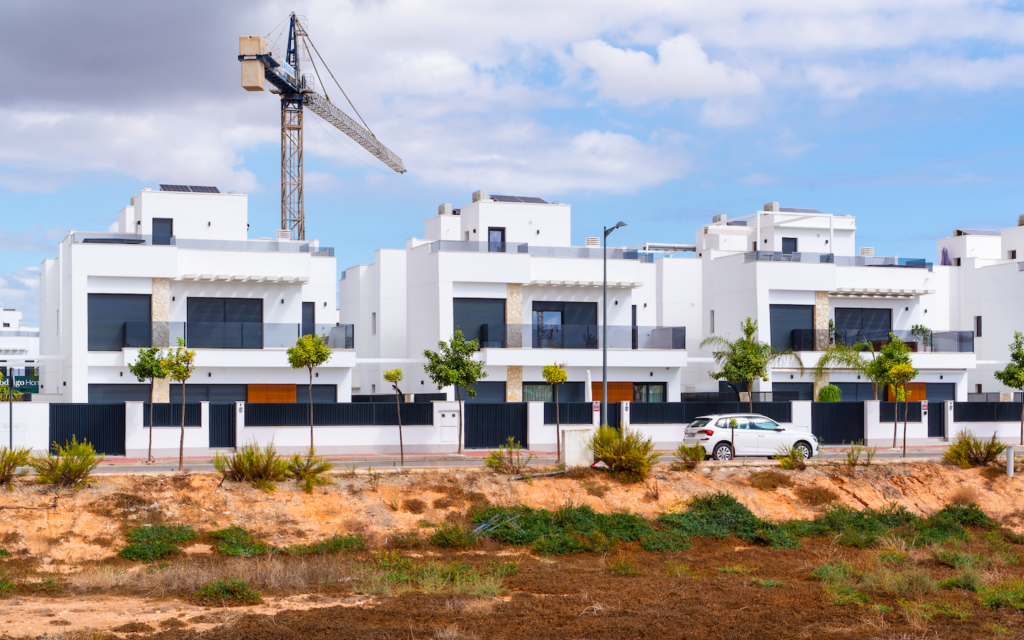
Spain's property market is not the same as it was twenty years ago. Photo credit: Lena Si/SHutterstock
Buying a home in Spain should be the beginning of a new chapter, not the start of a nightmare. But imagine waking up one morning to discover the builders have vanished, the roads are unfinished and the house you’ve poured your life savings into has become the centre of a planning scandal.
That’s the reality still haunting 24 British families who bought into the Residencial La Montaña development in Gea y Truyols, Murcia, believing they were securing their own slice of Spanish paradise. Instead, they found themselves caught in a legal limbo that, for some, has dragged on for years. While much has changed since the country’s construction boom, the case continues to raise uncomfortable questions about trust, accountability and whether foreign buyers can ever be completely sure that everything is as it seems.
The dream that slowly fell apart
Like thousands of Britons before them, the families weren’t chasing a quick investment. They were buying a future. Some planned to retire in Spain, others wanted a holiday home where children and grandchildren could spend summers together, and many invested the savings they had spent decades building. Everything appeared to be in order. Contracts were signed, money changed hands and the homes were marketed as part of a promising new development. There was little reason for buyers to believe anything was wrong.
Then everything stopped, according to residents, construction workers disappeared without warning. Machinery was gone, work came to a standstill and the promised urbanisation simply froze in place. As days turned into weeks and weeks into months, homeowners began to realise they weren’t dealing with an ordinary construction delay. The estate where they had invested their futures had become trapped in a planning nightmare.
When ‘illegal’ doesn’t mean you’ve done anything wrong
For many overseas buyers, hearing the word illegal is enough to send panic levels soaring. But in Spain’s planning history, the term often has very little to do with homeowners breaking the law. Instead, developments can become entangled in administrative failures, incomplete planning obligations or developers failing to meet the conditions required before an urbanisation can be fully legalised and handed over to the local authority.
That distinction offers little comfort to families who believed they had done everything by the book. Many had instructed solicitors, trusted estate agents and assumed that if properties were openly being sold, financed and occupied, the legal side must already have been resolved. Instead, they found themselves living with years of uncertainty through no fault of their own.
A painful reminder of Spain’s property boom
For anyone who remembers Spain’s property boom of the early 2000s, stories like this will sound painfully familiar. Rapid construction transformed huge parts of the country, attracting buyers from across Europe eager to own a home in the sun. But alongside the boom came planning scandals that left thousands of purchasers caught between developers, local authorities and complex legal disputes.
The case of Residencial La Montaña has become one of the enduring examples of those years. According to previous reporting by RTVE, efforts have been made to regularise the development, but administrative processes have proved lengthy and complicated. For many residents, that has meant years of waiting for a resolution they never imagined would be necessary when they first collected their keys.
For some, the financial losses have been significant. For others, the emotional strain of living with uncertainty has proved even harder to bear.
Has Spain learned its lesson?
The good news is that Spain’s property market is not the same as it was twenty years ago. Buying safeguards have improved, planning controls are tighter and independent legal advice is far more common than it once was. Cases like this are far less frequent than during the construction boom.
But they haven’t disappeared from the public consciousness, every time an old planning scandal resurfaces, it revives memories of an era when many overseas buyers believed they were purchasing peace of mind, only to discover they had inherited someone else’s legal problems. It also serves as a reminder that excitement should never replace due diligence, no matter how perfect a property may appear.
Behind every planning scandal is a family
It’s easy to talk about planning permissions, licences and administrative failures. What’s far harder to quantify is the human cost. Behind every headline is a family that believed it was starting a new chapter. People who imagined evenings on the terrace, grandchildren playing in the garden and a retirement earned after decades of work. Instead, many spent years worrying about paperwork they never knew existed, disputes they never created and uncertainty they never expected.
Spain remains one of the world’s favourite destinations for British property buyers, and for good reason. Millions have found exactly the lifestyle they dreamed of. But the story of the 24 British families in Murcia is a powerful reminder that when the dream goes wrong, it doesn’t just cost money. It costs peace of mind, and for some, that’s a price far higher than the house itself.
Follow Euro Weekly News on Google News
Get breaking news from Spain, travel updates, and expat stories directly on your Google News feed.
Follow on Google NewsSign up for personalised news
Subscribe to our Euro Weekly News alerts to get the latest stories into your inbox!
By signing up, you will create a Euro Weekly News account if you don't already have one. Review our Privacy Policy for more information about our privacy practices.



Molly Grace
Molly is a British journalist and author who has lived in Spain for over 25 years. With a background in animal welfare, equestrian science, and veterinary nursing, she brings curiosity, humour, and a sharp investigative eye to her work. At Euro Weekly News, Molly explores the intersections of nature, culture, and community - drawing on her deep local knowledge and passion for stories that reflect life in Spain from the ground up.
Comments