Paris declares war on empty homes: Could Spain be next?
By Molly Grace • Published: 18 Jul 2026 • 23:48 • 3 minutes read
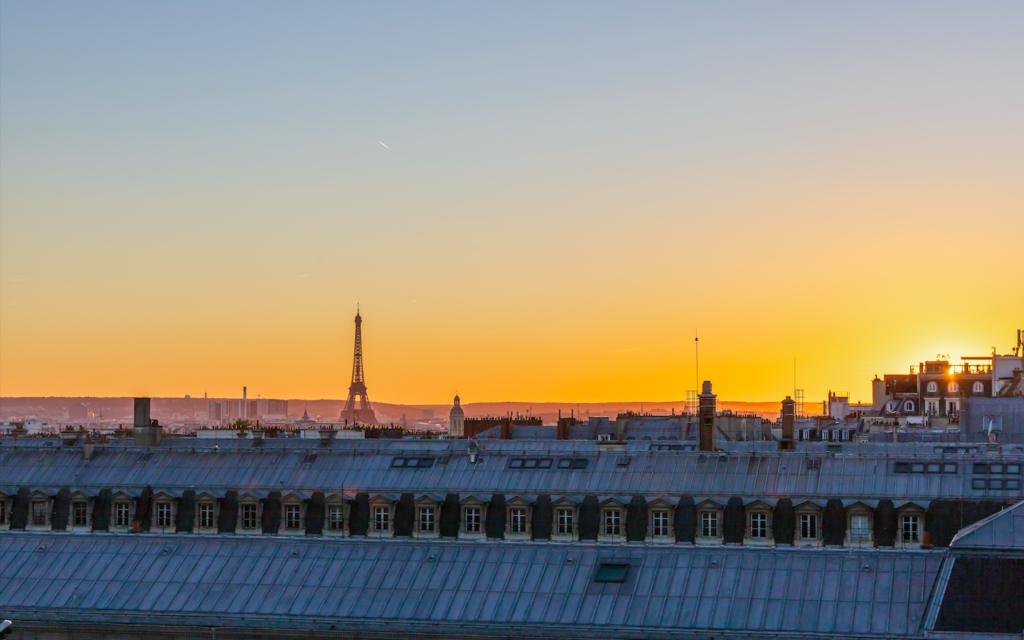
Paris will apply the maximum increase permitted under French law. Photo credit: Caroline Ruda/Shutterstock
Imagine owning a property in one of Europe’s most expensive cities and leaving it empty for years. Now, authorities are sending a clear message: homes are for living in, not sitting unused. The housing crisis gripping Europe’s major cities has pushed governments to consider increasingly bold solutions, and now Paris has taken a controversial step that could send ripples far beyond France.
The French capital has approved a new surcharge on vacant homes in an attempt to bring thousands of unused properties back onto the rental market. The aim is simple: put more homes in the hands of people desperately searching for somewhere to live. But the move has also reignited a much bigger debate facing cities across Europe, including many in Spain: what should happen when thousands of properties sit empty while residents struggle to afford rising rents?
A city running out of space
Paris is one of the most sought-after cities in the world, but behind the postcard image of cafés, landmarks and elegant boulevards lies a growing housing challenge. Demand for homes has continued to outstrip supply, pushing rental prices higher and making it increasingly difficult for many residents to find affordable accommodation. According to the City of Paris, around 20,000 vacant properties could potentially be returned to the housing market through the new measures.
The authorities argue that in a city where thousands of people are competing for limited housing, leaving properties empty for years is contributing to the problem. The new surcharge will target owners of qualifying vacant properties, increasing the financial pressure to either rent them out or put them up for sale.
How will the new tax work?
Under the measure, Paris will apply the maximum increase permitted under French law. Owners of homes considered vacant could face a surcharge equivalent to 30 per cent of the property’s cadastral rental value in the first year, rising to 60 per cent from the second year onwards. However, the rules are not designed to punish every homeowner with an unused property.
Authorities have confirmed that exemptions will apply in certain circumstances, including properties undergoing major renovation, homes affected by inheritance disputes or situations where owners can prove they are genuinely trying to sell or rent the property. The intention is to target long-term empty homes rather than people facing genuine difficulties.
Could Spain take a similar approach?
The announcement will attract attention in Spain, where housing affordability has become one of the country’s biggest political issues. From Madrid and Barcelona to coastal areas popular with foreign buyers, many cities are facing intense pressure from rising rents, limited housing availability and growing demand.
At the same time, thousands of properties remain unused, particularly in areas where owners choose to keep homes empty rather than rent them out. Spanish authorities have already debated ways to encourage owners to make more properties available, including possible measures targeting vacant homes.
Some regions and municipalities have introduced or considered additional charges, while others have focused on incentives rather than penalties. The debate is particularly sensitive in tourist destinations, where concerns over holiday rentals and second homes have intensified as local residents struggle to find affordable long-term accommodation.
A warning for property owners?
Governments are increasingly looking at housing not just as a private asset, but as a resource connected to a city’s social stability. The traditional idea that owners should be able to leave a property empty indefinitely is facing growing scrutiny, especially in areas where demand is extremely high.
Supporters of measures like Paris’s argue that unused homes represent an opportunity to increase supply without building entirely new developments. Critics, however, warn that additional taxes could unfairly penalise property owners and may not solve deeper problems such as a lack of construction, planning delays and high demand.
The battle for Europe’s homes
As cities become more expensive and populations continue to grow, governments across Europe are under pressure to find solutions that balance homeowners’ rights with the need for affordable housing. Paris has chosen a firm approach: make leaving homes empty more expensive in the hope that owners will return them to the market.
Whether other European cities follow remains to be seen.But for millions of people struggling to find somewhere affordable to live, the message from Paris is clear. In the middle of a housing crisis, an empty home is no longer just an empty home. It has become part of a much bigger debate about who gets to live in Europe’s most desirable cities, and who is being priced out.
Follow Euro Weekly News on Google News
Get breaking news from Spain, travel updates, and expat stories directly on your Google News feed.
Follow on Google NewsSign up for personalised news
Subscribe to our Euro Weekly News alerts to get the latest stories into your inbox!
By signing up, you will create a Euro Weekly News account if you don't already have one. Review our Privacy Policy for more information about our privacy practices.




Molly Grace
Molly is a British journalist and author who has lived in Spain for over 25 years. With a background in animal welfare, equestrian science, and veterinary nursing, she brings curiosity, humour, and a sharp investigative eye to her work. At Euro Weekly News, Molly explores the intersections of nature, culture, and community - drawing on her deep local knowledge and passion for stories that reflect life in Spain from the ground up.
Comments